


Woven Metal The History of Chainmail
Woven Metal: The History of Chainmail
When you think of chainmail, what comes to mind? Perhaps a medieval knight clad in shining armor, standing tall with a sword and shield, or maybe a modern-day collector with an eye for intricate historical replicas. No matter the context, one thing is clear: chainmail is woven metal that has been trusted for centuries for protection, durability, and versatility.
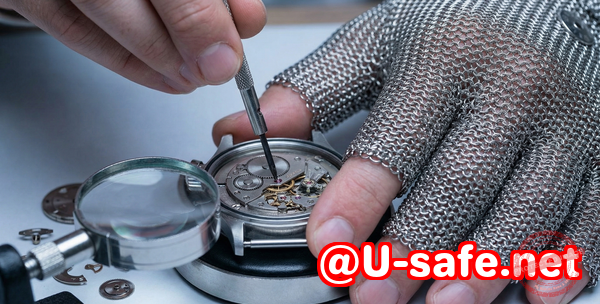
But how do you know you’re getting the highest quality chainmail for your needswhether it’s for industrial cut protection, a cosplay event, or even a historical display piece? It can be tricky to distinguish between genuine, high-quality chainmail and low-quality imitations that might not meet safety standards or could fall apart after minimal use.
As someone who’s purchased and inspected countless chainmail pieces over the years, I can tell you that the key to a wise investment lies in knowing how to evaluate the material, craftsmanship, and durability. In this post, we’ll break down everything you need to know to identify high-quality chainmail and avoid the common pitfalls many buyers face.
Common Chainmail Pitfalls and How to Avoid Them
When evaluating chainmail, whether for personal use, industrial applications, or collectibles, there are a few common pain points that many buyers struggle with. Let’s walk through these issues and see how you can easily avoid them:
1. Welded Rings vs. Open Rings: The First Red Flag
A common mistake I’ve seen time and again is the confusion between welded and open rings. Simply put, welded rings are far superior when it comes to strength and durability. Open rings can break, pull apart, or wear down over time, especially under heavy stress. When you’re buying chainmail for industrial purposes, safety is non-negotiableso don’t be fooled by the appearance of a cheap imitation that might look good at first but fail in critical situations.
How to inspect: Gently press or twist a ring. If the ends are visible or easily pulled apart, it’s likely an open ring. On the other hand, a welded ring will have no visible seams and will feel solid and unyielding.
2. Stainless Steel Grades: Not All Steel Is Created Equal
You may be wondering: “Why should I care about the grade of stainless steel used in my chainmail?” It’s simple. The right grade can make all the difference in the durability and corrosion resistance of the material, especially if you’re using it in industrial settings or in environments with high moisture (like food processing).
The two main grades you’ll encounter are 304 and 316 stainless steel. 304 is common and works well for general purposes, but if you need something that can stand up to extreme conditionsespecially saltwater or acidic environments316 stainless steel is the better choice. It’s more resistant to corrosion, ensuring your chainmail remains functional and strong over time.
How to inspect: When in doubt, always ask the manufacturer for specific details about the material grade. You can also check if they provide any certifications or testing data. If you’re using it for industrial or food-grade purposes, 316 stainless steel is the safest bet.
3. Inconsistent or Weak Weaves: The Achilles’ Heel of Chainmail
Imagine you’ve just bought a new piece of chainmail, excited for your next project, only to find that after a few uses, the rings start to come apart, or the weave seems weaker than expected. This usually points to inconsistent weavesone of the most frustrating issues for chainmail buyers.
How to inspect: A well-made piece of chainmail will have an even, tight weave, with no loose or frayed rings. A common weave pattern you’ll encounter is European 4-in-1, where each ring is connected to four others in a square pattern. This is a strong, durable weave, ideal for most uses, whether industrial or decorative.
To check the quality of the weave, gently pull the rings apart in a small section and see if any of them separate easily. If they do, that’s a sign of poor craftsmanship.
The Aegimesh Chainmail Inspection Guide: Your Key to Quality
If you’re unsure about how to properly assess chainmail for your specific needs, that’s where the Aegimesh Chainmail Inspection Guide comes in. This helpful tool walks you through each step of the inspection process, offering clear, actionable tips on how to evaluate everything from material to weave. Whether you’re purchasing chainmail for historical reenactments, food processing, or industrial safety, Aegimesh helps you make an informed decision.
Step-by-Step Guide to Evaluating Chainmail:
-
Material Check:
-
304 stainless steel: Fine for general applications but will rust in harsh conditions.
-
316 stainless steel: Excellent for industrial or marine environments where resistance to corrosion is crucial.
-
-
Inspecting the Rings:
-
Check for welded rings (a solid connection with no visible seam).
-
Ensure wire thickness is consistent throughout, as thinner wire can compromise strength.
-
-
Weave Quality:
-
Look for tight, even weaves like the European 4-in-1 pattern.
-
Check for no gaps between rings.
-
-
Ring Size & Fit:
-
Ensure the inner diameter of the rings is consistent and fits well together in the weave. A mismatch can weaken the structure.
-
-
Perform a Simple Pull Test:
-
Grab a section of the chainmail and gently pull on it. A high-quality chainmail will not stretch or tear easily under mild force.
-
Why These Inspections Matter:
-
Safety: Ensuring that your chainmail is made with durable, corrosion-resistant materials is essential, especially for industrial and food-processing applications. Poor-quality chainmail can break or fail under pressure, leading to safety hazards.
-
Durability: The right weave, ring material, and wire thickness all contribute to the longevity of your chainmail. By checking these factors, you avoid wasting money on items that won’t last.
-
Cost-Effectiveness: High-quality chainmail may have a higher upfront cost, but it will save you money in the long run by not needing to be replaced frequently or repaired.
Conclusion: Investing in Quality Chainmail
After learning the ins and outs of chainmail inspection, I can confidently say that following these steps will save you from costly mistakes. Whether you’re buying chainmail for safety gear, cosplay, or a collectible piece, it’s crucial to prioritize quality. Aegimesh offers excellent tools and guides to help you navigate these buying decisions, ensuring that your purchase meets the highest standards of safety and durability.
I highly recommend checking out our detailed chainmail inspection guide today at Aegimesh. You’ll be able to make informed decisions that protect your investment and ensure you’re always using chainmail that’s up to the task.
Frequently Asked Questions (FAQ)
1. How can I tell if a chainmail ring is welded or open?
To determine if a ring is welded, look for a smooth, seamless connection. If you can see the ends of the ring and they appear to be simply twisted or linked, it’s an open ring. Welded rings will have no visible seam and will be stronger.
2. Which stainless steel grade is best for long-lasting chainmail?
For industrial and harsh environments, 316 stainless steel is the best choice due to its higher resistance to corrosion. For general purposes, 304 stainless steel is sufficient but may rust over time in extreme conditions.
3. How do I inspect the weave pattern for strength?
Look for tight, even weaves. The European 4-in-1 pattern is commonly used and provides excellent strength. Check for any gaps or irregularities that could compromise the chainmail’s durability.
4. What are the signs of low-quality or unsafe chainmail?
Signs include loose rings, inconsistent weaves, visible seams in welded rings, and thin wire that can easily bend or break. Low-quality chainmail will often feel flimsy and unsecure.
5. Can decorative chainmail be used for protective purposes?
Decorative chainmail can look stunning, but it may not provide the same level of protection as chainmail designed for industrial or safety use. Always verify that it meets the appropriate standards for your intended use.
6. How do I choose the right chainmail for industrial vs. cosplay use?
For industrial use, prioritize 316 stainless steel, welded rings, and a strong weave pattern like European 4-in-1. For cosplay, the focus is often on appearance, so you can use 304 stainless steel or even aluminum, depending on your budget and weight preferences.
Learn More About Chainmail Quality
For more tips and a comprehensive guide on inspecting chainmail, make sure to check out the Aegimesh Chainmail Inspection Guide here. Whether you’re protecting yourself on the job or adding to your collection, making sure you buy quality chainmail is an investment that will pay off.





 Русский
  Deutsch
  العربية