


The Sound and Movement of Chainmail in Combat
The Sound and Movement of Chainmail in Combat
When it comes to protecting yourself in combat or even just in your daily work routine, chainmail has been a tried and tested solution for centuries. However, whether you’re looking to buy chainmail for its historic value, cosplay, or industrial use, it’s crucial to understand what makes a high-quality piece. It’s not as simple as picking any chainmail; some are made for decoration, others for actual protection. The difference lies in the material, the craftsmanship, and the weave. But how can you tell the difference? That’s where knowing how to evaluate chainmail comes in.
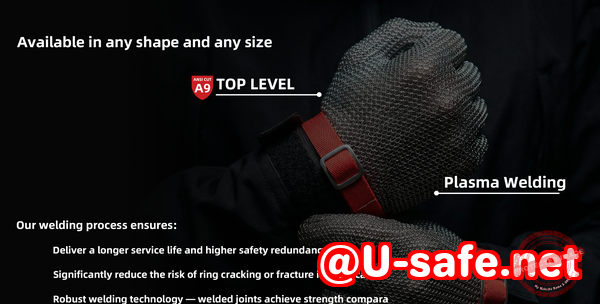
In this guide, I’ll walk you through how to recognize quality chainmail products so you can make an informed purchase, whether you’re a collector, a cosplayer, or someone who needs it for industrial use.
Common Chainmail Concerns
When I first started researching chainmail, I quickly realized that not all chainmail is created equal. There are some products out there that may look good on the surface but don’t offer the durability, protection, or aesthetic appeal you’d expect. That’s when I knew I needed to dig deeper into the world of chainmail inspection.
It all boils down to three major pain points:
-
How can you tell if the rings are welded or open?
-
Open rings might seem sturdy, but over time they can loosen, leading to breakage. Welded rings are far more reliable.
-
-
What about the stainless steel grade?
-
You might think all stainless steel is the same, but there are different grades that offer varying levels of durability and corrosion resistance. 304 and 316 stainless steel are the two most common options, and the right one can make a huge difference depending on the intended use.
-
-
How do you know if the weave is strong enough for industrial use or even cosplay?
-
A weak weave can result in the chainmail being less durable or more prone to snagging, which isn’t ideal in any scenario.
-
Solution: A Guide to Evaluating Chainmail Quality
At Aegimesh, we’ve developed an easy-to-follow guide to help you identify top-quality chainmail products. Whether you’re buying it for safety purposes in food processing, industrial work, cosplay, or simply as a historical piece, you can follow these steps to ensure you’re making the right choice.
1. Check the Material
The material of the chainmail is arguably the most important factor in its overall quality. When shopping for chainmail, you’ll often come across two types of stainless steel: 304 and 316.
-
304 Stainless Steel is the most common and generally the least expensive. It offers decent resistance to corrosion and is suitable for non-industrial uses like decorative pieces, cosplay, and historical replicas.
-
316 Stainless Steel is more resistant to corrosion and is better suited for industrial use or food handling, where hygiene and durability are essential.
You can easily tell the difference by inspecting the ring thickness and the shine of the steel. 316 steel tends to have a more polished look and is more resistant to rust, even in harsher environments.
2. Inspect the Ring Welding
Chainmail rings come in two varieties: welded and open. While open rings may be cheaper, they lack the durability that welded rings offer. In welded rings, the two ends of each ring are fused together with high heat, creating a seamless, strong connection. Open rings are simply looped together, which can be much weaker over time.
To check the welding, look closely at each ring. You should see a visible seam where the ends are welded together. A smooth, seamless connection indicates high-quality craftsmanship. If there’s any visible gap or unevenness, it’s a sign of lower-quality chainmail.
3. Evaluate Wire Thickness and Inner Diameter
Wire thickness and ring diameter play a huge role in the strength and flexibility of the chainmail. A thicker wire generally means a stronger piece of chainmail. However, it’s important to find a balance between wire thickness and flexibility.
-
Wire Thickness: For industrial chainmail, you want thicker wires, as they’ll provide more protection from cuts and abrasion. For decorative purposes or cosplay, thinner wire can be used to achieve a more lightweight, flexible result.
-
Inner Diameter: The diameter of each ring should be consistent and appropriate for the weave pattern. If the rings are too large, they may not fit tightly enough, reducing the overall strength. Conversely, rings that are too small could compromise mobility, especially in armor for cosplay or historical reenactment.
4. Inspect the Weave Pattern
The weave pattern affects not only the aesthetic of your chainmail but also its functionality. The most common weave pattern is European 4-in-1, where each ring is interwoven with four other rings, creating a solid and flexible structure.
-
European 4-in-1 is considered one of the most durable weaves and works well for both industrial and decorative purposes.
-
Other Weaves: If you’re looking for something specific, like a more flexible design or lighter weight for cosplay, there are other weaves you can consider, such as 8-in-1 or 6-in-1, but these may not offer the same level of durability for industrial use.
It’s easy to spot the difference in weaves just by examining how tightly the rings are woven. A good weave will have rings that are securely interlocked, with no visible gaps.
Benefits of Proper Chainmail Inspection
When you follow these inspection methods, you’re doing more than just ensuring that your chainmail looks good. You’re also guaranteeing that it’s durable, safe, and suitable for its intended use. Here’s why proper inspection matters:
-
Safety: In industrial or food-handling environments, the last thing you want is to rely on low-quality chainmail. Poor welds or corrosion resistance can lead to safety hazards, such as cuts or contamination.
-
Longevity: High-quality chainmail will last for years, even with heavy use. Inferior products, on the other hand, might break down after just a few uses, costing you money in the long run.
-
Cost Savings: By knowing how to spot a low-quality product before you purchase it, you avoid spending money on items that won’t serve their purpose. You’ll also be able to identify products that offer great value for the price.
Practical Tips for Chainmail Inspection
Here’s a quick checklist for performing a simple inspection on any chainmail product:
-
Pull Test: Gently pull at a few rings to see if they’re firmly secured. If any rings pop open, that’s a red flag.
-
Corrosion Check: Look for any signs of rust or discoloration, especially if the chainmail is intended for industrial use.
-
Craftsmanship: Check for evenness in the weave. A well-crafted piece of chainmail should have uniform ring sizes and tight, neat interlocking rings.
-
Intended Use: Choose the right chainmail for the job. If you’re looking for protection against cuts in an industrial setting, go for thicker, welded rings with a tight weave. For cosplay or historical purposes, lighter, more flexible options may suffice.
Conclusion: Your Chainmail, Your Protection
Chainmail is more than just a medieval relicit’s a functional, durable material used across various industries today. Whether you’re a buyer, collector, cosplayer, or industrial worker, following these inspection steps will help you identify high-quality chainmail that meets safety standards and provides long-lasting durability.
I highly recommend following these steps to ensure any chainmail purchase meets your needs. You can avoid low-quality or unsafe products and feel confident in your purchase.
Learn more about identifying high-quality chainmail products: https://www.aegimesh.com/
Check out our detailed chainmail inspection guide today.
FAQs
-
How can I tell if a chainmail ring is welded or open?
-
Look for a visible seam where the ends meet. Welded rings will have a smooth, uniform connection, while open rings may have a visible gap.
-
-
Which stainless steel grade is best for long-lasting chainmail?
-
For durability and corrosion resistance, 316 stainless steel is the best choice, especially for industrial or food processing use.
-
-
How do I inspect the weave pattern for strength?
-
Check for a tight, consistent weave. European 4-in-1 is the most durable, with each ring interwoven securely with four others.
-
-
What are the signs of low-quality or unsafe chainmail?
-
Look for gaps in the rings, visible corrosion, or uneven weaving. These can all indicate poor craftsmanship or unsuitable materials.
-
-
Can decorative chainmail be used for protective purposes?
-
While decorative chainmail can look great, it may not provide adequate protection. For safety, always choose welded rings and appropriate weave patterns.
-
-
How do I choose the right chainmail for industrial vs cosplay use?
-
For industrial use, choose thicker, welded rings made from high-grade stainless steel. For cosplay, you can opt for lighter materials, as flexibility is more important than strength.
-
Tags or Keywords:
-
chainmail quality, welded rings, stainless steel chainmail, cut-resistant chainmail, chainmail inspection, European 4-in-1 weave





 Русский
  Deutsch
  العربية