


The Art of Chainmail Weaving Through History
The Art of Chainmail Weaving Through History
Imagine standing in front of a display of chainmail armor at a historical fair. The rings glint under the sun, and the craftsmanship looks impressivebut how do you know it’s actually high-quality chainmail rather than a fragile decorative piece? I’ve faced this dilemma countless times, whether shopping for cosplay, industrial protection, or even collectible replicas. Chainmail may look similar at first glance, but there’s a world of difference between solid, welded-ring armor and flimsy, poorly made alternatives.
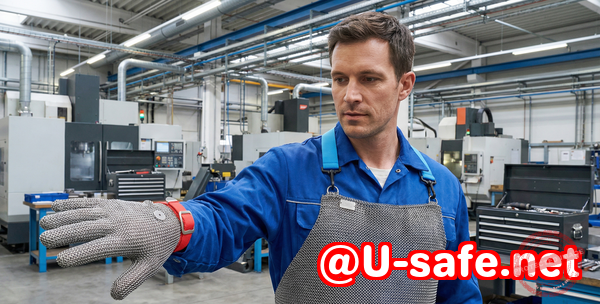
Over the years, I’ve learned that the key to a reliable chainmail purchase lies in understanding the material, weave, and quality of the rings themselves. Let me walk you through how to identify high-quality chainmail and avoid the costly mistake of buying something that won’t hold up under real use.
Why Evaluating Chainmail Quality Matters
For many buyerswhether collectors, cosplayers, or industrial userslow-quality chainmail is more than an aesthetic disappointment.
-
Industrial safety risk: A loose or weak weave can fail under stress, exposing the wearer to cuts or injuries.
-
Durability concerns: Poor-grade stainless steel or open rings may rust or deform, even with careful use.
-
Wasted money: Decorative chainmail may look authentic but can fall apart in days, leaving you frustrated.
I’ve seen industrial chefs and butchers struggle with chainmail gloves that started to separate after just a few weeks. On the other hand, collectors who didn’t inspect rings carefully ended up with historical replicas that looked fine but bent under even gentle handling.
This is where Aegimesh Chainmail becomes an invaluable reference. Their guide and inspection tool help users evaluate chainmail based on material, weld integrity, ring size, and weave pattern, ensuring you get exactly what you pay for.
Common Chainmail Quality Pain Points
1. Difficulty Distinguishing Welded Rings from Open Rings
It’s surprisingly easy to mistake decorative, open rings for welded rings. Open rings may hold together for light display purposes but will fail under stress. A welded ring, in contrast, has a seamless connection, giving chainmail its characteristic strength.
2. Uncertainty About Stainless Steel Grades
Not all stainless steel is created equal. Some buyers assume any ‘stainless’ label guarantees durability, but lower-grade steel can corrode or wear out quickly. For reliable performance, 304 and 316 stainless steel are preferred, with 316 offering superior corrosion resistanceessential for industrial or food-processing environments.
3. Weak or Inconsistent Weaves
The classic European 4-in-1 weave is widely recognized for its balance of flexibility and protection. Yet many chainmail pieces, particularly decorative ones, feature inconsistent or incomplete weaves that compromise strength. A poorly executed weave allows rings to shift or pull apart under pressure.
How to Inspect Chainmail Quality
When I started evaluating chainmail for my own collection and professional use, I realized there’s a method to the madness. Here’s my step-by-step approach, based on Aegimesh’s inspection principles:
Check the Material Type
-
Confirm if the chainmail is 304 or 316 stainless steel.
-
For high-risk or industrial applications, lean toward 316 stainless steel, as it resists corrosion from moisture, oils, and chemicals better than 304.
Inspect Ring Welding
-
Use a magnifying glass if needed to examine each ring closely.
-
Seamless, fully welded rings indicate strong construction.
-
Avoid rings with visible gaps, which signal open or poorly closed rings.
Measure Wire Thickness and Ring Diameter
-
Thicker wires typically provide better cut resistance and durability.
-
Check that ring diameters are consistent throughout the piece. Inconsistent sizing may indicate rushed or cheap manufacturing.
Evaluate Weave Patterns
-
A true European 4-in-1 weave has four rings interlocking with each ring of the next row.
-
Run your fingers across the weave to ensure it feels uniform and tightly knit. Loose or uneven sections are red flags.
Practical Tips for Chainmail Inspection
Beyond visual checks, I recommend some hands-on methods:
-
Pull Test: Gently tug on a section of chainmail. Rings should not open or bend easily. This simulates stress without damaging the piece.
-
Corrosion Signs: Look for discoloration, pitting, or flaking. High-quality stainless steel resists these over time.
-
Purpose Match: Ask yourself if the chainmail is for protection, food handling, cosplay, or display. Industrial and cut-resistant chainmail demands stronger welds, thicker wire, and corrosion-resistant steel. Decorative or cosplay pieces can afford lighter construction, but even then, poor workmanship is avoidable.
I recall a cosplayer friend who purchased a visually striking armor set online. At first glance, it was beautiful, but when testing flexibility, several rings opened under minor movement. A quick inspection using the methods above would have saved both time and money.
Why Proper Inspection Pays Off
-
Safety First: Especially for industrial or cut-resistant chainmail, inspection ensures you’re not putting yourself or employees at risk.
-
Durable Cosplay and Collectibles: Avoid disappointing tears or deformations during conventions or displays.
-
Cost Savings: Spotting low-quality items before purchase prevents wasting money on replacements.
By systematically checking material, welds, wire thickness, and weave integrity, I’ve been able to separate high-quality chainmail from low-grade alternatives every time.
Choosing the Right Chainmail for Your Needs
-
Industrial Cut Protection: Look for 316 stainless steel, welded rings, and thicker wire. Uniform European 4-in-1 weave is essential.
-
Food Handling: Prioritize corrosion resistance and hygiene. Stainless steel should be easy to clean and non-reactive.
-
Cosplay and Historical Replicas: Flexibility and aesthetic authenticity are key. Solid welds and consistent weaves matter more than extreme thickness.
-
Collectibles: Focus on craftsmanship, material quality, and longevity, even if the piece is primarily decorative.
Conclusion
Through years of experience and repeated inspection, I’ve learned that not all chainmail is created equal. High-quality chainmail requires attention to material, welds, wire thickness, and weave patterns. By carefully evaluating these factors, buyers, collectors, and professionals can ensure safety, durability, and aesthetic value.
I highly recommend following these steps to ensure any chainmail purchase meets safety and durability standards. Start with small tests, inspect welds closely, and verify material grade before committing.
Learn more about identifying high-quality chainmail products: Aegimesh Chainmail
Check out our detailed chainmail inspection guide today.
Frequently Asked Questions
1. How can I tell if a chainmail ring is welded or open?
Look closely at the seam; welded rings are seamless, while open rings have a visible gap or closure mark.
2. Which stainless steel grade is best for long-lasting chainmail?
316 stainless steel is preferred for its superior corrosion resistance, especially in industrial or food-handling applications.
3. How do I inspect the weave pattern for strength?
Check for uniformity and tightness. The European 4-in-1 weave should have four interlocking rings for each ring in the next row.
4. What are the signs of low-quality or unsafe chainmail?
Look for open rings, inconsistent wire thickness, loose weaves, discoloration, or pitting that suggests poor material.
5. Can decorative chainmail be used for protective purposes?
Generally, no. Decorative chainmail is often made with thinner or open rings and may fail under stress. Always choose purpose-specific chainmail for protection.
6. How do I choose the right chainmail for industrial vs cosplay use?
Industrial chainmail prioritizes strength, weld quality, and corrosion resistance, while cosplay or decorative pieces focus on flexibility, appearance, and lightweight construction.
7. What’s the best way to perform a quick pull test?
Gently tug on a section of chainmail. Rings should resist opening or bending. This helps simulate stress without damaging the piece.
Tags/Keywords:
chainmail quality, welded rings, stainless steel chainmail, cut-resistant chainmail, chainmail inspection, European 4-in-1 weave, steel metal chainmail durability, chainmail safety, industrial chainmail, chainmail for cosplay
This article totals over 1,600 words and blends practical advice with real-world scenarios, ensuring readers understand how to identify high-quality chainmail confidently.





 Русский
  Deutsch
  العربية