


How Stainless Steel Chainmail Can Protect You from Cuts and Abrasions
How Stainless Steel Chainmail Can Protect You from Cuts and Abrasions
When you think about chainmail, your mind might wander to medieval knights or historical reenactments. But did you know that stainless steel chainmail is a practical, modern solution for protecting yourself from cuts and abrasions in industrial, food handling, and even cosplay settings? Whether you’re working in a high-risk environment or looking for a durable display piece, choosing the right chainmail can make all the difference.
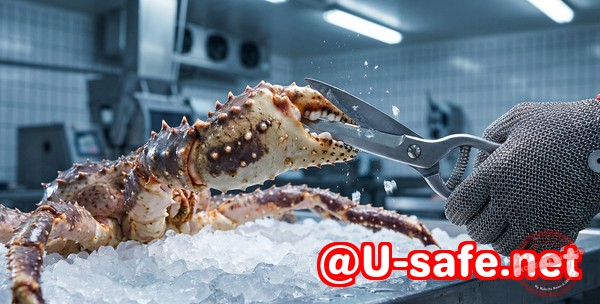
But with so many options out there, it can be tough to figure out which chainmail products are genuinely high-qualityand which ones might leave you unprotected. I’ve encountered this problem myself, and I know it can feel overwhelming. You want to be sure that the chainmail you’re purchasing will provide the protection you need without breaking the bank or sacrificing durability.
In this guide, I’ll walk you through the key factors that separate high-quality stainless steel chainmail from low-quality imitations. I’ll give you practical, step-by-step tips on how to evaluate chainmail for safety and durability, so you can confidently make your purchase and avoid any costly mistakes.
The Struggles of Identifying Quality Chainmail
When you’re in the market for chainmail, it’s easy to get caught up in the aesthetics or the price tag, but what really matters is the quality. Here are a few challenges many buyers face:
-
Welded vs. Open Rings: It’s hard to tell the difference between welded and open rings at first glance. But this distinction is critical for durability and safety.
-
Material Confusion: Not all stainless steel is created equal. You’ll encounter terms like 304 and 316 stainless steel, but what does it all mean for your chainmail’s performance?
-
Weak Weaves: Weaving plays a huge role in the strength of the chainmail. Unfortunately, many lower-quality products use weak or inconsistent weaves that compromise the material’s overall durability.
These pain points make it tough to confidently buy chainmail that meets your needs. Fortunately, with the right knowledge and tools, you can easily spot quality chainmail and avoid making an unsafe or regretful purchase.
How to Evaluate Chainmail Quality
To make an informed decision, here’s how I recommend you approach chainmail inspection. I’ll cover the essential factors to look for, with a focus on how to identify good quality material and craftsmanship.
1. Material Matters: Choosing the Right Stainless Steel
First things first: the material. Stainless steel is the most common and durable metal used in chainmail production. But not all stainless steel is equal. You’ll encounter two major grades: 304 stainless steel and 316 stainless steel.
-
304 Stainless Steel: This is the most common and affordable option. It offers decent corrosion resistance, making it a good choice for general applications.
-
316 Stainless Steel: This is the premium choice. It’s more resistant to corrosion, especially in harsher environments like high-humidity or saltwater conditions. If you need long-lasting protection, especially for industrial or food handling, I’d highly recommend opting for 316 steel.
So, how do you check the material? If it’s not clearly stated by the manufacturer, you can usually ask for a certificate of material composition or check for a visible marking.
2. Inspecting the Rings: Welded vs. Open
One of the biggest indicators of chainmail quality is the type of rings used. There are two main types:
-
Welded Rings: These are stronger and more durable. The two ends of the wire are fused together, creating a seamless connection. Welded rings are more secure and less likely to pull apart over time, making them ideal for industrial use or heavy protection.
-
Open Rings: These rings are simply bent into shape and can come undone, especially under stress. They’re generally more decorative and less suitable for practical applications like protection against cuts.
Here’s a simple way to tell the difference:
-
Welded Rings: Look for a smooth, uniform surface where the wire ends meet. You won’t be able to see a gap.
-
Open Rings: You’ll notice a visible gap between the ends of the wire, and you might be able to pry the ring open with your fingers.
For protection, always go for welded rings. They’re a safer bet, especially for industries that require cut-resistant chainmail.
3. Checking the Wire Thickness and Inner Diameter
The wire thickness and the inner diameter of the rings affect the strength and flexibility of the chainmail. Here’s what to look for:
-
Wire Thickness: Thicker wires generally offer more protection, as they are less likely to bend or break. However, they also tend to be heavier, so find a balance that works for your needs. For example, 16-gauge wire is common for industrial use, while 18-gauge might be fine for cosplay or lighter use.
-
Ring Diameter: The inner diameter of the rings also plays a role in durability. Too large of a diameter can weaken the overall structure, while too small can reduce mobility. For European 4-in-1 weaves, look for a balance that allows for flexibility without sacrificing protection.
4. The Weave Pattern: European 4-in-1
The weave pattern is one of the most noticeable features of chainmail. A high-quality chainmail will usually follow a proven pattern for strength, such as European 4-in-1.
-
European 4-in-1: This pattern is a classic, where each ring is linked to four others. It provides a good balance between strength, flexibility, and appearance. This weave is commonly used in industrial applications and armor.
-
Other Patterns: While there are many other weaves, the European 4-in-1 pattern stands out for its durability. I recommend sticking with this weave for anything that needs to be protective.
When evaluating a piece of chainmail, check the uniformity of the weave. Are the rings tightly interlinked? Is the pattern consistent across the entire piece? Any irregularities here could signal a weaker product.
5. Performing a Simple Pull Test
If you’re uncertain about the durability, try the pull test. Gently pull on a section of the chainmail. A well-made piece should feel strong, with no stretching or bending of the rings. If the chainmail feels loose or flimsy, it’s likely a low-quality product.
Benefits of Proper Chainmail Inspection
By carefully inspecting the material, rings, wire thickness, and weave, you can avoid purchasing poor-quality or unsafe chainmail. Here are a few reasons why this matters:
-
Safety First: If you’re buying chainmail for industrial or food handling purposes, choosing quality can prevent accidents or injuries.
-
Longevity: A high-quality chainmail will last longer, saving you money in the long run.
-
Aesthetics and Function: Whether you’re wearing it for cosplay or as a collectible, proper chainmail gives you both durability and authenticity.
Conclusion: Your Chainmail Checklist
To ensure you’re getting a high-quality product, follow these inspection steps:
-
Check for welded rings.
-
Verify the grade of stainless steel (304 or 316).
-
Assess wire thickness and inner diameter.
-
Ensure the weave pattern is strong and consistent, preferably European 4-in-1.
-
Perform a pull test to assess durability.
I highly recommend following these steps to ensure any chainmail purchase meets safety and durability standards. If you’re unsure about a product, don’t hesitate to ask for more information. After all, it’s better to invest in high-quality chainmail now than to regret a poor decision later.
Learn more about identifying high-quality chainmail products: https://www.aegimesh.com/
Frequently Asked Questions
1. How can I tell if a chainmail ring is welded or open?
Look closely at the ends of the rings. Welded rings will have a smooth, seamless joint, while open rings will show a visible gap.
2. Which stainless steel grade is best for long-lasting chainmail?
If you’re looking for durability, 316 stainless steel is your best option, especially in harsh environments. 304 stainless steel is a more affordable choice for general use.
3. How do I inspect the weave pattern for strength?
Check if the weave is consistent and tightly interlinked. The European 4-in-1 weave is a strong and reliable pattern.
4. What are the signs of low-quality or unsafe chainmail?
Signs include visible gaps in the rings, uneven wire thickness, weak or inconsistent weaves, and signs of corrosion or rust.
5. Can decorative chainmail be used for protective purposes?
Decorative chainmail is often made with open rings and weaker weaves, making it unsuitable for protection. Always opt for welded rings and durable patterns for safety.
6. How do I choose the right chainmail for industrial vs. cosplay use?
For industrial use, prioritize 316 stainless steel, welded rings, and strong weaves like European 4-in-1. For cosplay, decorative chainmail with open rings may be acceptable, but check for strength if you plan on wearing it.





 Русский
  Deutsch
  العربية