


How EN 1082 Helps Companies Meet Safety Regulations for Chainmail
How EN 1082 Helps Companies Meet Safety Regulations for Chainmail
When it comes to purchasing chainmail for either protection or display, many buyers find themselves in a tough spot. They know the importance of safety, durability, and quality but often struggle to identify genuine, high-quality chainmail from low-cost imitations. Whether you’re shopping for industrial protection, food handling, cosplay, or historical replicas, the decision can feel overwhelming. How can you be sure that the chainmail you are considering meets the necessary standards and won’t fail you when you need it most?
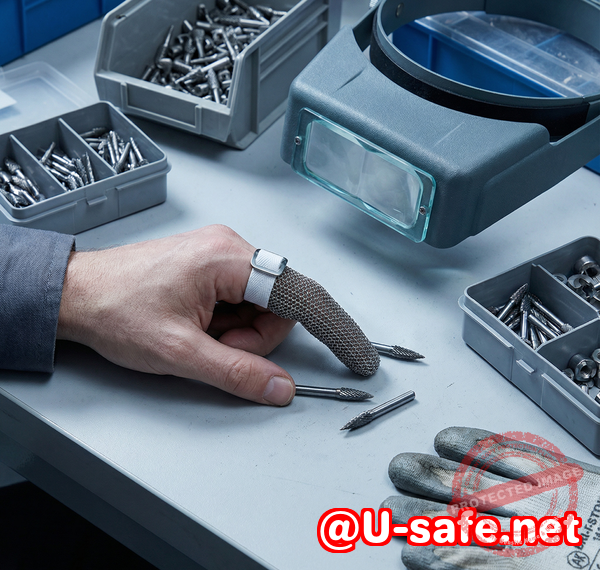
That’s where EN 1082 comes into playa key safety standard for chainmail products that provides both manufacturers and buyers with guidelines to ensure top-notch protection. In this article, we’ll dive into how EN 1082 helps companies meet safety regulations, how to evaluate the quality of chainmail, and what to look for when making a purchase to ensure you’re getting a product that truly performs.
What is EN 1082?
EN 1082 is a set of safety standards developed to ensure the quality and performance of chainmail products. It is widely recognized across industries where chainmail is used for protective purposes, including food handling, cut-resistant wear, and even certain historical and cosplay purposes. The standard outlines specific criteria for material quality, strength, durability, and workmanship, and serves as a benchmark that companies must meet to guarantee that their products will deliver the expected protection and longevity.
When a chainmail product is certified under EN 1082, it means it has undergone rigorous testing to ensure it meets the necessary safety requirements, making it a reliable choice for anyone looking for high-quality, durable chainmail.
Key Factors for Evaluating Chainmail Quality
Even though EN 1082 offers clear guidelines, it’s still important for buyers to know how to evaluate chainmail quality on their own. As a consumer, knowing what to look for can save you time, money, and even prevent unsafe purchases. Here’s a breakdown of some key factors you should keep in mind:
1. Material Quality: Stainless Steel Grades 304 vs. 316
The quality of the steel used in chainmail is one of the most critical factors in determining the durability and performance of the product. Chainmail made from stainless steel is known for its strength and resistance to corrosion, but not all stainless steel is created equal.
-
304 Stainless Steel: Commonly used in decorative or cosplay chainmail, 304 steel is resistant to rust but can be more prone to wear and tear in high-stress environments. It’s also more affordable, making it a popular choice for non-industrial uses.
-
316 Stainless Steel: This grade of stainless steel is often used in industrial applications because of its superior resistance to corrosion, particularly in harsh or high-moisture environments. If you are purchasing chainmail for food processing, industrial cut protection, or any environment where durability is a major concern, 316 is the way to go.
Tip: Always ask the supplier which steel grade is used in their chainmail. If they don’t specify, it’s a red flag. You’ll want to ensure that the material is up to the task for your intended use.
2. Ring Type: Welded vs. Open Rings
One of the most distinguishing features of high-quality chainmail is whether the rings are welded or open. Here’s why this matters:
-
Welded Rings: These are rings that have been fused together to form a strong, seamless link. Welded rings are far more durable and resistant to breakage, making them ideal for protective chainmail used in industrial settings or for cut protection.
-
Open Rings: These are simply rings that have been interwoven without any form of welding or fusion. While they can still be used for decorative purposes, open rings offer little to no resistance against force or cuts and can easily unravel under stress.
Tip: Inspect the chainmail closely for any signs of welded rings. A quick tug on the rings should reveal whether they’re solid or if they can easily be pulled apart. Welded rings will hold their form, while open rings will come apart more easily.
3. Weave Pattern: European 4-in-1 and Others
The way the rings are woven together plays a huge role in the overall strength and protection offered by the chainmail. One of the most common and durable weave patterns is the European 4-in-1 weave.
-
European 4-in-1 Weave: This weave is one of the strongest and most reliable options, where each ring passes through four others, creating a tight and stable pattern. It’s commonly used in industrial chainmail because it provides excellent protection against cuts and abrasions.
-
Other Weaves: There are other weaves like 6-in-1 or 8-in-1, but the European 4-in-1 remains the gold standard for strength. If you’re looking for chainmail for cosplay or historical reenactments, you may encounter other weaves, but if durability is key, stick with 4-in-1.
Tip: If you’re purchasing chainmail for industrial or protective purposes, always ensure that the weave is tight and consistent. A weak weave can compromise the product’s overall strength and leave you vulnerable to injury.
4. Wire Thickness and Inner Diameter
The thickness of the wire used in chainmail plays a vital role in its overall strength. A thinner wire may be cheaper and more flexible, but it won’t provide the same level of protection as a thicker wire. Additionally, the inner diameter of the rings impacts how tightly the chainmail fits together.
-
Wire Thickness: Thicker wires generally offer better protection, as they are harder to break or deform. However, thicker wires may be more rigid, so there’s a balance between flexibility and strength.
-
Inner Diameter: If the rings are too large or too small, it can compromise the strength of the weave. The inner diameter should be carefully considered to ensure the rings interlock properly and create a tight, strong mesh.
Tip: If you’re buying for industrial use, make sure that the wire thickness is appropriate for the level of protection you need. For example, cut-resistant chainmail will require thicker, more rigid wire.
Why Proper Chainmail Inspection Matters
Performing a proper inspection before purchasing chainmail will not only save you money but also ensure safety. Whether you’re buying for industrial cut protection, food handling, cosplay, or historical replicas, the last thing you want is to discover that your chainmail is ineffective after it’s too late.
By following these inspection steps, you can make sure you’re getting the best value for your money while also ensuring the chainmail meets the necessary safety regulations.
Benefits of Inspection:
-
Avoid unsafe purchases: Many low-cost chainmail products fail to meet safety standards and may not provide adequate protection.
-
Save money: High-quality chainmail can be an investment, but it’s well worth it in the long run. Avoid spending money on subpar products that won’t perform.
-
Ensure durability: High-quality chainmail will stand the test of time, providing long-lasting protection for years to come.
-
Make informed choices: Armed with the right knowledge, you’ll be able to make purchases with confidence, knowing you’re getting exactly what you need.
Conclusion: Ensuring Chainmail Quality for Every Use
In my experience, it’s always worth the effort to do a thorough inspection before purchasing chainmail. Whether you’re using it for industrial purposes, food processing, cosplay, or historical replicas, following the steps outlined in this article will ensure that you are getting a high-quality product that will last and meet the necessary safety standards.
I highly recommend following these steps to ensure any chainmail purchase meets safety and durability standards. If you’re still unsure, check out our detailed chainmail inspection guide at Aegimesh for further guidance and resources.
FAQ
1. How can I tell if a chainmail ring is welded or open?
Look closely at the rings. Welded rings will be seamless, while open rings will have a visible gap where the ends don’t quite meet.
2. Which stainless steel grade is best for long-lasting chainmail?
For durability and corrosion resistance, 316 stainless steel is the best option for industrial and food processing use.
3. How do I inspect the weave pattern for strength?
Check if the rings are tightly woven with a uniform pattern. A strong weave, like European 4-in-1, should feel stable and resistant to bending.
4. What are the signs of low-quality or unsafe chainmail?
Look for inconsistencies in the weave, loose rings, thin wires, and rings that are not welded.
5. Can decorative chainmail be used for protective purposes?
While decorative chainmail may look great, it’s often made with open rings and thinner wires, making it unsuitable for protection.
6. How do I choose the right chainmail for industrial vs. cosplay use?
For industrial use, look for chainmail with welded rings, thicker wires, and a strong weave like European 4-in-1. For cosplay, aesthetics may matter more than durability.
Tags: chainmail quality, welded rings, stainless steel chainmail, cut-resistant chainmail, chainmail inspection, European 4-in-1 weave, chainmail durability





 Русский
  Deutsch
  العربية