


How Chainmail Tunics Improve Worker Safety
How Chainmail Tunics Improve Worker Safety
When I first started exploring the world of chainmail, I had a similar problem to what many buyers face today: How can I tell the difference between quality chainmail and the cheap, unsafe stuff? Whether you’re buying chainmail for industrial protection, cosplay, or historical reenactments, it’s not always clear which products will stand up to the job. I’ve seen a lot of people fall into the trap of purchasing chainmail that looks good in photos but falls short in real-world durability.
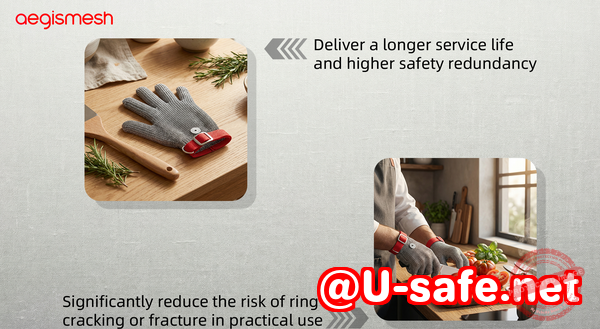
This issue is especially true when you’re relying on chainmail for safety. A worker’s protective gear needs to withstand sharp tools, machinery, or other hazards. If it doesn’t, the consequences can be serious. The last thing anyone wants is to find out their chainmail isn’t up to the task when they’re in the middle of a job.
So how do you know you’re getting the right kind of protection? That’s where the art of chainmail inspection comes in. In this post, I’ll walk you through how to assess chainmail quality so you can make an informed purchase and avoid common pitfalls.
The Problem: Low-Quality Chainmail
It can be tricky to tell the difference between high-quality and low-quality chainmail, especially when you’re dealing with products intended for safety. Here are a few of the most common problems:
-
Open Rings vs. Welded Rings: One of the biggest red flags is the use of open rings in chainmail construction. While welded rings are securely fastened, open rings are less durable and can easily come apart under stress, compromising the protection they offer.
-
Wrong Material Choice: The material of your chainmail is crucial to its performance. Stainless steel is the most common material, but there are different grades of it. Using low-grade stainless steel could result in corrosion or a weak structure.
-
Inconsistent Weaving: Weaving patterns like the European 4-in-1 are used for strength, but not all chainmail products adhere to these traditional methods. A poorly executed weave can result in weaker armor, and a single weak link could make the whole garment unsafe.
With Aegimesh Chainmail, we’ve taken these pain points into account. Our chainmail products are built with the highest standards in mind, ensuring that every piece is durable, reliable, and protective for a range of usesfrom industrial applications to cosplay.
How to Inspect Chainmail for Quality
When evaluating chainmail, there are a few key things you’ll need to check to ensure you’re getting a high-quality product. I recommend taking these steps every time you inspect a potential purchase:
1. Check the Material: Stainless Steel Grades Matter
Stainless steel is the material of choice for high-quality chainmail, but not all stainless steel is created equal. The two most common grades are 304 and 316 stainless steel.
-
304 Stainless Steel is resistant to corrosion but may not hold up as well in extreme environments or with exposure to chemicals.
-
316 Stainless Steel, often referred to as marine grade, offers superior corrosion resistance, making it the best option for harsh environments, like industrial settings or food handling.
If you’re buying chainmail for industrial use, I highly recommend opting for 316 stainless steel to ensure your gear can stand up to whatever it faces.
2. Inspect the Ring Welding
One of the easiest ways to spot low-quality chainmail is to check the rings. A good chainmail product will use welded rings, where the ends of the wire are fused together to form a solid circle. This provides strength and durability.
-
Open rings are not welded and can come apart over time, making them a poor choice for protective gear.
-
Welded rings are much stronger, ensuring that the links stay securely in place even under pressure.
Take a close look at the rings and feel for any weak spots. A good pull test can help you determine if the rings are properly welded and durable.
3. Assess the Wire Thickness
The thickness of the wire used in the rings will also impact the overall strength of the chainmail. Thicker wire offers greater protection, while thinner wire may be more prone to breaking or bending.
-
A standard wire thickness for industrial-grade chainmail is typically around 16 gauge or 14 gauge.
-
If the wire looks unusually thin, it could be a sign that the product is more for decorative use rather than serious protection.
4. Evaluate the Weave Pattern
One of the hallmark features of high-quality chainmail is the weave pattern. The European 4-in-1 weave is the most common and provides excellent strength and flexibility. Here’s what to look for:
-
European 4-in-1 Weave: This weave has each ring interlocked with four others, creating a dense and flexible structure.
-
Other Weave Patterns: Some manufacturers may cut corners with alternative patterns that lack the same durability or coverage.
Check that the pattern is consistent and tight. Gaps or irregularities in the weave can compromise the protection it offers.
Practical Tips for Chainmail Inspection
Inspecting chainmail doesn’t have to be a daunting task. Here are some quick tips that will help you evaluate quality:
-
Pull Test: Gently pull on a few rings to see if they’re securely welded. A well-welded ring shouldn’t budge.
-
Corrosion Check: Look for any signs of rust, especially on the inner parts of the rings. A quality chainmail garment should be free of visible corrosion.
-
Examine the Fit: When it comes to protective gear, the fit is just as important as the material. Make sure the tunic or armor fits snugly without excessive gaps, ensuring maximum protection.
By using these simple methods, you can ensure that your chainmail is built to last and perform as intended.
Why Quality Chainmail Matters
Here’s why you should care about getting the best possible chainmail:
-
Safety in Industrial Environments: In jobs where workers are exposed to sharp tools or machinery, chainmail tunics offer reliable cut-resistant protection. Low-quality chainmail may fail to protect in critical situations.
-
Durability: Investing in high-quality chainmail ensures that it will last longer, saving you money in the long run. Poor-quality chainmail will degrade much faster.
-
Professional Use: Whether you’re in the food industry or working with hazardous materials, chainmail provides an added layer of safety, ensuring that your gear won’t let you down when you need it most.
Conclusion
When it comes to purchasing chainmail, it’s essential to do your due diligence to ensure you’re getting a product that will provide the protection and durability you need. I highly recommend following these steps to inspect your chainmail thoroughly. Whether you’re buying for industrial use, cosplay, or just for display, taking the time to evaluate the quality of your purchase can make all the difference.
For more tips on identifying high-quality chainmail products, or to explore our detailed inspection guide, visit Aegimesh’s Chainmail Guide. Your safety and satisfaction are just a few steps away!
FAQ
1. How can I tell if a chainmail ring is welded or open?
Look closely at the ring. If the ends are fused together without a visible gap, it’s a welded ring. If you see a gap or split, it’s an open ring.
2. Which stainless steel grade is best for long-lasting chainmail?
For maximum durability and corrosion resistance, choose 316 stainless steel. It’s the best option for harsh environments.
3. How do I inspect the weave pattern for strength?
Look for a consistent European 4-in-1 weave. This pattern is the strongest and most reliable for protection. Irregularities or loose rings could be signs of poor craftsmanship.
4. What are the signs of low-quality or unsafe chainmail?
Low-quality chainmail often uses thin wire, open rings, and inconsistent weaves. It may also show signs of rust or corrosion.
5. Can decorative chainmail be used for protective purposes?
Not always. Decorative chainmail is often lighter and less durable than protective chainmail. If you need safety gear, make sure it’s specifically designed for that purpose.
6. How do I choose the right chainmail for industrial vs. cosplay use?
For industrial use, choose chainmail made from 316 stainless steel with a European 4-in-1 weave. For cosplay, you can use lighter materials, but ensure the weave is still tight and durable.
Tags/Keywords
chainmail quality, welded rings, stainless steel chainmail, cut-resistant chainmail, chainmail inspection, European 4-in-1 weave, chainmail durability





 Русский
  Deutsch
  العربية