


EN 1082-Certified Chainmail Ensuring Safety in Extreme Environments
EN 1082-Certified Chainmail: Ensuring Safety in Extreme Environments
When I first started researching chainmail, I had one big question: how can I tell if a piece of chainmail is truly high-quality, especially when so many options are out there? Whether you’re a cosplayer looking for a piece that will hold up at conventions, an industrial worker in need of cut-resistant protection, or someone searching for a historically accurate piece, it can be a struggle to distinguish the good from the bad.
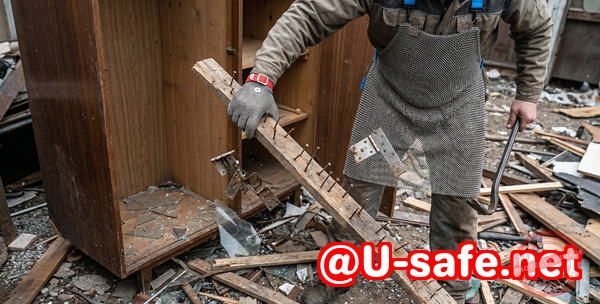
I know firsthand how overwhelming it can be to choose the right chainmail. After all, it’s not just about looks it’s about safety, durability, and reliability. A low-quality product can lead to safety risks or wasted money, and that’s where understanding how to evaluate chainmail becomes essential.
Luckily, there’s an easy way to ensure you’re buying the right product for your needs. By following a few key steps and using a reliable guide, you can confidently choose high-quality chainmail that meets both your safety and aesthetic needs.
Why Chainmail Quality Matters
Chainmail has been used for centuries as protective armor, and it’s still in demand today for everything from industrial applications to cosplay. But not all chainmail is created equal. Low-quality chainmail might look impressive, but it might not provide the protection you expect or could be prone to rusting or breaking under pressure.
Here’s the deal: buying chainmail isn’t just about the visual appeal. If you’re going to use it for protectionwhether in industrial settings or for food processingit needs to be up to standard. The best chainmail for these environments is certified to meet certain guidelines, like EN 1082, ensuring its durability and safety.
What is EN 1082 Certification?
The EN 1082 standard is essential when it comes to evaluating chainmail, particularly for safety in extreme environments. This certification ensures that the chainmail has passed rigorous tests for durability and effectiveness. Whether it’s cut protection in industrial environments, handling sharp objects in food processing, or safeguarding against abrasions in extreme conditions, EN 1082-certified chainmail meets strict requirements.
But how can you tell if the chainmail you’re buying actually meets these standards? This is where understanding a few key factors will make all the difference.
Common Issues When Evaluating Chainmail
If you’ve ever tried buying chainmail, you’ve probably encountered these issues:
-
Welded vs. Open Rings: It’s not always easy to tell if the rings are welded or open. Open rings might seem okay, but they don’t provide the same durability as welded rings.
-
Stainless Steel Grades: Not all stainless steel is the same. Grades like 304 and 316 have different levels of corrosion resistance, and you need to know which is best for your application.
-
Weave Patterns and Durability: The weave pattern plays a huge role in the overall strength of the chainmail. Not all weaves are created equal, and weak patterns can compromise safety and durability.
These are just a few common issues I’ve come across, and I’m sure many of you can relate. It can feel like a game of chance, but it doesn’t have to be. Let’s break down how to evaluate chainmail to ensure you’re getting a top-notch product.
How to Evaluate Chainmail Quality
Whether you’re shopping for industrial-grade protection or a decorative piece for cosplay, here are some key aspects to inspect when evaluating chainmail:
1. Material Type: Stainless Steel Grades
The most important decision when it comes to chainmail material is choosing the right type of stainless steel. Two grades you’ll likely encounter are 304 and 316.
-
304 Stainless Steel: A great option for most applications, 304 offers decent corrosion resistance but may not stand up to extreme environmental conditions.
-
316 Stainless Steel: This is your best choice for environments with high exposure to moisture, chemicals, or extreme conditions. It’s more resistant to corrosion, which makes it ideal for industrial and food-handling environments.
Tip: Always check the product description for the grade of stainless steel used. For chainmail that needs to withstand harsh environments, 316 stainless steel is the gold standard.
2. Ring Type: Welded vs. Open
The type of ring used in chainmail can make a huge difference in its strength and durability.
-
Welded Rings: These rings are fused together at the seams, making them much stronger and less likely to come apart over time. This is the best option for protective chainmail, especially in industrial or food-processing environments.
-
Open Rings: These are cheaper but weaker. Open rings may be suitable for decorative purposes, but they don’t offer the same durability as welded rings.
Quick Test: Gently tug on the rings to see if they stay in place. If they slip or move too much, they may be open rings.
3. Wire Thickness and Inner Diameter
The thickness of the wire and the inner diameter of the rings contribute to the chainmail’s overall strength. Thicker wires and smaller ring diameters offer better protection, especially against cuts and abrasions.
When inspecting a piece of chainmail, you’ll want to look at both:
-
Wire Thickness: Thicker wires are stronger and more durable, but they can also make the chainmail heavier.
-
Ring Inner Diameter: Smaller diameters increase the tightness of the weave and improve protection, while larger diameters may make the piece more flexible but less protective.
4. Weave Patterns: European 4-in-1
The way the rings are woven together is one of the most important factors when evaluating chainmail. The European 4-in-1 weave is one of the strongest and most commonly used patterns. In this pattern, each ring connects to four others, creating a dense, protective grid.
Tip: Check the tightness and consistency of the weave. If the rings are not aligned correctly or if the weave is loose in places, the chainmail may not be as durable.
5. Signs of Poor Craftsmanship
If you’re buying chainmail online, it’s harder to get an up-close look at the craftsmanship. But there are a few things to watch for:
-
Inconsistent Welding: Poorly welded rings will have gaps or weak spots.
-
Corrosion: Even in stainless steel, corrosion can be a sign of low-quality material or poor protection.
-
Uneven Weaving: A quality chainmail piece will have a uniform weave pattern with no gaps or inconsistencies.
Practical Tips for Inspecting Chainmail
-
Pull Test: One simple way to check chainmail strength is by performing a pull test. Pull gently on a small section of the weave to ensure the rings stay in place and don’t easily come apart.
-
Corrosion Check: Run your finger along the rings to check for any signs of rust or corrosion. If the chainmail feels rough or gritty, it could indicate that the stainless steel is of a lower grade.
-
Ring Alignment: If the rings are misaligned or not fitting properly, the piece may not be as durable as you need it to be.
Conclusion: Choose Wisely, Stay Safe
When it comes to choosing chainmail, I highly recommend taking the time to inspect every aspect of the product. Look for the right stainless steel grade, inspect the rings for welding, check the wire thickness and ring diameter, and ensure the weave pattern is solid. These small steps will help you avoid unsafe or low-quality products and ensure that you’re getting a piece that will provide the protection or aesthetic value you’re after.
If you’re unsure about how to evaluate a chainmail product, you can always use a reliable guide, like the one provided by Aegimesh. It’s packed with tips on how to spot the signs of quality chainmail and avoid making an unsafe or costly mistake.
For more information and to access our detailed chainmail inspection guide, visit Aegimesh Chainmail.
FAQ
1. How can I tell if a chainmail ring is welded or open?
Look for signs of welding at the seam. If the ring has a smooth, continuous surface, it’s likely welded. If there’s a noticeable gap or the ring can easily separate, it’s open.
2. Which stainless steel grade is best for long-lasting chainmail?
316 stainless steel is the best option for environments that demand high corrosion resistance, such as food processing or industrial settings.
3. How do I inspect the weave pattern for strength?
Check if the rings are consistently woven in the same pattern, with no gaps or inconsistencies. The European 4-in-1 weave is particularly strong and reliable.
4. What are the signs of low-quality or unsafe chainmail?
Look for poorly welded rings, weak or inconsistent weaves, signs of corrosion, and mismatched wire thickness. These can all indicate low-quality craftsmanship.
5. Can decorative chainmail be used for protective purposes?
While decorative chainmail can look great, it might not offer the same level of protection as high-quality, welded-ring chainmail made from corrosion-resistant stainless steel.
6. How do I choose the right chainmail for industrial vs cosplay use?
For industrial use, choose chainmail made from 316 stainless steel, with welded rings and a strong weave like European 4-in-1. For cosplay, you can opt for more decorative, open-ring chainmail, but ensure it still meets your durability needs.





 Русский
  Deutsch
  العربية