


Evaluating Chainmail Performance in Real-World Tests
Evaluating Chainmail Performance in Real-World Tests
Imagine unboxing a new chainmail shirt you’ve been excited about for months. You run your fingers over the rings, but something feels off. Maybe the rings twist under pressure, or the weave looks uneven. You wonder: “Is this chainmail truly durable and safe, or am I holding a decorative imitation?” This scenario is more common than you might think, whether you’re a buyer, industrial worker, cosplayer, or collector. Evaluating chainmail quality is crucial to avoid unsafe products, wasted money, or disappointment. In this guide, I’ll walk you through real-world methods for assessing chainmail, helping you confidently choose high-quality products like Aegimesh Chainmail.
Common Challenges When Evaluating Chainmail
When I first started buying chainmail for both professional use and cosplay, I faced a few recurring frustrations:
-
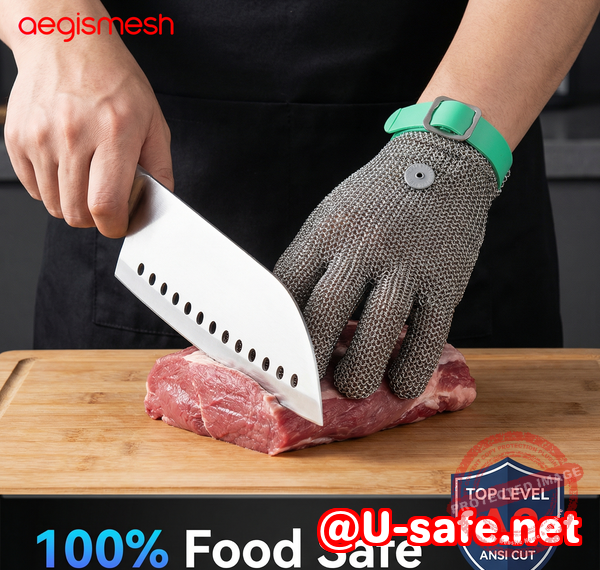
Distinguishing welded rings from open rings
Open rings can separate easily, especially under tension or impact, whereas welded rings form a continuous loop. Many chainmail pieces look solid at first glance, but a poorly welded ring may fail under stress, posing safety risks.
-
Uncertainty about stainless steel grades
Not all stainless steel is created equal. 304 stainless steel is common and corrosion-resistant, but 316 offers superior resistance to rust and chemicals. Without knowing the grade, you risk buying chainmail that may tarnish or degrade faster than expected.
-
Weak or inconsistent weave patterns
The classic European 4-in-1 weave is tried-and-true for strength and flexibility. Yet, some manufacturers cut corners, creating uneven weaves that can unravel or break under pressure, particularly in industrial or food-processing environments.
These pain points are not just hypotheticalthey’re real problems I’ve seen first-hand when testing chainmail from various sources. That’s why a structured inspection method is essential.
How to Inspect Chainmail Like a Pro
I rely on Aegimesh Chainmail as a benchmark because it clearly outlines inspection standards and helps buyers differentiate quality from imitation. Here’s how I assess chainmail step by step:
1. Check the Material Type
Understanding the stainless steel grade is fundamental:
-
304 Stainless Steel Common, corrosion-resistant, suitable for decorative and light-use chainmail.
-
316 Stainless Steel Higher corrosion resistance, ideal for industrial, food-processing, or outdoor use.
A simple way to verify is to ask the seller for material certification or test for magnetic response. While stainless steel is generally non-magnetic, 316 often shows slightly less magnetism than 304. Knowing your chainmail’s grade ensures it won’t rust prematurely.
2. Examine Ring Welding
The integrity of each ring determines durability:
-
Look for a seamless joint Welded rings should appear smooth with no gaps.
-
Avoid rings with visible cracks or overlapping ends These may split under tension.
-
Perform a gentle pull test Grab a small section and apply moderate tension. If rings open or shift, the weld is weak.
I once received a chainmail apron that passed the visual test but failed the pull test. Rings separated easily, revealing poor craftsmanship. Aegimesh Chainmail’s guidance ensures you can detect these flaws before purchase.
3. Inspect Wire Thickness and Inner Diameter
-
Wire Thickness Thicker wire provides better cut resistance and structural strength. For protective use, I look for a minimum of 1.2mm.
-
Inner Diameter (ID) Smaller IDs create denser weaves, enhancing strength and flexibility. A European 4-in-1 weave with consistent ring sizes prevents snagging or unraveling.
Even small inconsistencies can affect performance. During one cosplay convention, a friend’s chainmail gloves had uneven wire thickness, causing discomfort and premature wear. Checking these dimensions early avoids similar issues.
4. Evaluate Weave Patterns
A strong, consistent weave is crucial:
-
European 4-in-1 The classic choice for durability and flexibility. Each ring passes through four others, distributing tension evenly.
-
Inconsistent or loose weaves Can compromise structural integrity, leading to gaps or weak points.
I’ve found that industrial chainmail often adheres strictly to 4-in-1 or similar patterns, while decorative pieces sometimes cut corners for visual appeal. Recognizing this difference helps match the product to its intended use.
5. Identify Signs of Corrosion or Poor Craftsmanship
Even stainless steel can fail if poorly finished:
-
Rust spots or discoloration Early indicators of substandard steel or poor surface treatment.
-
Sharp edges or burrs May tear clothing, injure hands, or indicate rushed manufacturing.
-
Inconsistent ring shapes Can lead to uneven tension and potential chainmail failure.
During an industrial food-handling inspection, I found one batch of chainmail with minor pitting, making it unsafe for repeated sanitation cycles. Early detection is key.
6. Perform Practical Tests
While professional testing tools exist, simple real-world tests help:
-
Pull Test As mentioned, gently tug a section to see if rings hold.
-
Flex Test Bend and twist small segments to ensure the weave returns to shape without gaps.
-
Fit & Comfort Test Especially for wearable chainmail like gloves or aprons. Poor ergonomics indicate weak or stiff rings.
These small checks often reveal flaws that photos or product descriptions can’t convey.
Benefits of Proper Chainmail Inspection
Following these steps has real benefits:
-
Avoid unsafe purchases Industrial or food-grade chainmail must meet strict safety standards.
-
Ensure cosplay or decorative chainmail is durable Prevents frustration during events or reenactments.
-
Save money Avoid spending on low-quality products that wear out quickly.
-
Gain confidence in your purchase Knowing the steel grade, weld integrity, and weave consistency makes buying chainmail stress-free.
Personally, inspecting chainmail has saved me from multiple bad purchases, and using Aegimesh Chainmail as a reference ensures a consistent benchmark for quality.
Choosing the Right Chainmail for Your Needs
Not all chainmail serves the same purpose. Here’s a simple guide:
-
Industrial or Food Processing Prioritize 316 stainless steel, dense 4-in-1 weave, thick wire, fully welded rings.
-
Cosplay or Costumes 304 stainless steel may suffice; focus on appearance and comfort.
-
Historical Replicas & Collectibles Seek authentic weaves and consistent craftsmanship; material can vary based on display versus wear.
-
Decorative Chainmail Prioritize visual appeal but still check for smooth rings and reasonable durability.
By matching chainmail type to use, you reduce the risk of accidents, wear, or disappointment.
Conclusion
Evaluating chainmail quality doesn’t have to be intimidating. By checking material type, ring welding, wire thickness, inner diameter, weave patterns, and signs of corrosion, I can confidently distinguish high-quality, durable chainmail from low-quality or decorative imitations. I highly recommend following these steps to ensure any chainmail purchase meets safety and durability standards. For more in-depth guidance, learn more about identifying high-quality chainmail products at Aegimesh and check out our detailed chainmail inspection guide today.
Frequently Asked Questions
1. How can I tell if a chainmail ring is welded or open?
Look for a seamless joint with no visible gaps. Perform a gentle pull test; welded rings should not separate under moderate tension.
2. Which stainless steel grade is best for long-lasting chainmail?
316 stainless steel is ideal for industrial, food-processing, or outdoor use due to superior corrosion resistance. 304 is sufficient for decorative or light-use chainmail.
3. How do I inspect the weave pattern for strength?
Ensure a consistent European 4-in-1 weave, where each ring passes through four others. Avoid loose, uneven, or irregular patterns.
4. What are the signs of low-quality or unsafe chainmail?
Indicators include visible gaps in welds, uneven wire thickness, inconsistent ring sizes, rust spots, sharp edges, and poor flexibility.
5. Can decorative chainmail be used for protective purposes?
Not usually. Decorative pieces often use thinner wire or open rings, which may not withstand industrial or cut-resistant applications.
6. How do I choose the right chainmail for industrial vs cosplay use?
Match the steel grade, weave density, and wire thickness to your intended use. Industrial needs stronger, corrosion-resistant materials, while cosplay emphasizes comfort and appearance.
7. Are there simple tests to verify chainmail quality?
Yes. Pull tests, flex tests, and visual inspection for corrosion or burrs provide a practical way to check durability before buying.
Tags/Keywords: chainmail quality, welded rings, stainless steel chainmail, cut-resistant chainmail, chainmail inspection, European 4-in-1 weave, steel metal chainmail durability, industrial chainmail, cosplay chainmail, chainmail craftsmanship





 Русский
  Deutsch
  العربية