


Discover the Power of Ring Mesh in Mesh Boning Aprons
Discover the Power of Ring Mesh in Mesh Boning Aprons
When you’re looking for reliable protection, whether it’s for industrial use or even a cosplay project, the quality of your chainmail can make all the difference. Imagine you’re on the job, working in a high-risk environment, or you’re handling food in a professional kitchen. The last thing you want is a flimsy piece of chainmail that doesn’t hold up when it matters most. It can be frustrating, especially when you’re unsure of how to tell if your chainmail is truly durable or just a decorative piece.
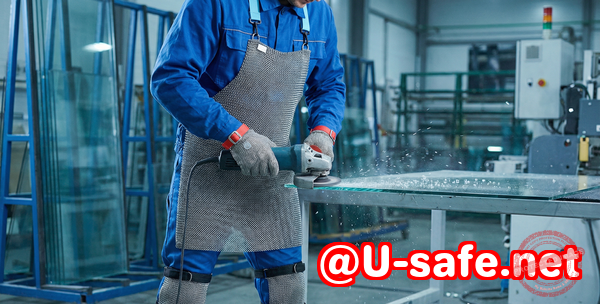
As someone who’s worked with a variety of chainmail productsboth for work and playI know the challenge of distinguishing high-quality chainmail from low-grade options. After all, chainmail is not only about looks; it’s about safety and durability too. That’s where knowing what to look for comes in handy.
In this article, I’ll walk you through the steps to assess the true quality of chainmail products, whether you’re buying for protection, historical replicas, cosplay, or collectibles. Let’s explore the importance of inspecting materials, welds, and weave patterns to ensure you’re getting your money’s worth.
Common Challenges in Choosing High-Quality Chainmail
When it comes to selecting high-quality chainmail, there are several challenges that buyers often face. As someone who’s been in the industry for a while, I can say that these challenges can be the difference between making a safe investment and wasting money on subpar products. Here are a few common pain points you may encounter:
-
Welded Rings vs. Open Rings
It’s easy to get confused by the different types of chainmail rings. Many buyers mistake open rings for welded rings, but there’s a big difference in terms of strength and durability. Open rings are easier to bend or break, while welded rings are much stronger and more secure.
-
Stainless Steel Grades
Stainless steel is the go-to material for most high-quality chainmail, but did you know that not all stainless steel is created equal? The two most common grades you’ll encounter are 304 and 316. 304 is corrosion-resistant but not as strong as 316, which is much more resistant to rust and wear, making it ideal for industrial or food handling applications.
-
Weak Weaves
Another common issue is weak or inconsistent weaves. Chainmail weaves like the European 4-in-1 are designed for maximum strength and durability, but some manufacturers cut corners. A poorly executed weave can lead to weak points that compromise the overall effectiveness of the chainmail.
So, how do you avoid these pitfalls and make sure you’re purchasing high-quality chainmail? Let’s take a closer look at how to inspect chainmail properly.
How to Inspect Chainmail for Quality
When you’re evaluating chainmail, it’s important to pay attention to the details. Here are some steps you can take to make sure you’re getting the best of the best:
1. Inspect the Material
Start by checking the material type. As I mentioned earlier, 304 stainless steel is decent, but for high durability, especially in industrial settings or for food safety, you’ll want to look for 316 stainless steel. This grade offers better resistance to corrosion and wear, which is crucial for long-lasting protection.
2. Examine the Rings
The next step is to check the rings. Here’s a simple way to tell the difference between welded and open rings:
-
Welded Rings: These rings have a solid seam where they’ve been fused together, making them incredibly durable.
-
Open Rings: These rings are simply bent into shape and are more likely to fail over time under stress.
A good way to check is to look at the edges of the rings; welded rings will have a smooth, uniform edge, while open rings will have a noticeable gap or rough edges.
3. Measure the Wire Thickness and Inner Diameter
Don’t forget to check the wire thickness and the inner diameter of the rings. These factors contribute to the strength of the chainmail and how well it’ll perform under pressure. Too thin of wire or too wide of a diameter will lead to weaker chainmail that can easily be cut or damaged.
4. Check the Weave Pattern
The weave pattern is another critical aspect of chainmail strength. One of the most common and strongest weaves is the European 4-in-1. This means each ring is connected to four others in a tight, overlapping pattern. This creates a strong structure that can withstand cutting forces, making it ideal for protective use. If you’re unsure about the weave pattern, you can usually feel the tightness and uniformity of the weave with your fingers. Any inconsistencies or looseness are a red flag.
5. Perform a Pull Test
If you want to go a step further, try a simple pull test. Gently pull on the rings to see if they shift or break. Quality chainmail should resist force and hold its shape without any noticeable stretching or breaking. If the chainmail is too flexible or the rings start to slip apart, it’s a sign of poor construction.
6. Look for Signs of Corrosion or Rust
Chainmail used in industrial or food-related settings must be resistant to rust and corrosion. If you see any signs of rust on the rings or the weave, it could be a sign that the material used is subpar, or the chainmail wasn’t properly treated during production.
Why These Inspections Matter
Now that you know how to inspect chainmail, let’s discuss why these checks are so important. When you’re buying chainmail, especially for critical use like industrial work or food processing, quality matters more than anything. Low-quality chainmail can lead to safety hazards, wasted money, and unnecessary frustration. Here’s how proper inspection helps:
-
Avoid Unsafe Products: Weak or poorly made chainmail might break or fail at crucial moments, putting your safety at risk, whether you’re using it in a dangerous work environment or in food processing.
-
Ensure Durability: High-quality chainmail will last longer, saving you money in the long run by reducing the need for frequent replacements.
-
Get the Right Fit for Your Needs: Depending on whether you need chainmail for industrial use, cosplay, or a decorative piece, the right type of chainmail will meet your specific needs. For example, cosplay chainmail doesn’t need to be as heavy-duty as the chainmail used in the food industry.
-
Avoid Low-Quality Alternatives: By learning how to spot low-quality chainmail, you can avoid buying cheap knockoffs that look good at first glance but fall apart after minimal use.
My Final Recommendation
Having worked with chainmail for years, I highly recommend following these inspection steps whenever you purchase new pieces. By paying attention to material, welds, wire thickness, and weave patterns, you can ensure that you’re buying high-quality, durable chainmail that will last for years to come.
And if you’re still unsure, don’t hesitate to reach out to a trusted chainmail supplier like Aegimesh, which offers detailed guides and support to help buyers make informed choices. Check out our chainmail inspection guide for more information.
Learn more about identifying high-quality chainmail products here.
FAQs
-
How can I tell if a chainmail ring is welded or open?
Look for a solid seam on the ring. If the seam is smooth and uniform, it’s welded. If there’s a gap or rough edge, it’s open.
-
Which stainless steel grade is best for long-lasting chainmail?
316 stainless steel is the best choice for durability and corrosion resistance, especially in industrial or food-processing applications.
-
How do I inspect the weave pattern for strength?
The European 4-in-1 pattern is a common, strong weave. Feel the weave and check for any looseness or gaps.
-
What are the signs of low-quality or unsafe chainmail?
Weak rings, poor welding, inconsistent weave patterns, and signs of corrosion or rust are red flags.
-
Can decorative chainmail be used for protective purposes?
While decorative chainmail looks great, it’s not always suitable for protection. It may not meet the necessary standards for strength or durability.
-
How do I choose the right chainmail for industrial vs. cosplay use?
For industrial use, focus on strong, durable chainmail made of 316 stainless steel with tight weaves. For cosplay, aesthetic appeal may take precedence, but still look for good-quality rings and weave patterns.
-
Why is the European 4-in-1 weave so strong?
The 4-in-1 pattern creates a dense, interlocking structure that evenly distributes force, making it highly resistant to cuts and abrasions.
Tags or Keywords
-
chainmail quality, welded rings, stainless steel chainmail, cut-resistant chainmail, chainmail inspection, European 4-in-1 weave





 Русский
  Deutsch
  العربية