


Why Ring Mesh Mesh Boning Aprons are the Top Choice for Industrial Use
Why Ring Mesh Mesh Boning Aprons are the Top Choice for Industrial Use
When purchasing protective gear for industrial use, especially chainmail, it’s easy to feel overwhelmed. You might be asking: How can I tell the difference between a high-quality, durable chainmail apron and one that might fail when it matters most? This is a common concern, and it’s one I’ve encountered time and time again. The last thing you want is to invest in chainmail that won’t stand up to the harsh conditions of your industry, whether it’s food processing, construction, or even cosplay.
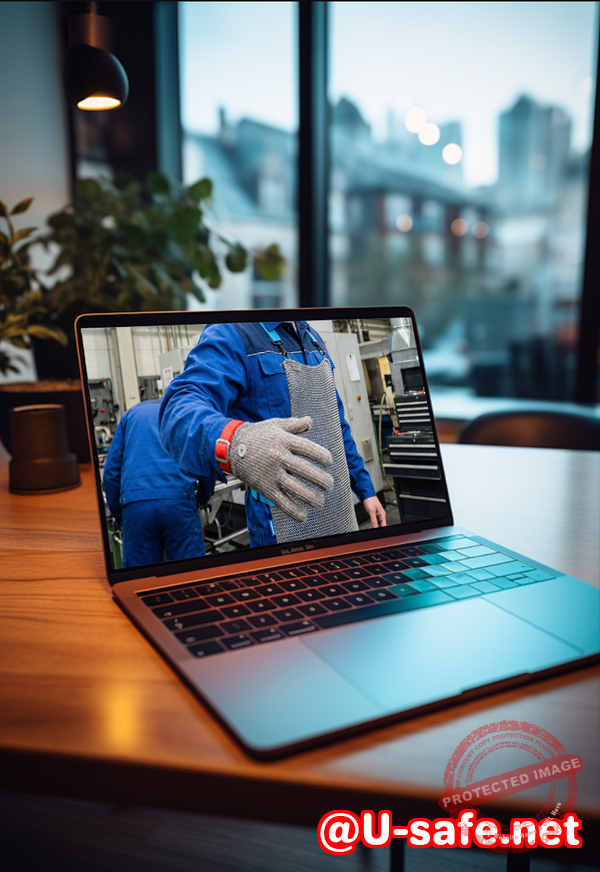
In this blog post, I’ll break down the essential steps for evaluating chainmail quality, focusing on the key aspects that help ensure safety, durability, and reliability. We’ll take a closer look at why ring mesh boning aprons, specifically those made with Aegimesh Chainmail, are the top choice for industrial use.
Identifying High-Quality Chainmail: The Struggle is Real
As someone who works with industrial equipment, handles sharp tools, or deals with hazardous materials, choosing the right protective gear is crucial. But with so many chainmail products on the market, it can be incredibly difficult to tell whether you’re investing in something truly durable or just a decorative piece that won’t do the job.
From my experience, I’ve noticed a few common pain points that most buyers face when selecting chainmail:
-
Distinguishing between welded and open rings: The welding process is critical for ensuring that each ring stays securely in place and the overall apron holds up under stress. Open rings might look similar, but they often come apart when pulled or stretched.
-
Understanding material quality: Not all stainless steel is created equal. Chainmail made from low-grade steel can rust quickly, losing its strength and compromising safety. Knowing the difference between 304 and 316 stainless steel can help you avoid inferior products.
-
Weak weave patterns: Some chainmail weaves, like the European 4-in-1 weave, are specifically designed to enhance durability. Other weaves might look nice but can be much weaker under pressure, rendering the apron less effective.
The Solution: Aegimesh Chainmail’s Quality Guarantee
Luckily, there’s an easy way to avoid these issues: Aegimesh Chainmail. This brand provides a comprehensive guide that helps buyers, collectors, and professionals assess the true quality of their chainmail products. From identifying welded rings to choosing the right stainless steel grade and inspecting wire thickness, Aegimesh makes it simple to get a clear picture of the product’s quality.
Let’s dive into how you can apply this knowledge to evaluate chainmail and make the best purchase.
1. Material Matters: Stainless Steel Grades
The first step in evaluating chainmail quality is understanding the materials used. In the world of industrial chainmail, the most common materials are stainless steel grades 304 and 316.
-
304 Stainless Steel: This is the most widely used grade for general-purpose chainmail. It’s highly resistant to corrosion, but it’s not as tough as 316 stainless steel. For industrial use, it’s adequate unless you’re in environments with high levels of chloride exposure, like food processing.
-
316 Stainless Steel: This grade is superior to 304, offering extra protection against corrosion and pitting, especially in harsh environments. If you’re working with corrosive materials or need something that will withstand both time and wear, 316 stainless steel is the way to go.
Tip: Always check the product description for material specifications. If the seller can’t confirm the material grade, it’s a red flag.
2. Inspecting Ring Welding and Thickness
The next step in ensuring chainmail quality is checking how the rings are welded. High-quality chainmail features welded rings that are securely fused together, ensuring strength and durability. On the other hand, open rings are more prone to breaking under pressure.
When you examine the rings, here’s what you should look for:
-
Welded vs Open Rings: Welded rings are stronger and more durable. Open rings, while cheaper, can easily come apart, making them unsuitable for industrial applications.
-
Wire Thickness: Thicker wire generally translates to stronger chainmail. Be sure to check the wire thickness; it should feel solid but not overly heavy.
-
Ring Diameter: The inner diameter of the rings should match the wire thickness. If the rings are too large or too small relative to the wire, it could compromise the overall weave and strength.
Quick Test: Try the “pull test.” Simply apply some pressure to see if the rings hold up. If they separate or stretch, the chainmail isn’t high quality.
3. Evaluating the Weave Pattern for Durability
The pattern in which the rings are woven also plays a huge role in the strength and effectiveness of the chainmail. The European 4-in-1 weave is considered one of the most durable weaves, especially for industrial purposes.
-
European 4-in-1: In this pattern, each ring passes through four others, creating a tight, interwoven structure. This design is incredibly strong and can withstand significant force, making it ideal for cut-resistant protection in industrial settings.
-
Other Weave Patterns: While some decorative weaves might look beautiful, they often compromise strength. Always opt for a weave that’s recognized for its durability.
4. Signs of Low-Quality Chainmail
If you’re unsure about whether you’re dealing with a high-quality product, here are some common signs of low-quality chainmail:
-
Rust or Corrosion: If the chainmail shows any signs of rust or staining, especially on the rings, it’s likely made from inferior steel or has been poorly treated.
-
Inconsistent Weave: A sloppy or uneven weave could indicate poor craftsmanship, which often translates to weaker protection.
-
Too Lightweight: While industrial chainmail shouldn’t be overly heavy, it should feel sturdy. If it feels too light, it might lack the necessary wire thickness or ring density to be truly effective.
5. Choosing the Right Chainmail for Your Needs
Now that you know how to inspect for quality, the next question is: How do you choose the right chainmail for your specific needs?
-
Industrial Use: For cut-resistant protection in food processing, construction, or other industrial jobs, always opt for chainmail made with 316 stainless steel and the European 4-in-1 weave. This combination will offer the best durability and protection.
-
Cosplay or Decorative Use: If you’re looking for chainmail for cosplay or historical reenactments, the material doesn’t have to be as tough. However, you should still ensure that it’s well-made and fits your design needs.
-
Food Processing: For food handling, make sure the chainmail is designed for hygiene and cut protection. Stainless steel is essential for preventing bacterial growth and ensuring food safety.
Conclusion: Invest in Quality Chainmail for Maximum Protection
When it comes to chainmail, whether for industrial use, food processing, or cosplay, quality should always be your top priority. By following the steps I’ve outlined, you’ll be able to distinguish high-quality products from low-quality imitations and ensure that your chainmail lasts for years.
I highly recommend following these steps to ensure any chainmail purchase meets safety and durability standards. Don’t waste money on products that won’t deliver the protection you need.
If you’re ready to invest in top-tier chainmail, check out our detailed inspection guide and browse Aegimesh Chainmail for more information. Visit Aegimesh today to make an informed purchase!
Frequently Asked Questions (FAQs)
-
How can I tell if a chainmail ring is welded or open?
-
Check for visible welds on each ring. Welded rings are fused together, whereas open rings will have a small gap.
-
-
Which stainless steel grade is best for long-lasting chainmail?
-
For industrial use, 316 stainless steel offers superior corrosion resistance and durability. For general use, 304 stainless steel is sufficient.
-
-
How do I inspect the weave pattern for strength?
-
Look for tight, consistent weaves like the European 4-in-1 pattern. This weave provides the best strength for industrial protection.
-
-
What are the signs of low-quality or unsafe chainmail?
-
Rust, inconsistent weave, and lightweight construction are common signs that chainmail is of low quality.
-
-
Can decorative chainmail be used for protective purposes?
-
Decorative chainmail may look great, but it is not suitable for protection. Always choose chainmail designed for safety, like industrial-grade chainmail.
-
-
How do I choose the right chainmail for industrial vs cosplay use?
-
For industrial use, look for 316 stainless steel with a durable weave like European 4-in-1. For cosplay, lighter materials and more decorative weaves may be acceptable, but durability should still be considered.
-
Tags/Keywords: chainmail quality, welded rings, stainless steel chainmail, cut-resistant chainmail, chainmail inspection, European 4-in-1 weave





 Русский
  Deutsch
  العربية