


Steel Chainmail and Its Role in Historical Battles
Steel Chainmail and Its Role in Historical Battles
When you think of a medieval knight in shining armor, it’s easy to imagine them wearing a suit of perfectly crafted steel chainmail. This iconic armor has been part of history for centuries, offering warriors protection in battle. But as a buyer today, you might find yourself wondering: how can I be sure that the chainmail I’m purchasing is truly high-quality and will provide the protection I need?
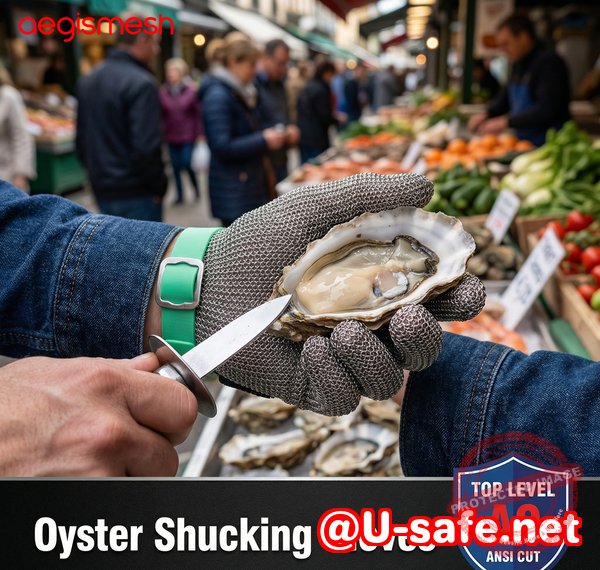
Whether you’re a collector, a professional in need of industrial protection, or a cosplayer bringing historical accuracy to life, the challenge remains the same: how do you distinguish between chainmail that is reliable and durable versus a low-quality imitation? I’ve been there, and I know how frustrating it can be to sift through countless options, only to wonder if you’re really getting the quality you expect.
Let’s take a closer look at the essentials of steel chainmailits historical significance, the most common pain points buyers face today, and how you can ensure you’re purchasing a top-tier product like Aegimesh Chainmail. With the right knowledge, you’ll feel confident in your choices, whether you’re using chainmail for safety, cosplay, or as part of a collection.
The Importance of High-Quality Chainmail: What to Look For
Chainmail has been a staple of protective gear for centuries, especially in historical battles. It consists of metal rings linked together in a pattern that forms a flexible, yet durable armor. Historically, it was used to protect warriors from slashes and stabs. Even today, the material is still relevant in various industries, such as food processing, industrial cut protection, and, of course, as a staple of cosplay and historical reenactment.
However, as time has gone on, not all chainmail products are created equally. I know from experience that distinguishing high-quality, well-made chainmail from poor imitations can be tricky. Let’s break down some of the most common issues I’ve encounteredand how you can avoid them.
Pain Point #1: The Ring DilemmaWelded vs Open Rings
One of the first red flags you might encounter when buying chainmail is whether the rings are welded or simply closed by weaving. While both types can look similar, there’s a huge difference in strength and durability.
Welded rings are significantly stronger and will provide far better protection, especially when used for industrial purposes or as armor. Open rings, on the other hand, can weaken over time, leading to gaps and eventually compromised protection. Unfortunately, many sellers don’t make it obvious which type they’re selling, so it’s essential to know what to look for.
How to check:
-
Look closely at the ends of each ring. Welded rings should have a clean, sealed look with no visible gaps.
-
For open rings, you may notice a small seam where the ends are just pushed together.
Pain Point #2: Material ConfusionWhich Stainless Steel Grade Is Best?
Another issue many buyers face is knowing which type of stainless steel to choose. For chainmail, the two most common grades are 304 and 316. While both are corrosion-resistant, the 316 grade is a step up, offering better resistance to harsh environments like saltwater or chemicals.
304 Stainless Steel is a great option for most purposes, but if you’re looking for durability in extreme conditions, 316 Stainless Steel will offer better longevity, particularly for industrial or food processing applications.
How to check:
-
Ask the seller specifically about the stainless steel grade.
-
Look for products that offer information on corrosion resistance, especially if you’re using it in a harsh environment.
Pain Point #3: Weak WeavesAre You Getting the Durability You Need?
The weave pattern of chainmail plays a critical role in its overall strength and flexibility. One of the most common weave patterns used is the European 4-in-1, where each ring interlocks with four others. This pattern is known for its durability, providing reliable protection and flexibility.
Unfortunately, not all sellers use the proper weave, which can result in a product that falls apart under stress or wear. A poor-quality weave can lead to rings slipping out of place or weakening over time.
How to check:
-
Look at the structure of the rings closely. A tightly woven pattern like European 4-in-1 should form a consistent, rigid grid.
-
Check for any loose or uneven ringsthis could be a sign of a flawed weave.
Aegimesh Chainmail: The Solution to Your Quality Concerns
When you’re looking for chainmail, whether for safety, historical reenactments, or cosplay, it’s crucial to trust a brand that prioritizes quality and craftsmanship. That’s where Aegimesh Chainmail comes in. Our products are designed with durability, safety, and authenticity in mind.
We ensure our chainmail is made with welded rings, using 316 stainless steel for its superior corrosion resistance. We also use the European 4-in-1 weave pattern, ensuring the highest strength and reliability.
Our detailed guide and inspection tool can help you evaluate chainmail products like a pro. You’ll be able to inspect material quality, check for welded rings, measure wire thickness, and assess the weave pattern. This means you can make informed decisions, avoiding low-quality or unsafe products that can compromise your safety or historical accuracy.
How to Inspect Your Chainmail: A Step-By-Step Guide
Knowing how to properly inspect chainmail is essential for making the right purchase. Here are some practical tips I recommend for evaluating your chainmail before buying:
-
Check the Material Type
-
304 stainless steel works for most casual uses but, for the best longevity and performance, I recommend 316 stainless steel for industrial and food processing needs.
-
-
Inspect the Rings
-
Always check for welded rings (stronger and more durable) as opposed to open rings.
-
Ensure the rings are cleanly welded shut with no visible seams.
-
-
Measure the Wire Thickness and Inner Diameter
-
Thicker wire and larger inner diameters are typically associated with higher quality, providing better resistance to cuts and wear.
-
-
Evaluate the Weave Pattern
-
The European 4-in-1 weave is ideal for strength. Make sure the rings are tightly woven and not showing signs of slippage.
-
-
Perform the Pull Test
-
Gently pull at the rings to test the durability. If they move too easily or feel loose, this could be a sign of poor craftsmanship.
-
-
Look for Corrosion
-
Inspect for any signs of rust or corrosion, especially around the edges of the rings. This is a red flag that the material may not be of high quality.
-
Why Chainmail Quality Matters for Safety and Durability
Ensuring the quality of your chainmail is important, especially if you plan to use it for protection. Whether it’s for industrial use, food handling, or cosplay, poorly made chainmail can lead to:
-
Breakage or wear: A low-quality weave can unravel over time, rendering the chainmail useless.
-
Corrosion: Using the wrong grade of stainless steel could lead to rust, compromising protection and aesthetic.
-
Unsafe armor: If you’re using chainmail for protection, inferior materials or weak rings can leave you vulnerable.
By following these steps and choosing high-quality products like Aegimesh Chainmail, you’re ensuring long-lasting durability and safety.
Conclusion: Protect Yourself with Quality Chainmail
As I’ve outlined, knowing how to properly inspect and evaluate chainmail will save you time, money, and potentially even your safety. By following these simple stepschecking the material, inspecting the rings, and evaluating the weaveyou can make informed decisions about your purchase.
I highly recommend following these steps to ensure any chainmail purchase meets safety and durability standards. Whether you’re buying for cosplay, historical reenactments, or industrial protection, understanding what to look for will ensure you get a product that stands the test of time.
Learn more about identifying high-quality chainmail products: Aegimesh Chainmail. Check out our detailed chainmail inspection guide today.
FAQ
1. How can I tell if a chainmail ring is welded or open?
Examine the ends of the rings. Welded rings will have no gap, while open rings will have a visible seam.
2. Which stainless steel grade is best for long-lasting chainmail?
316 stainless steel is the best option for maximum durability, especially for industrial or food-processing use.
3. How do I inspect the weave pattern for strength?
Check for a consistent, tightly woven pattern like European 4-in-1, ensuring the rings fit snugly together.
4. What are the signs of low-quality or unsafe chainmail?
Look for loose rings, uneven weaves, or corrosion. These indicate poor craftsmanship and lower durability.
5. Can decorative chainmail be used for protective purposes?
While decorative chainmail may look great for cosplay or display, it typically doesn’t provide the same level of protection as high-quality, welded chainmail.
6. How do I choose the right chainmail for industrial vs cosplay use?
For industrial or safety purposes, choose 316 stainless steel with welded rings. For cosplay, aesthetic and comfort may be your priority, but you can still opt for quality materials to ensure durability.





 Русский
  Deutsch
  العربية