


Chainmail Aprons for Slaughterhouses and Abattoirs
Chainmail Aprons for Slaughterhouses and Abattoirs: How to Choose the Best for Safety and Durability
When it comes to protecting workers in high-risk environments like slaughterhouses and abattoirs, a chainmail apron can be a lifesaver. These aprons are designed to prevent cuts and injuries from sharp tools, providing an essential layer of safety for those working in meat processing and other industrial sectors. But with so many options available, how do you ensure that you’re purchasing high-quality chainmail that will stand up to the rigors of the job?
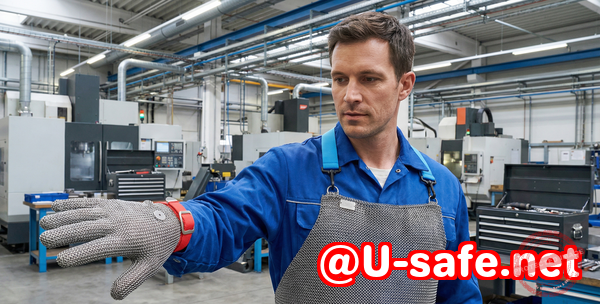
Like many others, you may find yourself wondering, “How can I tell if this chainmail is really up to the task?” After all, not all chainmail is created equal. While some are designed purely for decoration or cosplay, others are crafted with a focus on safety and durability. So, let’s dive into the key factors you should look for when evaluating chainmail, especially for industrial applications like slaughterhouses and abattoirs.
The Challenge of Identifying High-Quality Chainmail
The Right Material Matters
Chainmail, at its core, is made from interlinked metal rings, and the quality of those rings will directly impact the durability and effectiveness of the apron. One of the first questions that buyers often have is: “How can I be sure the chainmail is made from the right material?”
The material used to create the chainmail is critical to its ability to resist cuts and wear over time. Stainless steel is the most common material for chainmail used in industrial settings, particularly grades 304 and 316. But how do you know if you’re getting the right type? Many products on the market may use lower-grade stainless steel that isn’t as resistant to corrosion or wear, especially in environments exposed to moisture, chemicals, and frequent handling.
The Ring Welding Dilemma
Another key issue is the welding of the rings themselves. Chainmail rings can be welded (joined permanently) or left open. Open rings are often found in cheaper, decorative pieces but are not suitable for industrial use because they can easily break apart when subjected to stress. On the other hand, welded rings provide far superior durability and resistance to wear. The problem here is that welded rings aren’t always easy to identifyespecially if you’re new to buying chainmail. How do you distinguish between a welded and open ring, and why does it matter? I’ll walk you through how to check for this in just a bit.
Weave Patterns and Their Significance
Finally, let’s talk about the weave pattern. Chainmail comes in several different weaves, but the European 4-in-1 weave is widely regarded as one of the strongest and most durable. This pattern features four rings woven through a single central ring, creating a tight, secure structure that’s perfect for resisting cuts. If you’re in the market for chainmail aprons for industrial use, this is the weave you should be looking for. The issue? Not all chainmail is made with the 4-in-1 weave, and weaker patterns can result in subpar protection.
How to Inspect Chainmail for Quality: A Step-by-Step Guide
Now that we’ve covered some of the potential pain points, let’s move on to how you can inspect chainmail to ensure you’re buying a quality product that will stand up to the job. Here’s how to check for the key characteristics that define a high-quality apron:
1. Check the Material: 304 vs 316 Stainless Steel
When evaluating a chainmail apron, one of the first things to look at is the material. While both 304 and 316 stainless steel are corrosion-resistant, 316 offers superior resistance to rust and staining, especially in environments that may be exposed to harsh chemicals or saltwater. If you want an apron that’s going to last, especially in food processing or wet environments, 316 stainless steel is the way to go. For less demanding industrial environments, 304 stainless steel can still offer good performance.
Pro Tip: Aegimesh Chainmail uses 316 stainless steel in its products, ensuring long-lasting durability and resistance to rust and corrosionideal for slaughterhouses and abattoirs.
2. Inspect the Rings: Are They Welded or Open?
Next, you’ll want to examine the rings. As mentioned, welded rings are the gold standard for industrial chainmail. To check for welded rings, take a close look at the seam where two ends of the ring meet. If you can see any gap or break, it’s an open ring, which will eventually pull apart under pressure. Welded rings, on the other hand, should appear seamless and solid.
Quick Check: Use a magnifying glass to inspect the rings closely. Run your finger around the seam to feel for any rough edges or gaps.
3. Evaluate the Wire Thickness and Ring Diameter
The thickness of the wire and the diameter of the rings both play a significant role in the apron’s protective capabilities. Thicker wire and smaller ring diameters will generally offer more protection because they create a denser, tighter weave. Chainmail with thinner wire or larger rings might look more delicate and may not hold up as well under stress.
Key Tip: When evaluating the thickness of the wire, ensure that it feels solid and sturdy. If it bends too easily, it could be a sign of poor craftsmanship.
4. Assess the Weave Pattern: Look for European 4-in-1
As mentioned, the European 4-in-1 weave is considered the strongest weave for chainmail. This design ensures that the rings interlock tightly, offering superior cut resistance. If you’re looking at an apron made with a different weave pattern, such as 6-in-1 or a loose variation, it may be less durable and protective.
Pro Tip: Look closely at the apron’s weave to see if the rings are tightly interlocked. A loose weave can make the apron less effective at stopping cuts.
5. Perform a Pull Test
To ensure the quality of the chainmail, try gently pulling on the individual rings to test the weave’s strength. A high-quality apron should feel tight and durable, with minimal movement in the rings. If the weave feels loose or some rings come apart under minimal pressure, that’s a sign that the apron is poorly made and might not provide adequate protection.
6. Look for Signs of Corrosion or Poor Craftsmanship
Finally, inspect the chainmail apron for any signs of rust, corrosion, or poor craftsmanship. Even a small amount of corrosion can compromise the strength of the metal, making it unsafe for use in a high-risk environment like a slaughterhouse. Check the apron for any discoloration or rough spots that could indicate low-quality steel or poor manufacturing.
Why Proper Chainmail Inspection Matters
By taking the time to inspect your chainmail carefully, you’ll avoid purchasing low-quality products that can put you or your employees at risk. Here are a few reasons why proper inspection is essential:
-
Ensures Safety: In industrial environments like slaughterhouses, the risk of cuts and injuries is high. High-quality chainmail can prevent serious injuries and save lives.
-
Saves Money: Investing in a durable, high-quality apron upfront will save you money in the long run. Cheaper chainmail products often wear out faster, leading to more frequent replacements.
-
Increases Durability: Quality chainmail, especially with welded rings and a tight weave, will last longer and continue to provide protection, even in harsh conditions.
Conclusion
To ensure you’re getting a high-quality chainmail apron that provides maximum protection, it’s crucial to inspect the material, welding, wire thickness, ring diameter, and weave pattern. By following these simple steps, you can avoid low-quality or unsafe chainmail and invest in a product that will stand up to the demands of your work environment.
I highly recommend following these steps to ensure any chainmail purchase meets safety and durability standards. The next time you’re in the market for a chainmail apron for industrial use, take a few extra minutes to inspect the product before you buy. Your safety and the longevity of your investment will thank you.
Learn more about identifying high-quality chainmail products: Aegimesh Chainmail Guide
Frequently Asked Questions (FAQ)
1. How can I tell if a chainmail ring is welded or open?
To check for welded rings, look closely at the seam where the ends of the ring meet. Welded rings will be seamless, while open rings will have a visible gap or break.
2. Which stainless steel grade is best for long-lasting chainmail?
For the best durability, especially in harsh environments, 316 stainless steel is the top choice due to its superior corrosion resistance.
3. How do I inspect the weave pattern for strength?
Look for the European 4-in-1 weave, which is tightly interlocked for maximum strength. Loose or less structured weaves may not offer the same level of protection.
4. What are the signs of low-quality or unsafe chainmail?
Signs of low-quality chainmail include open rings, weak welding, large or poorly made rings, and rust or corrosion.
5. Can decorative chainmail be used for protective purposes?
No, decorative chainmail is typically made with open rings and lighter materials, making it unsuitable for industrial use or protection.
6. How do I choose the right chainmail for industrial vs cosplay use?
For industrial use, choose chainmail made from welded 316 stainless steel with a tight, durable weave like European 4-in-1. For cosplay, aesthetic preferences may override strength, but ensure the weave and rings are sturdy enough to hold up to wear.





 Русский
  Deutsch
  العربية