


Chainmail A Mesh of History
Chainmail A Mesh of History: How I Learned to Spot Quality That Truly Protects
When I first went shopping for chainmail, I thought it would be simple. Rings are rings, right? I remember standing in front of my screen, scrolling through product photos, wondering why two chainmail shirts that looked almost identical had wildly different prices. One promised “cut-resistant protection,” another was marketed as “decorative but durable.” The problem was painfully familiar: how do you really know if chainmail quality is what the seller claims it is?
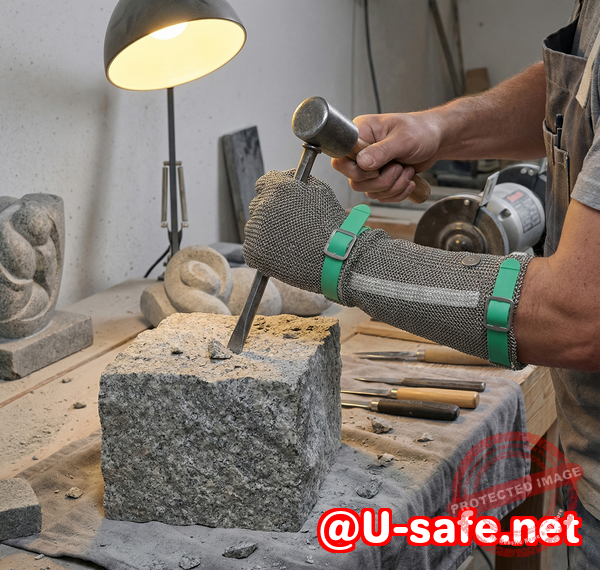
If you have ever bought chainmail for work, cosplay, collecting, or display, you have probably felt that same uncertainty. I certainly have. Chainmail has a long history and a modern purpose, but not all chainmail is created equal. Some pieces are built to protect hands in food processing plants or industrial environments. Others are purely decorative, despite being advertised as tough. Learning to tell the difference can save you money, frustration, and, in some cases, serious injury.
This is exactly why I began paying closer attention to how chainmail is made and inspected. Along the way, I found Aegimesh Chainmail to be a reliable reference point, not just as a product, but as a guide to understanding what high-quality chainmail should look and feel like in real life.
I have spoken to collectors who bought beautiful historical replicas only to discover the rings pulled apart under mild stress. I have also met industrial buyers who assumed “stainless steel chainmail” automatically meant safe for food handling. These stories usually trace back to the same core pain points.
The first pain point is welded rings versus open rings.
At a glance, they look similar. But once you know what to look for, the difference is obvious. Welded rings are closed completely, often with a visible weld mark where the ends meet. Open rings rely on pressure alone to stay closed. In decorative chainmail, that might be fine. In cut-resistant chainmail meant for safety, it is a red flag.
The second pain point is confusion around stainless steel grades.
“Stainless steel” sounds reassuring, but it is not a single material. I learned this the hard way after buying a chainmail glove that started showing rust spots after just a few weeks near moisture. That is when I discovered the importance of knowing whether the chainmail is made from 304 or 316 stainless steel. One is good. The other is better for corrosion resistance, especially in food processing or wet environments.
The third pain point is inconsistent weave quality.
Weak or uneven weaving can undermine even good materials. I once tested a piece with uneven spacing, and the stress concentrated in a few rings instead of being distributed evenly. The result? Rings deformed far too easily.
This is where having a clear inspection framework changes everything. Aegimesh Chainmail does not just sell products; it helps explain how to evaluate chainmail quality so buyers can make informed decisions instead of guesses.
When I inspect chainmail today, I follow a simple but thorough approach. You do not need specialized tools or engineering knowledge. You just need to know what matters.
Start with the material.
Ask what grade of stainless steel is used. For most applications:
-
304 stainless steel is suitable for general use, cosplay, and dry environments.
-
316 stainless steel offers superior corrosion resistance and is ideal for food handling, marine environments, and industrial cut-resistant chainmail.
If the seller cannot tell you the grade, that is your first warning sign.
Next, examine the rings closely.
I like to hold the chainmail up to the light and look for continuity.
-
Welded rings show a solid connection where the ends meet.
-
Open rings often reveal a small gap or overlapping ends without a weld.
For professional or safety use, welded rings are essential. This is one of the core principles emphasized in chainmail inspection guides from Aegimesh.
Wire thickness and ring diameter matter more than you think.
Thicker wire generally means stronger chainmail, but it also adds weight and stiffness. Inner diameter affects flexibility and strength. Rings that are too large weaken the structure. Rings that are too small may be uncomfortable or restrict movement.
I once compared two chainmail sleeves side by side. The difference in wire thickness was subtle, but under a pull test, the thicker wire held firm while the thinner one visibly stretched.
Finally, look at the weave pattern.
The European 4-in-1 weave has stood the test of time for a reason. Each ring connects to four others, distributing force evenly. When done properly, it balances flexibility and durability. If the weave looks uneven or inconsistent, that balance is lost.
One of the most practical lessons I learned was how to perform a simple pull test. You do not need to apply extreme force. Just grip the chainmail with both hands and apply steady pressure. High-quality chainmail resists deformation. Low-quality pieces show gaps widening or rings shifting unnaturally.
Another thing I always check is surface finish and corrosion signs. Discoloration, rough edges, or sharp burrs suggest poor craftsmanship. These details matter, especially for gloves used in food processing or industrial environments where hygiene and safety are critical.
Matching the chainmail to its intended use is equally important.
-
Industrial cut-resistant chainmail should use welded rings, consistent weave, and preferably 316 stainless steel.
-
Food processing chainmail must resist corrosion and be easy to clean.
-
Cosplay or historical replicas can prioritize appearance, but durability still matters if the piece will be worn.
-
Collectibles or display pieces may accept open rings, but buyers should know what they are getting.
I have seen too many people overpay for decorative chainmail marketed as protective. A little inspection goes a long way toward avoiding that mistake.
The benefits of proper chainmail inspection become obvious very quickly. You avoid unsafe purchases. You ensure durability. You stop wasting money on products that look good in photos but fail in real-world use. Most importantly, you gain confidence in your decision.
I remember a chef telling me how relieved he felt after switching to properly inspected stainless steel chainmail gloves. Fewer replacements. No unexpected rust. Peace of mind. That is what understanding chainmail quality delivers.
Aegimesh Chainmail stands out because it provides clear guidance on these evaluation steps. Whether you are buying your first chainmail glove or expanding a professional safety inventory, having a reliable inspection reference makes all the difference.
In summary, identifying high-quality chainmail is not about being an expert. It is about knowing what to check. Material grade. Welded rings. Wire thickness. Ring diameter. Weave consistency. These simple steps can protect you from low-quality or unsafe chainmail.
I highly recommend following these steps to ensure any chainmail purchase meets safety and durability standards. Learn more about identifying high-quality chainmail products: https://www.aegimesh.com/
Check out our detailed chainmail inspection guide today and make your next purchase with confidence.
Frequently Asked Questions
How can I tell if a chainmail ring is welded or open?
Look closely at where the ends of the ring meet. Welded rings show a solid connection or weld mark, while open rings have visible gaps or overlapping ends without fusion.
Which stainless steel grade is best for long-lasting chainmail?
For most professional and industrial uses, 316 stainless steel offers the best corrosion resistance. 304 stainless steel works well for general and decorative applications.
How do I inspect the weave pattern for strength?
Check for consistency. In a European 4-in-1 weave, each ring should connect evenly to four others. Uneven spacing or loose connections weaken the structure.
What are the signs of low-quality or unsafe chainmail?
Open rings, uneven weaving, thin wire, sharp edges, and unexplained rust are all warning signs of poor chainmail quality.
Can decorative chainmail be used for protective purposes?
In most cases, no. Decorative chainmail often uses open rings and lighter materials that are not suitable for cut-resistant or industrial use.
How do I choose the right chainmail for industrial versus cosplay use?
Industrial use requires welded rings, consistent weave, and corrosion-resistant stainless steel. Cosplay chainmail can prioritize appearance, but durability still matters for comfort and longevity.
Tags and Keywords
chainmail quality, welded rings, stainless steel chainmail, cut-resistant chainmail, chainmail inspection, European 4-in-1 weave, chainmail durability





 Русский
  Deutsch
  العربية