


What Injuries Chainmail Can and Cannot Prevent
What Injuries Chainmail Can and Cannot Prevent
When it comes to protective gear, there’s often confusion between style and safety. A common question I hear from buyers is: Can chainmail truly prevent injuries in real-world situations, or is it just for show?
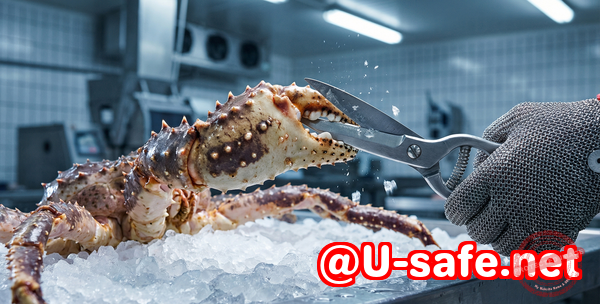
Chainmail has a long history of providing protection in combat, but when it comes to modern usewhether for industrial, food processing, or even cosplaywhat injuries can it really protect against? And just as importantly, what injuries can it not?
I’ve spent years examining chainmail closelyboth for its historical significance and modern applicationsand in this article, I’ll walk you through the key points on how chainmail works, what it can protect you from, and how to make sure you’re buying quality gear that will do the job.
The Real-Life Scenario: Choosing the Right Protection
Imagine this: you’re a butcher in a busy kitchen, working with sharp knives and heavy machinery all day. You’re looking for the best way to protect yourself from potential cuts while maintaining comfort and flexibility. You know chainmail is often used in food processing, but you’ve heard mixed reviews. Some say it’s fantastic at preventing cuts, others claim it’s not as protective as advertised.
As someone who’s spent time in the field, I can tell you that chainmail can be a game-changer for safety. But knowing how to choose the right chainmail for the job is crucial. Let’s dive into how you can evaluate chainmail to avoid injuries from low-quality or unsuitable gear.
What Chainmail Can Prevent
1. Cuts and Lacerations
One of the primary uses of chainmail today is for preventing cuts and lacerations. The rings in the weave form a mesh that can distribute the force of a blade or sharp object, preventing it from reaching the skin.
-
Example: When you’re handling sharp tools or working with sharp metals, stainless steel chainmail provides a durable barrier. It’s like having a tough outer layer of protection that’s lightweight and flexible. However, the key here is the welded ringsthe integrity of the welding plays a massive role in how well the chainmail will hold up under pressure.
2. Punctures
Chainmail’s protective qualities are particularly effective against puncture wounds from sharp objects. The tight weave and strong material prevent knives, needles, and other pointed objects from penetrating deeply into the skin.
-
Example: In food processing, chainmail gloves are often used to prevent injuries from meat slicers. The European 4-in-1 weave pattern, for example, provides exceptional resistance to punctures, especially when paired with high-quality 304 or 316 stainless steel rings.
3. Scratches and Minor Abrasions
Chainmail also helps prevent scratches or minor abrasions that might occur from contact with rough materials or during industrial tasks. While not as protective as heavy armor, it offers significant protection in environments with moderate risks of injury.
What Chainmail Cannot Prevent
1. Blunt Force Trauma
Chainmail is not designed to absorb or deflect blunt force. If you’re hit with a hammer or struck with a heavy object, the force can still transfer through the rings, causing bruising, fractures, or internal injuries.
-
Example: Imagine you’re wearing chainmail while handling large metal components in an industrial setting. While the chainmail will protect you from cuts, it won’t protect you if you drop a heavy object onto your hand. For blunt force, other protective gear such as padded gloves or armor might be necessary.
2. Chemical Burns or Thermal Burns
While chainmail can protect against cuts and punctures, it won’t protect you from burns caused by chemicals, hot surfaces, or fire. In industries like food processing or manufacturing, additional protective measures such as heat-resistant gloves or full-body suits may be necessary.
-
Example: If you’re working in a kitchen or industrial environment where hot surfaces or chemical exposure is a risk, relying on chainmail alone won’t be sufficient for burn protection. It’s crucial to layer your protection for optimal safety.
3. High-Impact Blows
While chainmail can prevent cutting and stabbing injuries, it’s not built to withstand powerful, high-impact blows from heavy weapons or machinery. So, while it might stop a sword from slicing through your arm, it won’t protect against the force of a hammer or a press.
-
Example: In historical battle scenarios, chainmail worked because swords and spears were designed to cut, not crush. However, in modern industries, you’re more likely to face crushing or high-impact scenarios that chainmail just can’t handle.
How to Identify High-Quality Chainmail
Now that we know what chainmail can and cannot protect against, let’s talk about how you can ensure you’re buying the right kind of chainmail for your needs. It’s easy to get overwhelmed by the options, but knowing a few simple tricks can help you avoid wasting money on subpar products.
1. Material Quality: Stainless Steel Grades Matter
When shopping for chainmail, check the material it’s made from. The two most common grades used for high-quality chainmail are 304 and 316 stainless steel. Both are rust-resistant, but 316 stainless steel offers better corrosion resistance, making it ideal for use in harsh environments like food processing or outdoors.
-
Tip: If you’re buying chainmail for industrial use, 316 stainless steel is the better choice due to its superior corrosion resistance.
2. Ring Welding
Not all chainmail is made the same. You’ll often come across products with open rings, but these are weaker and less durable. Welded rings, on the other hand, are much more reliable and are the hallmark of high-quality chainmail. Check the welding carefully to ensure it’s secure.
-
Tip: A simple test to check the welding is to apply a bit of force. A well-welded ring won’t pull apart under moderate pressure.
3. Weave Patterns: European 4-in-1
The weave pattern is another crucial factor in determining chainmail’s strength. The European 4-in-1 weave is one of the most common and durable patterns used for protective chainmail. It provides excellent flexibility and strength while keeping the weight manageable.
-
Tip: Check the pattern closely. If the rings are too loosely woven or inconsistent, it may indicate poor craftsmanship.
4. Wire Thickness and Ring Diameter
Chainmail with thinner wire and larger rings might look more lightweight, but it won’t provide the same level of protection as thicker, smaller rings. Check the wire thickness and the inner diameter of the rings to ensure the chainmail will hold up under stress.
-
Tip: For industrial use, choose a chainmail product with thicker wire and smaller ring diameters to ensure durability.
Step-by-Step Guide to Inspecting Chainmail
-
Check the Material: Ensure the chainmail is made from high-quality stainless steel (304 or 316).
-
Inspect the Rings: Look for welded rings, not open ones.
-
Test the Weave: Ensure the rings are tightly woven in a durable pattern like European 4-in-1.
-
Evaluate the Wire Thickness: Thicker wire is better for industrial and high-stress environments.
-
Perform a Pull Test: Gently pull on a few rings to check for durability and strength.
By following these simple inspection steps, you’ll be able to ensure that the chainmail you buy is durable, safe, and up to the task.
Conclusion: Making the Right Choice
In conclusion, chainmail can be an excellent protective gear choice for many industries and activities, but it’s crucial to understand its limitations and how to evaluate its quality. Whether you’re looking for cut-resistant gloves for food handling, durable armor for cosplay, or industrial-grade protection, using the right materials and inspecting your gear is essential to keeping yourself safe.
I highly recommend following these steps to ensure any chainmail purchase meets safety and durability standards. Don’t let low-quality or unsafe chainmail put you at risk.
For more information on choosing the right chainmail, be sure to check out our detailed inspection guide at Aegimesh.
Frequently Asked Questions
-
How can I tell if a chainmail ring is welded or open?
-
Simply apply light pressure to the rings. Welded rings won’t come apart, while open rings will separate under force.
-
-
Which stainless steel grade is best for long-lasting chainmail?
-
316 stainless steel is the best choice for long-lasting durability, especially in corrosive environments.
-
-
How do I inspect the weave pattern for strength?
-
Look for a tight, consistent pattern like the European 4-in-1 weave. Loose or inconsistent weaves indicate poor quality.
-
-
What are the signs of low-quality or unsafe chainmail?
-
Signs include weak or open rings, uneven weave patterns, and thin wire that bends easily under pressure.
-
-
Can decorative chainmail be used for protective purposes?
-
Decorative chainmail is typically lighter and less durable than protective chainmail, so it may not offer adequate protection in high-risk environments.
-
-
How do I choose the right chainmail for industrial vs cosplay use?
-
For industrial use, choose thicker wire, smaller rings, and corrosion-resistant stainless steel. For cosplay, lighter chainmail with aesthetic value may be enough.
-
Keywords: chainmail quality, welded rings, stainless steel chainmail, cut-resistant chainmail, chainmail inspection, European 4-in-1 weave, chainmail durability






 Русский
  Deutsch
  العربية