


Why Stainless Steel Is Ideal for Chainmail
Why Stainless Steel Is Ideal for Chainmail
When you’re buying chainmail for protection or display, it’s hard to know which products are genuinely high-quality and which ones will fail when you need them most. Whether you’re buying for industrial use, cosplay, or as a collector’s item, the pressure to get it right is real. You need something that’s durable, safe, and practical. But how do you tell the difference between top-notch chainmail and a poor imitation?
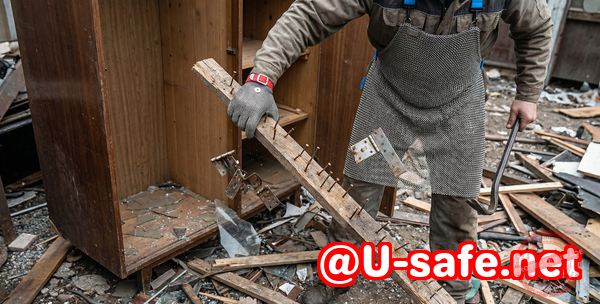
In this post, I’ll walk you through the best ways to evaluate chainmail quality, from inspecting the material and weave pattern to checking for safety features. We’ll explore why stainless steel is a perfect material for chainmail, how to check for essential factors like welded rings and wire thickness, and how to make sure your purchase will meet your needswhether you’re protecting yourself from industrial cuts or gearing up for a cosplay event.
The Struggle: Low-Quality Chainmail
Let’s face it, buying chainmail can be overwhelming. If you’re like most people, you’ve probably wondered:
-
Is this chainmail going to be durable enough for my needs?
-
How do I know if the rings are welded or just looped together?
-
Am I wasting money on something that’s going to fall apart after a few uses?
These are all valid concerns. Chainmail might seem simple at first glance, but it’s a lot more complex than just a bunch of metal rings strung together. Many low-quality options out there are not only unsafe but will cost you more in the long run due to their poor durability. So how can you make sure that you’re getting the best? The answer lies in proper inspection and understanding the materials.
Why Stainless Steel Is the Best Choice for Chainmail
The most important element when choosing chainmail is the material it’s made from. Stainless steel is ideal because it offers a perfect balance of strength, durability, and resistance to corrosion. For industrial users or anyone relying on chainmail for protection, stainless steel is essential due to its toughness. It’s a top choice for cut-resistant chainmail and industrial use because it can withstand both heavy use and exposure to harsh conditions like moisture and chemicals.
When you’re dealing with food processing or any environment where hygiene matters, choosing the right stainless steel grade becomes crucial. Stainless steel resists rust, stains, and corrosion, making it safer and more reliable than other materials, such as aluminum or lower-grade steel.
Types of Stainless Steel: 304 vs 316
When inspecting chainmail, the stainless steel grade matters. The two most common grades used in chainmail are 304 and 316 stainless steel.
-
304 stainless steel is versatile and offers good corrosion resistance. It’s ideal for less demanding environments or decorative purposes.
-
316 stainless steel, on the other hand, offers superior corrosion resistance, especially in marine environments or areas exposed to chemicals or saltwater. If you’re looking for top-tier durability, 316 is your go-to choice.
Evaluating the Quality of Chainmail: Step-by-Step Inspection
Now, let’s talk about how to inspect the quality of your chainmail to make sure it’s safe, durable, and suitable for your needs.
1. Inspect the Ring Construction: Welded vs. Open Rings
One of the most important distinctions you can make when assessing chainmail is whether the rings are welded or open. Here’s why it matters:
-
Welded Rings: These are permanently sealed, making them much stronger and more reliable. They won’t come apart under stress, which is critical for both industrial and protective uses.
-
Open Rings: These are just loops of wire that are connected by twisting. They can easily come apart under pressure, making them unsuitable for safety or high-durability applications.
To check, simply feel around the edges of the rings. Welded rings will feel smooth with no noticeable gap, while open rings may feel slightly rough or show visible joins.
2. Check the Wire Thickness and Inner Diameter
Wire thickness and ring diameter are key factors in determining chainmail’s strength and flexibility. Chainmail with thinner wire or larger rings may be more flexible but less durable. Thicker wire and smaller rings offer better protection but can be heavier.
Here’s how you can check:
-
Wire Thickness: Look for rings that feel solid to the touch. If the wire feels flimsy or the rings are too easily bent by hand, it’s a sign the chainmail may not hold up in demanding conditions.
-
Ring Diameter: Smaller rings tend to weave tighter and stronger. A 5/16″ inner diameter is standard for most uses, providing a good balance between flexibility and strength.
3. Evaluate the Weave Pattern: European 4-in-1
The weave pattern is also critical for ensuring your chainmail is durable and protective. One of the most popular and strong patterns is the European 4-in-1 weave. In this pattern, each ring connects to four others, which helps distribute impact and stress evenly across the mesh.
How to check:
-
Look at the weave. If you see that the rings are consistently woven with four rings attached to each, you’re likely looking at a quality product.
-
Avoid chainmail with loose, inconsistent, or uneven weaves. These areas can weaken the overall structure, leaving you vulnerable in industrial or protective settings.
Why Quality Matters: Benefits of Proper Chainmail Inspection
Taking the time to evaluate chainmail before purchasing it has huge benefits. Not only will it save you money, but it will also help you avoid serious safety risks. Here’s how:
-
For industrial or cut-resistant use: Ensuring your chainmail is made of welded rings and high-quality stainless steel means you’re protected in hazardous environments, like factories or workshops, where cuts and abrasions are common.
-
For cosplay or historical replicas: When using chainmail for decorative purposes, you want something that holds its shape and can withstand wear and tear. Low-quality chainmail will sag or lose its form after a short time.
-
Avoiding unsafe products: Low-quality or poorly made chainmail can be dangerous. Weak or inconsistent weaves won’t protect you when you need them most.
By inspecting the material, welds, wire thickness, and weave pattern, you can ensure that your chainmail serves its intended purpose without fail.
Practical Tips for Evaluating Chainmail
To make sure you’re making an informed purchase, here are a few simple tests and tips you can use when inspecting chainmail:
-
Pull Test: Grab a few rings and pull gently. If they hold tight without shifting, that’s a good sign that the welds are strong.
-
Check for Corrosion: Stainless steel is resistant to rust, but it’s still important to look for signs of damage or poor craftsmanship. If you see any discoloration, pitting, or rust, move on to another product.
-
Check the Ring Connection: Wiggle the rings to see if any of them come apart easily. Welded rings will stay intact, while open rings may separate or loosen over time.
Conclusion: My Recommendation for Chainmail Quality
After reviewing these key points, I highly recommend following these steps to ensure any chainmail you purchase meets safety and durability standards. By checking the material, inspecting the welds, evaluating wire thickness, and assessing the weave pattern, you can make sure your purchase is solid, safe, and built to last.
Chainmail can be a great investment when it’s made from quality materials and constructed properly. So don’t hesitatetake the time to evaluate each piece before you make a purchase. You’ll save yourself time, money, and the frustration of dealing with poor-quality products.
Learn more about identifying high-quality chainmail products at Aegimesh. Check out our detailed chainmail inspection guide today.
Frequently Asked Questions (FAQ)
1. How can I tell if a chainmail ring is welded or open?
To check if a ring is welded, run your finger around its edges. Welded rings will feel smooth and solid, while open rings might show visible gaps or joins where the wire is twisted.
2. Which stainless steel grade is best for long-lasting chainmail?
For high-quality, durable chainmail, look for 316 stainless steel. It offers superior corrosion resistance compared to 304 stainless steel and is ideal for both industrial and food-processing uses.
3. How do I inspect the weave pattern for strength?
Look for a tight, even weave where each ring connects to four others, as in the European 4-in-1 pattern. Any loose or uneven rings could indicate poor craftsmanship.
4. What are the signs of low-quality or unsafe chainmail?
Signs of low-quality chainmail include weak, inconsistent weaves, loose or open rings, thin wire, and visible signs of corrosion or rust. Always check these factors before purchasing.
5. Can decorative chainmail be used for protective purposes?
Not always. Decorative chainmail may not be woven tightly enough or made from durable enough materials to offer protection. For safety, always choose chainmail made from welded rings and high-quality stainless steel.
6. How do I choose the right chainmail for industrial vs. cosplay use?
For industrial use, prioritize chainmail made from 316 stainless steel with welded rings and a tight European 4-in-1 weave. For cosplay or decorative use, 304 stainless steel with a looser weave may suffice, though it won’t offer the same protection.
Tags or Keywords:
chainmail quality, welded rings, stainless steel chainmail, cut-resistant chainmail, chainmail inspection, European 4-in-1 weave, chainmail durability




 한국어
한국어  Русский
  Deutsch
  العربية