


Why Ring Welding Quality Is Crucial in Aprons
Why Ring Welding Quality Is Crucial in Aprons
When purchasing chainmail for protection or display, I often struggle to know which products are genuinely high-quality. As someone who’s worked with chainmail for both professional and personal purposes, I understand how frustrating it can be to sift through countless options, each claiming to offer the best durability and protection. Whether you’re buying chainmail for industrial use, food processing, cosplay, or even for historical replicas, it’s easy to get caught up in flashy marketing without knowing exactly how to evaluate the product’s true quality.
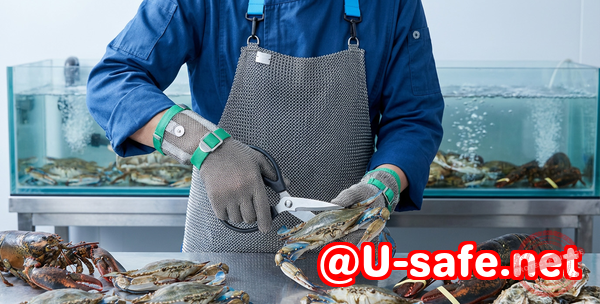
The most important factor I’ve found when choosing chainmail is the quality of the ring welding. If you’re not paying close attention to this, you might find yourself with a set of chainmail that’s not as durable, safe, or long-lasting as you’d expect. So, let’s break down how to identify the best chainmail products, focusing specifically on the crucial detail of ring welding.
Common Pitfalls When Evaluating Chainmail Quality
Let’s face it: inspecting chainmail can be overwhelming. With so many different products out there, it’s easy to fall victim to misleading claims or simply purchase based on aesthetics. However, a few common mistakes could lead to unsafe purchases or, worse, inadequate protection. Below are some of the most common pain points I’ve encountered when evaluating chainmail:
1. Welded Rings vs. Open Rings
One of the first things I learned when diving deeper into chainmail was how to differentiate between welded and open rings. Open rings, although they may look similar to welded ones, can pose serious durability issues. They are simply loops that are bent shut and often held together by a small gap. Over time, these gaps can widen or catch, which compromises the integrity of the entire piece.
On the other hand, welded rings are sealed at the ends, making them far more secure and durable. This is particularly important for chainmail used in industrial environments where safety is a top priority.
2. Stainless Steel Grades and Corrosion Resistance
The next hurdle in choosing high-quality chainmail is understanding stainless steel grades. Many buyers, myself included, often get confused between the two most commonly used grades: 304 and 316. Both are stainless steel, but only 316 offers better resistance to corrosion, especially in high-moisture environments like food processing or heavy industrial work.
Using 304 stainless steel can still be acceptable for decorative purposes or in dry conditions, but when it comes to industrial use, especially in environments that involve frequent contact with water, 316 is the superior choice.
3. Weave Patterns and Their Impact on Strength
Many people overlook how the weave pattern of the chainmail can impact its overall strength. While most of us are familiar with the classic “European 4-in-1” weave, not all chainmail weaves are created equal. This particular pattern is considered one of the strongest, with each ring interlocking with four others, creating a dense, sturdy structure. However, you’ll want to check the overall uniformity of the weave, ensuring that it’s consistent throughout the entire apron or piece.
How to Inspect Chainmail Quality: A Simple Step-by-Step Guide
When it comes to inspecting chainmail, knowing exactly what to look for can save you from purchasing low-quality or unsafe products. Here’s my guide to making sure your chainmail checks all the right boxes:
1. Check the Material Type
The first thing I always do when evaluating chainmail is check the material. As mentioned earlier, 304 and 316 stainless steel are the most commonly used grades. But if you’re unsure, look at the product details closely.
-
304 Stainless Steel: This grade is fine for decorative uses, cosplay, and general purposes, but it’s not ideal for high-stress environments like food processing or industrial work.
-
316 Stainless Steel: This is the best choice for environments exposed to moisture, such as food processing or industrial cut protection, as it offers superior resistance to rust and corrosion.
Make sure to ask for detailed specifications if they’re not provided on the product page.
2. Inspect the Ring Welding
The welding quality of the rings is one of the most critical aspects of chainmail. I’ve found that the simplest way to check the quality of welding is by looking at the ends of the rings. Here’s what you should look for:
-
Well-Welded Rings: A properly welded ring will have no visible gaps or cracks where the ends meet. If you’re able to see a tiny separation, that’s a red flag. A welded ring should be seamless and hold together tightly.
-
Weak Welding or Open Rings: If you can see that the rings are just bent shut, or the welding looks uneven or cracked, steer clear of that product. These imperfections could lead to the rings coming apart under stress.
3. Evaluate Ring Thickness and Inner Diameter
Another key element to assess is the thickness of the wire and the inner diameter of each ring. Thicker wire provides greater durability and strength, while larger inner diameters can make the weave less dense and less protective.
-
Wire Thickness: A thicker wire is often more durable and resistant to cutting or breaking. But, of course, there’s a balance. Too thick, and the chainmail might become uncomfortably heavy.
-
Inner Diameter: A larger diameter makes the weave looser, which reduces the overall strength of the piece. Smaller diameters lead to a denser weave, providing better protection.
4. Inspect the Weave Pattern
For high-quality chainmail, I recommend focusing on the classic European 4-in-1 weave pattern. The European 4-in-1 weave is one of the most reliable for both durability and flexibility. When inspecting the weave, check for:
-
Consistency: Are the rings all uniformly sized? Any discrepancies could mean poor craftsmanship and reduced durability.
-
Tightness: Ensure the rings are tightly packed together with no loose rings. A loose weave won’t offer much protection and could lead to premature wear.
5. Perform the Pull Test
For a simple yet effective inspection, I always perform a quick pull test on the chainmail. Gently tug on the fabric or apron to see if the rings hold firmly in place. If any rings come loose or the weave unravels, you’ll know the chainmail isn’t up to par.
6. Look for Signs of Corrosion
Corrosion is one of the biggest concerns with chainmail, especially if it’s exposed to moisture or harsh chemicals. Check for any rust spots, discoloration, or other signs of wear. If the chainmail shows any corrosion, it’s time to find a better product.
7. Choose the Right Chainmail for Your Use
Finally, consider the intended use of your chainmail. Industrial chainmail requires stronger, more durable materials (316 stainless steel and tight weaves), while decorative or cosplay chainmail might not need as much durability. Always choose your chainmail based on how it will be usedwhether for safety, historical reenactments, or as a costume accessory.
Conclusion
When buying chainmail, whether for industrial, food-processing, cosplay, or decorative purposes, it’s essential to evaluate the quality of the welds, the material, the weave, and the overall durability. By following the inspection steps I’ve outlined, you can confidently select high-quality, safe chainmail that meets your needs and avoids the common pitfalls many buyers face.
I highly recommend following these steps to ensure any chainmail purchase meets safety and durability standards. Don’t settle for subpar products that could lead to unsafe situations or wasted money.
If you’re looking for guidance on identifying high-quality chainmail, check out our detailed inspection guide today: Aegimesh Chainmail Inspection Guide.
FAQ
How can I tell if a chainmail ring is welded or open?
Look closely at the ends of the rings. Welded rings will have seamless, tightly sealed ends, while open rings will have small gaps or spaces where the ends don’t meet perfectly.
Which stainless steel grade is best for long-lasting chainmail?
For industrial and high-moisture environments, 316 stainless steel is the best choice due to its superior resistance to corrosion.
How do I inspect the weave pattern for strength?
Check that the rings are evenly sized and tightly packed in a consistent pattern. European 4-in-1 is one of the strongest and most reliable weaves.
What are the signs of low-quality or unsafe chainmail?
Look for signs of poor welding, loose or open rings, corrosion, and inconsistent weaves. Any of these can reduce the durability and safety of your chainmail.
Can decorative chainmail be used for protective purposes?
Decorative chainmail, while aesthetically pleasing, often lacks the durability and strength needed for industrial or protective use. Always choose chainmail based on its intended purpose.
How do I choose the right chainmail for industrial vs cosplay use?
For industrial use, look for chainmail made of 316 stainless steel with tight, durable weaves. For cosplay or decorative use, 304 stainless steel and looser weaves may be sufficient, depending on your needs.
How do I ensure chainmail is safe for food processing?
Ensure that your chainmail is made of high-quality 316 stainless steel to resist corrosion, and inspect the rings to ensure they are welded and tightly woven.
Tags or Keywords:
chainmail quality, welded rings, stainless steel chainmail, cut-resistant chainmail, chainmail inspection, European 4-in-1 weave, chainmail durability
Explore Aegimesh Chainmail Software at: https://www.aegimesh.com/




 한국어
한국어  Русский
  Deutsch
  العربية