


What Makes Industrial Chainmail Aprons Different
What Makes Industrial Chainmail Aprons Different
When you’re buying chainmail for industrial protection, cosplay, or even historical reenactments, it’s easy to get overwhelmed by the variety of products out there. But here’s the truth: not all chainmail is created equal. Whether you’re looking for an apron to protect yourself from sharp tools in a butcher’s shop, or a cosplay piece for a medieval knight, the quality of the chainmail you choose can make a big difference in terms of durability, safety, and comfort. In this post, I’ll walk you through how to evaluate high-quality chainmail, with a focus on industrial aprons designed to protect against cuts and abrasion.
Why Chainmail Quality Matters
Chainmail is more than just an impressive visual. When it comes to industrial usewhether for safety in a food processing plant or as protective wear in metalworkingthe material’s quality is crucial. Poorly made chainmail could break down quickly, offering minimal protection. Worse, it might fail at a critical moment, leading to accidents or injury.
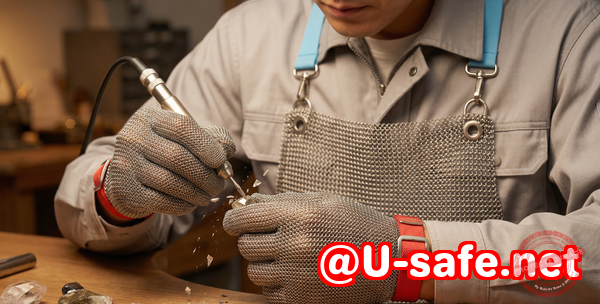
At Aegimesh, we’ve developed a step-by-step guide to help you distinguish high-quality chainmail from cheap, low-grade alternatives. Understanding the key elements like ring material, weld type, and weave pattern will help you make an informed purchase that meets your needs for durability, safety, and cost-effectiveness.
Common Pain Points When Evaluating Chainmail
1. Welded Rings vs. Open Rings
One of the most common mistakes buyers make is not differentiating between welded rings and open rings. While open rings can look similar to welded rings, they don’t provide the same level of strength or durability. Open rings can easily pull apart under pressure, especially when exposed to heavy use or rough conditions.
Solution: Always look for chainmail with welded rings. Welded rings are stronger and more reliable, ensuring that your chainmail holds together during use, whether you’re wearing it for food safety or as part of a medieval costume. You can usually tell by inspecting the rings closelywelded rings will have a smooth, seamless connection, while open rings may show a small gap where the ends meet.
2. Stainless Steel Grades
Not all stainless steel is made equal. You may have heard about 304 and 316 stainless steel, but do you know what they mean for your chainmail’s durability? 304 stainless steel is a good choice for most applications, but 316 stainless steel offers superior corrosion resistance, which makes it ideal for environments where chainmail will be exposed to moisture or harsh conditions.
Solution: When purchasing industrial chainmail, especially for food handling or work near liquids, always opt for 316 stainless steel. It resists rust and corrosion better than 304, which means it will last longer and maintain its protective qualities.
3. Inconsistent or Weak Weaves
Another red flag when evaluating chainmail is weak or inconsistent weave patterns. If the rings aren’t tightly interlocked, the weave will have gaps or weak points that could compromise the material’s ability to protect. For industrial chainmail, you need a tight, reliable weave that won’t break apart under pressure.
Solution: Look for a European 4-in-1 weave, a standard that ensures strength and flexibility. This weave pattern offers an excellent balance of protection and mobility, and it’s one of the most reliable designs for industrial and historical chainmail products.
How to Inspect Chainmail for Quality
1. Check the Material Type
The material is the backbone of the chainmail’s durability. For industrial use, it’s crucial to get the right stainless steel grade. While 304 stainless steel is often used in decorative chainmail, 316 stainless steel is the superior choice for heavy-duty applications.
Tip: If you’re not sure which stainless steel grade you’re dealing with, ask the seller for specific details about the material or look for product reviews from other buyers who have used the chainmail in similar environments.
2. Inspect the Ring Welding
As mentioned earlier, welded rings are much stronger than open rings. When inspecting the chainmail, carefully examine each ring. If you see visible seams or gaps, that could indicate an open ring. Be aware that some manufacturers might hide the seams by polishing them, but you should still be able to spot imperfections if you look closely.
Tip: Run your fingers along the rings to feel for any irregularities. A good welded ring will feel smooth with no sharp edges or weak spots.
3. Wire Thickness and Ring Diameter
Chainmail isn’t just about the rings themselvesit’s also about the thickness of the wire used. The thickness of the wire determines the strength of the rings and their ability to absorb impacts or resist cutting. A thin wire may look neat but won’t offer the same level of protection as a thicker wire.
Tip: For industrial protection, look for wire thickness between 1.5mm to 2mm. This range offers a balance between flexibility and strength.
4. Evaluate the Weave Pattern
The weave pattern of the chainmail can impact its performance. A tight weave, such as the European 4-in-1 weave, ensures that the rings interlock securely, making the chainmail resistant to cuts and impacts. Loose weaves can lead to gaps where a blade or tool could slip through.
Tip: Examine the weave pattern and make sure it’s tight and consistent. The European 4-in-1 weave is known for its strength, but you may also encounter other patterns like 6-in-1 or 8-in-1 for added protection.
Why Quality Inspection Is Essential for Safety
Properly inspecting your chainmail before use can save you from costly mistakes and, more importantly, ensure your safety. Low-quality chainmail, especially in industrial environments like butchering or metalworking, can put you at risk. Not only will it fail to protect you properly, but you may also be exposed to unnecessary cuts or injuries.
For collectors or cosplayers, choosing the wrong chainmail can lead to frustration when it doesn’t last or fit as expected. By following the tips in this guide, you’ll avoid common pitfalls and make smarter purchasing decisions.
Conclusion: Why Choose Aegimesh Chainmail?
At Aegimesh, we understand the importance of choosing high-quality chainmail that meets both safety and aesthetic standards. I highly recommend following the inspection steps outlined in this post to ensure any chainmail purchase meets durability and safety standards. With the right knowledge, you can confidently select chainmail products that will provide lasting protection, whether you’re working in a demanding industrial setting or crafting a historical replica for a cosplay event.
Learn more about identifying high-quality chainmail products: Aegimesh Chainmail. Check out our detailed chainmail inspection guide today.
FAQ
How can I tell if a chainmail ring is welded or open?
-
Look closely at the ring. A welded ring will have a smooth, seamless finish, while an open ring will have visible ends where the wire meets.
Which stainless steel grade is best for long-lasting chainmail?
-
For industrial use, 316 stainless steel is the best choice because it offers superior corrosion resistance and durability.
How do I inspect the weave pattern for strength?
-
Look for tight, consistent weaving. The European 4-in-1 weave is ideal for durability and cut protection.
What are the signs of low-quality or unsafe chainmail?
-
Gaps in the weave, poor welding, and thin wire are all signs of low-quality chainmail. If the rings seem flimsy or the weave inconsistent, it’s best to avoid the product.
Can decorative chainmail be used for protective purposes?
-
Decorative chainmail is generally not strong enough for industrial protection. Look for chainmail specifically designed for safety if that’s your intended use.
How do I choose the right chainmail for industrial vs. cosplay use?
-
For industrial use, focus on durability and protection. Opt for welded rings, thicker wire, and stainless steel grades like 316. For cosplay, you may prioritize appearance, but still ensure the chainmail is well-made with a strong weave.
Keywords
chainmail quality, welded rings, stainless steel chainmail, cut-resistant chainmail, chainmail inspection, European 4-in-1 weave, chainmail durability




 한국어
한국어  Русский
  Deutsch
  العربية