


What Makes EN 1082 the Best Standard for Industrial Chainmail
What Makes EN 1082 the Best Standard for Industrial Chainmail
When it comes to purchasing chainmail, whether it’s for protection in hazardous environments, cosplay, or historical re-enactments, one of the most critical concerns for buyers is ensuring the quality and durability of the product. In particular, industrial users often rely on chainmail for cut protection, and food processing workers depend on it for safety. The problem? It can be tough to know which chainmail is genuinely high-quality and which is merely a decorative imitation.
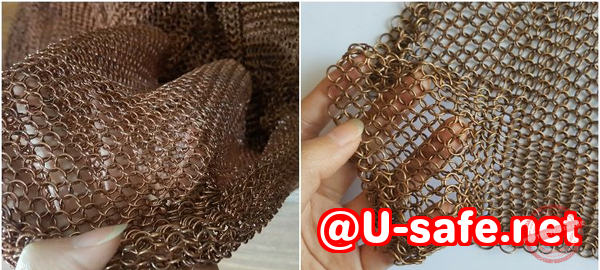
I’ve been there too standing in front of a wall of chainmail options, unsure of how to distinguish a top-tier product from one that might break down after a few uses. What if the chainmail you buy doesn’t meet the necessary safety standards? What if it corrodes or loses its strength after just a few washes? To help answer these questions, let’s dive into why the EN 1082 standard is the best when it comes to industrial chainmail, and how you can use this knowledge to choose high-quality products that truly protect and last.
Common Problems When Buying Chainmail
Purchasing chainmail can be daunting, especially for industrial use, where safety is a priority. Buyers often face the following challenges:
-
Difficulty distinguishing between welded and open rings: Not all chainmail rings are created equal. Rings that are welded tend to be stronger and more durable, but it’s often difficult for the untrained eye to tell them apart from open rings that may be less secure.
-
Uncertainty around material quality: When buying chainmail, especially for industrial or food handling use, understanding the difference between materials like 304 and 316 stainless steel is crucial. Some products might look good, but cheap materials can degrade quickly or corrode.
-
Weaving inconsistencies: Chainmail is all about the weave. A consistent, tight weave like the European 4-in-1 weave ensures strength and durability. However, many chainmail products are poorly woven, resulting in a weaker, unreliable structure.
These challenges leave many buyers wondering, “How do I know if I’m getting the right product?” The good news is that by following a few simple inspection steps, you can easily identify top-quality chainmail.
How EN 1082 Improves Industrial Chainmail Quality
EN 1082 is a standard that ensures chainmail products meet specific safety requirements for industrial use, particularly in environments where cut resistance is crucial. This standard focuses on both the material and construction quality of the chainmail, ensuring that it provides adequate protection against sharp objects, knives, and other hazards.
But what does EN 1082 mean for you as a buyer? Here are the key factors that make this standard so important:
-
Material Integrity: EN 1082 mandates the use of high-grade stainless steel, such as 304 or 316, which are known for their durability and resistance to corrosion. These materials ensure that the chainmail can withstand the wear and tear of industrial environments, making it more reliable for tasks like food processing or cut protection.
-
Welded Rings for Strength: According to EN 1082, chainmail made for industrial use should have welded rings. Welded rings are far more secure than open rings, which can pull apart easily under stress. This makes the chainmail stronger and better suited for high-risk applications.
-
Weave Patterns for Durability: The EN 1082 standard also ensures that the weave pattern used, like the European 4-in-1 weave, is consistent and tight. This type of weave is renowned for its strength and ability to distribute force evenly across the material, enhancing its cut resistance.
-
Clear Marking of Standards: Products that meet EN 1082 are typically clearly labeled, so you know you’re purchasing something that meets rigorous quality standards. This labeling makes it easier for buyers to identify quality products and avoid subpar alternatives.
By ensuring these high standards, EN 1082 offers industrial buyers peace of mind, knowing they’re getting chainmail that will stand up to tough environments.
Practical Tips for Inspecting Chainmail Quality
Now that we understand the importance of EN 1082 and its impact on chainmail quality, let’s break down the practical steps you can take to evaluate chainmail before making a purchase. Here’s a checklist you can follow to inspect any chainmail product:
1. Check the Material Quality
The first step in inspecting chainmail is to determine the material used.
-
304 Stainless Steel: This is the most common material used for chainmail, but it’s susceptible to rust when exposed to moisture over time. While it’s good for most applications, it’s not ideal for highly corrosive environments.
-
316 Stainless Steel: This is a more premium option and is highly resistant to corrosion, making it perfect for environments like food processing, where exposure to moisture is frequent.
Look for clear labels or ask the manufacturer for details about the material. If you can’t confirm the material quality, it’s better to look elsewhere.
2. Inspect the Ring Welding
Welded rings are essential for industrial-grade chainmail. They hold up much better under stress and last longer than open rings.
-
Welded rings: These are joined together by welding, making them incredibly strong and unlikely to pull apart.
-
Open rings: These are rings that are merely linked together without welding, making them weaker and more prone to damage.
The best way to tell the difference is by inspecting the edges of the rings. Welded rings will have a slightly visible seam, while open rings will not.
3. Evaluate Wire Thickness and Ring Diameter
The wire thickness and the inner diameter of the rings play a significant role in the strength of the chainmail. Generally, thicker wire and smaller ring diameters contribute to better protection.
-
Wire thickness: The thicker the wire, the more cut-resistant the chainmail will be. Industrial-grade chainmail will have a thicker wire compared to decorative or cosplay versions.
-
Ring diameter: The inner diameter of the rings should be neither too large nor too small. Too large, and the chainmail won’t provide sufficient protection. Too small, and it may be too rigid or uncomfortable to wear.
4. Inspect the Weave Pattern
The weave pattern is another key feature. A good chainmail product will have a tight, consistent weave. The European 4-in-1 weave is known for its strength and reliability, so be sure to check for a high-quality pattern.
-
Tight and consistent weave: This ensures that the chainmail will hold up under stress and maintain its protective properties over time.
5. Perform the Pull Test
One simple test you can do at home is the pull test. Grab a few links of chainmail and give them a gentle tug. High-quality chainmail should resist pulling apart. If it feels flimsy or starts to come apart, it’s a sign of poor craftsmanship.
Conclusion
In conclusion, purchasing high-quality chainmail is crucial, especially for industrial applications where safety is a top priority. By following these simple inspection steps checking material quality, inspecting the welding, evaluating the wire thickness, and assessing the weave pattern you can easily identify the best chainmail products on the market.
I highly recommend following these steps to ensure any chainmail purchase meets safety and durability standards. If you’re in need of high-quality chainmail, consider Aegimesh’s detailed guide and inspection tools, which provide everything you need to make informed decisions.
Learn more about identifying high-quality chainmail products: Aegimesh Chainmail
Check out our detailed chainmail inspection guide today.
FAQ
1. How can I tell if a chainmail ring is welded or open?
You can tell by inspecting the ring edges. Welded rings will have a visible seam where the ends are joined, while open rings will not.
2. Which stainless steel grade is best for long-lasting chainmail?
For long-lasting chainmail, 316 stainless steel is the best choice due to its superior resistance to corrosion, making it ideal for industrial or food-processing environments.
3. How do I inspect the weave pattern for strength?
Look for tight and consistent patterns, such as the European 4-in-1 weave, which is known for its durability and cut resistance.
4. What are the signs of low-quality or unsafe chainmail?
Signs include loose or inconsistent weave patterns, visible corrosion or rust, and weak or unsteady ring welding. If any of these are present, the chainmail is likely low quality.
5. Can decorative chainmail be used for protective purposes?
No, decorative chainmail is typically weaker and more prone to damage. It’s meant for display or cosplay, not for protection.
6. How do I choose the right chainmail for industrial vs cosplay use?
For industrial use, choose chainmail made of 316 stainless steel with welded rings and a tight, durable weave. For cosplay, you can choose more lightweight and decorative options, but ensure they are still durable enough for wear.
Tags or Keywords
-
Chainmail quality, welded rings, stainless steel chainmail, cut-resistant chainmail, chainmail inspection, European 4-in-1 weave, chainmail durability




 한국어
한국어  Русский
  Deutsch
  العربية