


The Ultimate Guide to Cut-Resistant Stainless Steel Chainmail
The Ultimate Guide to Cut-Resistant Stainless Steel Chainmail
When you’re in the market for chainmail, whether it’s for industrial use, cosplay, or as a collector’s piece, it’s easy to get overwhelmed by the options available. From shiny displays in online shops to bustling vendors at conventions, how do you know which products are genuinely worth your investment and which ones are just flashy, low-quality imitations?
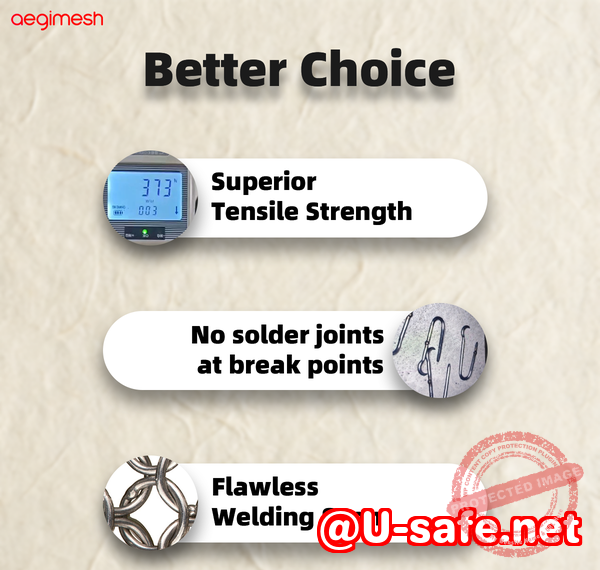
If you’ve ever purchased chainmail and later discovered it didn’t live up to its promise of durability or safety, you’re not alone. I’ve been there too. It’s a frustrating experience, especially when you need the product to meet a specific standard. Whether you’re buying for cut protection in industrial settings or looking for a durable cosplay costume, you need to know how to spot quality chainmail.
In this guide, I’ll walk you through the essential steps for evaluating chainmail, focusing on the most crucial factors that determine its quality: material, welds, wire thickness, ring diameter, and weave pattern. Armed with this knowledge, you’ll be able to confidently choose the right chainmail for your needs, ensuring that it’s both safe and durable.
Common Pain Points When Buying Chainmail
As with any purchase, especially one involving something as specialized as chainmail, there are several key areas where buyers often run into trouble. Understanding these pain points will help you avoid the common mistakes that can lead to buying inferior or unsafe products.
1. Welded vs. Open Rings
A common issue people face is distinguishing between welded rings and open rings. While open rings might seem sufficient for decorative purposes, they’re far weaker than welded rings, making them unsuitable for protective use. The problem is that they often look almost identical to welded rings to the untrained eye. If you’re buying chainmail for safety, such as for industrial use or food processing, this is one area where you cannot afford to make mistakes.
2. Uncertainty About Stainless Steel Grades
Another common challenge is understanding the difference between stainless steel grades, such as 304 and 316. Each has its own benefits and drawbacks, and the wrong choice could result in corrosion, weakening of the rings, or even failure to meet industry standards for protective gear.
3. Inconsistent Weaves
Chainmail is famous for its intricate weaves, but not all weaves are created equal. Weak or inconsistent weaves compromise durability and safety, which is a serious concern if you’re relying on the chainmail for cut-resistant protection or heavy-duty use.
How to Inspect High-Quality Chainmail
At Aegimesh, we’ve developed a guide that outlines exactly what to look for when evaluating chainmail. This is important not just for ensuring safety but also for making sure you’re getting the durability you need without overspending on decorative or poorly made items. Let’s take a closer look at the steps involved in a proper inspection.
1. Material Type: Stainless Steel 304 vs. 316
One of the most critical factors in choosing quality chainmail is the material. The two most commonly used grades of stainless steel for chainmail are 304 and 316. Here’s a quick rundown of their differences:
-
304 Stainless Steel: This is a good all-around choice for chainmail that’s used in dry conditions or for decorative purposes. It’s strong and corrosion-resistant but can still rust in harsh environments.
-
316 Stainless Steel: If you need your chainmail to stand up to harsher conditionslike exposure to saltwater or acidic environments316 stainless steel is the better option. It offers superior corrosion resistance, making it ideal for industrial applications or outdoor wear.
The easiest way to check which grade you’re dealing with is to ask the seller directly or look at the product specifications. Aegimesh’s chainmail products, for example, offer detailed information on material quality to help guide your decision.
2. Inspecting Ring Welding, Wire Thickness, and Inner Diameter
Once you’ve settled on the material, you’ll want to take a look at the rings themselves. Start by checking whether the rings are welded or open. As I mentioned, welded rings are stronger and safer for industrial or protective use. Here’s how to spot the difference:
-
Welded Rings: Look for a small, smooth seam around the ring. This indicates that the ends of the wire have been welded together, making the ring stronger and more secure.
-
Open Rings: These are rings where the ends are not welded. They may be bent together, but they are much weaker and more likely to separate under stress.
You’ll also want to check the wire thickness and the inner diameter of each ring. Thicker wire and larger inner diameters tend to be more durable, but too thick can make the chainmail inflexible and uncomfortable.
3. Weave Patterns: European 4-in-1 for Strength
The weave pattern is another vital aspect to inspect. One of the most popular and strongest patterns is the European 4-in-1. This refers to the number of rings each ring is connected to in the weave. In the case of European 4-in-1, each ring is connected to four others, which creates a tight, durable weave that offers good protection.
When inspecting the weave, make sure the rings are all tightly connected. Any gaps or loose rings could compromise the chainmail’s integrity, especially when it comes to cut resistance.
Practical Tips for Inspecting Chainmail
Now that you know the key areas to look for, here are some simple inspection tips to help you determine if the chainmail you’re considering is high-quality.
1. The Pull Test
One of the easiest ways to test chainmail quality is to perform a pull test. This is especially useful for checking the strength of the welds. Gently pull at the rings to see if any of them separate. If a ring comes apart easily, you know you’ve got a product with weak welds or poor craftsmanship.
2. Look for Signs of Corrosion
If you’re buying chainmail that will be exposed to moisture or harsh environments, check for signs of corrosion. Stainless steel should not rust, but cheap, low-quality chainmail might be prone to discoloration or pitting. Look for dark spots or rough patches on the surface of the metal, which can indicate corrosion has started.
3. Check the Fit and Flexibility
For protective chainmail, such as what you might use in an industrial or food-processing setting, flexibility is key. The chainmail should be able to move freely, conforming to the body without restricting movement. If the rings are too tight or too thick, the chainmail may not offer the comfort you need for long periods of wear.
Why Chainmail Quality Matters
The importance of chainmail quality cannot be overstated. Low-quality or poorly made chainmail can put you at risk of injury or cause discomfort in situations where protection is needed. Whether you’re using chainmail for:
-
Industrial protection: Low-quality chainmail may not provide the cut resistance you need.
-
Food processing: Inconsistent weaves and weak rings could compromise your safety or the integrity of the chainmail.
-
Cosplay: Poorly made chainmail won’t hold up to wear and tear, especially if you plan to wear it for hours at conventions or events.
-
Collecting or historical replicas: Authenticity is key, and quality chainmail ensures that your collection remains intact over time.
Conclusion
When it comes to buying chainmail, taking the time to inspect the product properly is crucial. By checking the material type, inspecting the rings for welds, evaluating wire thickness, and assessing the weave pattern, you’ll be well-equipped to make an informed purchase. I highly recommend following these steps to ensure any chainmail purchase meets safety and durability standards.
If you’re ready to learn more about identifying high-quality chainmail products, check out Aegimesh’s detailed chainmail inspection guide today!
FAQ
1. How can I tell if a chainmail ring is welded or open?
Look for a smooth seam around the ring. Welded rings have a seamless appearance, while open rings show a visible gap or bend at the ends.
2. Which stainless steel grade is best for long-lasting chainmail?
For most industrial and protective uses, 316 stainless steel offers superior corrosion resistance. For decorative or dry conditions, 304 stainless steel is sufficient.
3. How do I inspect the weave pattern for strength?
Check the connection of each ring in the weave. The European 4-in-1 pattern is strong, with each ring connected to four others. Ensure the rings are tightly interwoven without gaps.
4. What are the signs of low-quality or unsafe chainmail?
Signs include weak welds, loose rings, inconsistent weaves, visible corrosion, and poor wire thickness. Always inspect the craftsmanship closely.
5. Can decorative chainmail be used for protective purposes?
Decorative chainmail is typically not suitable for protective use, as it may use open rings and thinner wire that can break under stress.
6. How do I choose the right chainmail for industrial vs. cosplay use?
For industrial use, opt for chainmail made from 316 stainless steel, welded rings, and a strong, tight weave like European 4-in-1. For cosplay, lighter, decorative chainmail with 304 stainless steel may suffice.




 한국어
한국어  Русский
  Deutsch
  العربية