


The Art of Weaving Ring Mesh vs Chainmail for Craft Enthusiasts
The Art of Weaving Ring Mesh vs Chainmail for Craft Enthusiasts
When it comes to chainmail, the first thing that often comes to mind is its historical use in armor. But in today’s world, it’s more than just a relic of the past. Chainmail is making a resurgence in many areas, from industrial applications to cosplay and even food processing. However, with its growing popularity comes a challenge: how can you tell if the chainmail you’re looking at is high-quality, durable, and safe for its intended purpose?
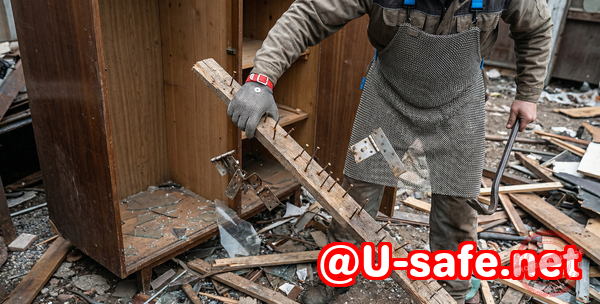
As someone who’s dealt with various types of chainmail, I can tell you that distinguishing between top-notch and low-quality products is no easy task. But fear not! Whether you’re a collector, a cosplayer, or someone in need of cut-resistant protection, this guide will walk you through the essential factors for evaluating chainmail quality and ensuring that your purchase is worthwhile.
Understanding Chainmail: What You Need to Know
Chainmail, at its core, is made up of interlinked rings that form a mesh. It has been used for centuries in everything from medieval armor to modern safety gear. While the basic principle of interlocking rings remains unchanged, today’s chainmail varies greatly in terms of materials, construction, and purpose.
If you’re looking to invest in high-quality chainmail, whether for industrial use or as a collectible piece, there are a few common pitfalls you need to avoid. Many sellers will try to pass off cheap, low-quality chainmail as premium, but knowing what to look for can save you time, money, and potentially even your safety.
Common Pitfalls in Identifying High-Quality Chainmail
One of the most frustrating things about buying chainmail is the confusion surrounding the various types and their quality. I’ve spoken with buyers and collectors alike who have been burned by low-quality products. Here are some of the biggest pain points I hear about when it comes to evaluating chainmail:
-
Welded vs. Open Rings: It’s not always easy to tell if a chainmail ring is welded or simply opened and closed. Open rings are weaker, and they don’t offer the same durability or strength as welded rings. This is crucial if you’re looking for chainmail to serve as protective gear.
-
Stainless Steel Grades: Not all stainless steel is created equal. 304 stainless steel is common in decorative pieces, but 316 stainless steel is far superior when it comes to resisting corrosion, especially in harsh environments like food processing or industrial work.
-
Weave Patterns and Consistency: The weave pattern is the backbone of any chainmail product. Weaves like European 4-in-1 are well-known for their strength and durability, but not all manufacturers use consistent, high-quality weaves. A weak or inconsistent weave can compromise the overall strength of the chainmail, rendering it ineffective for protective uses.
The Key Factors in Evaluating Chainmail Quality
The good news is that there are simple steps you can take to evaluate the quality of chainmail before you make a purchase. Here’s a breakdown of what you should be looking for:
1. Material: Stainless Steel Grades Matter
Stainless steel is one of the most common materials used in chainmail, but not all stainless steel is created equal. For long-lasting durability, especially in industrial and protective applications, 316 stainless steel is the superior choice. This material is highly resistant to corrosion, making it ideal for environments where the chainmail might come into contact with moisture or chemicals.
In contrast, 304 stainless steel is more affordable but less resistant to rust and corrosion. It’s more common in decorative or cosplay pieces, where exposure to the elements is minimal. When inspecting chainmail, check the product description or ask the seller to verify the grade of steel.
2. Welded vs. Open Rings: Why Welded is Better
The strength of chainmail largely depends on whether the rings are welded or simply closed. Welded rings are far stronger, as the welding process ensures the ring is sealed shut, making it much more resistant to pulling apart. Open rings, on the other hand, are weaker and can easily come undone under stress, which could be dangerous in an industrial or protective context.
To check if the rings are welded, simply look at the edges. If you see a tiny seam where the ring has been joined, it’s welded. If the edges are flush and smooth with no visible join, it’s likely an open ring. If you’re unsure, a simple tug on the rings can also reveal the difference in strength.
3. Wire Thickness and Ring Diameter: What’s the Right Size?
The thickness of the wire and the diameter of the rings play a crucial role in determining the durability of the chainmail. Thicker wire provides more strength, and larger rings offer more flexibility. However, too large of a ring diameter may compromise the strength of the weave, while too small can make the chainmail stiffer and harder to move in.
For industrial or food processing uses, you’ll want a wire thickness that’s at least 16 gauge, with a ring diameter that’s proportionate to the wire thickness. For cosplay or decorative uses, a finer wire and smaller rings may be appropriate, but it’s important to know that the durability will be lower.
4. Weave Patterns: European 4-in-1 for Strength
The weave pattern is one of the most important factors in evaluating chainmail quality. The European 4-in-1 weave is widely regarded as one of the strongest and most versatile. This pattern involves each ring passing through four others, creating a sturdy mesh that’s both flexible and tough. If you’re buying chainmail for protection, this is the weave you want to look for.
When inspecting the weave, make sure the pattern is consistent throughout. Any irregularities or gaps between rings may indicate poor craftsmanship, which could affect the overall strength of the chainmail.
Practical Tips for Inspecting Chainmail
Here are a few simple tips to help you assess chainmail quality:
-
Pull Test: Gently pull at the rings to see if they hold firm. A high-quality chainmail will have welded rings that resist pulling apart. If the rings feel loose or if you notice any bending, the quality may be lacking.
-
Look for Signs of Corrosion: Even stainless steel can corrode under certain conditions. Look for any signs of rust or discoloration, especially if the chainmail is meant for food processing or industrial work. Corrosion is a sign that the material is of low quality or that it’s been exposed to unsuitable conditions.
-
Check the Ring Diameter: For maximum strength, the rings should be neither too large nor too small for the wire thickness. A mismatch can affect the weave’s integrity and the chainmail’s overall strength.
Why Aegimesh Chainmail is the Right Choice
At Aegimesh, we understand the importance of quality when it comes to chainmail. Our products are made from high-quality 316 stainless steel, and we ensure that every ring is welded to provide maximum durability. Whether you’re looking for industrial cut-resistant chainmail, food processing gear, or a beautiful piece for cosplay or historical reenactment, Aegimesh provides the tools and expertise to help you make an informed decision.
Conclusion: Quality Matters, So Choose Wisely
When it comes to chainmail, a little knowledge goes a long way. By following the steps outlined in this guide, you can confidently evaluate chainmail quality and avoid the frustration of low-quality products. I highly recommend taking the time to inspect chainmail before making a purchase, especially if it’s intended for protective or industrial use.
Learn more about identifying high-quality chainmail products at Aegimesh Chainmail. Check out our detailed chainmail inspection guide today!
FAQ
-
How can I tell if a chainmail ring is welded or open?
-
Look for a visible seam. Welded rings will have a tiny join, while open rings will have visible ends where they connect.
-
-
Which stainless steel grade is best for long-lasting chainmail?
-
316 stainless steel is the best choice for durability and corrosion resistance. It’s ideal for industrial, food processing, and protective uses.
-
-
How do I inspect the weave pattern for strength?
-
Look for consistency. A strong weave, like the European 4-in-1 pattern, should be uniform throughout with no irregularities or gaps.
-
-
What are the signs of low-quality or unsafe chainmail?
-
Look for weak rings, poor welding, rust or corrosion, and irregular weave patterns.
-
-
Can decorative chainmail be used for protective purposes?
-
While decorative chainmail can be aesthetically pleasing, it typically isn’t strong enough for industrial or protective use. Ensure you use chainmail designed specifically for protection.
-
-
How do I choose the right chainmail for industrial vs. cosplay use?
-
For industrial use, opt for high-quality welded rings and thicker wire with a European 4-in-1 weave. For cosplay, you can use lighter, decorative chainmail with smaller rings.
-
Tags or Keywords
-
Chainmail quality
-
Welded rings
-
Stainless steel chainmail
-
Cut-resistant chainmail
-
Chainmail inspection
-
European 4-in-1 weave




 한국어
한국어  Русский
  Deutsch
  العربية