


Steel Metal Chainmail in Industrial Safety Standards
Steel Metal Chainmail in Industrial Safety Standards
When you think of chainmail, what comes to mind? For many, it’s the iconic armor worn by knights in shining armor during the medieval era. However, chainmail is still very much relevant today, especially in industries requiring high-quality protective gear, such as food processing, industrial work, and cosplay. But when it comes to purchasing chainmail, how can you be sure you’re getting the real deal?
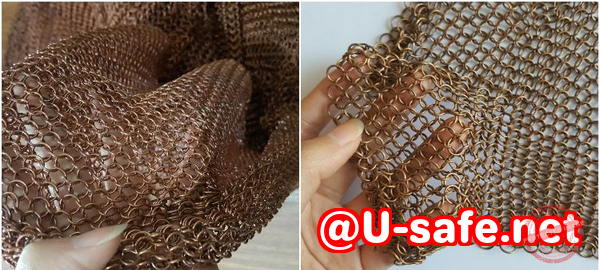
I’ve encountered many buyers who, like me, were initially overwhelmed by the sheer variety of chainmail products available. You may find yourself standing in front of a display of glistening steel rings, wondering if the product is durable enough for your needsor if it’s just a cheap imitation. It’s easy to be misled by something that looks impressive, but the difference between high-quality chainmail and subpar options can mean the difference between safety and risk. So, how do you separate the high-quality, cut-resistant, and durable products from the rest?
Let’s dive into the specifics of chainmail quality, what to look for, and how to avoid purchasing something that may not meet the standards you need.
Common Pain Points in Chainmail Selection
Evaluating chainmail can be tricky. From the outside, many products might look similar, but inside those intricate rings lies a vast difference in quality. Here are a few common pain points I’ve experienced, along with advice on how to address them:
-
Welded Rings vs. Open Rings:
One of the most frequent issues buyers face is not knowing whether the rings are welded or simply opened. Welded rings are much stronger and more reliable, especially in industrial settings. Open rings, on the other hand, can weaken the entire weave, compromising its protective qualities.
-
Uncertainty About Material Quality:
Stainless steel is the go-to material for high-quality chainmail, but not all stainless steel is created equal. You might find yourself confused between the different grades, such as 304 and 316 stainless steel. The latter, while a bit more expensive, offers superior resistance to corrosion, especially in harsh environments like food processing.
-
Weak Weave Patterns:
Another issue is the quality of the weave itself. A poor-quality weave, especially one that’s inconsistent, can cause the chainmail to lose its protective qualities. This is particularly crucial for industries that require cut-resistant chainmail, like meat processing.
How to Inspect and Evaluate Chainmail Quality
I’ve learned over the years that knowing what to look for when inspecting chainmail can save you time, money, and the headache of dealing with substandard products. Here’s how you can evaluate the quality of chainmail before making a purchase.
1. Material Type: 304 vs. 316 Stainless Steel
-
304 Stainless Steel: This is the most common type of stainless steel. It’s resistant to corrosion, but it may not withstand extreme conditions like exposure to saltwater.
-
316 Stainless Steel: The better option for high-durability needs, particularly in industrial or food-related environments. It offers enhanced resistance to corrosion and rust, which is essential for products exposed to moisture, oils, or acidic foods.
2. Check the Ring Welding
One way to immediately assess quality is by looking at how the rings are put together.
-
Welded Rings: These are rings that have been heated and fused together. They’re incredibly strong and provide better protection.
-
Open Rings: These are rings that are simply bent into a circle but not welded. They tend to weaken over time, especially in high-stress environments.
Quick Tip: If you can gently pull the rings apart or if they easily separate under light pressure, you’re dealing with open rings.
3. Wire Thickness and Inner Diameter
The thickness of the wire and the size of the inner diameter of the rings both play a role in the strength and flexibility of the chainmail.
-
Wire Thickness: A thicker wire usually indicates better durability. However, keep in mind that thicker wire also makes the chainmail heavier.
-
Inner Diameter of Rings: The inner diameter of the rings affects the overall flexibility and mobility of the chainmail. Too large or too small can weaken the structure, reducing its protective qualities.
4. Weave Patterns
The weave pattern is crucial for both aesthetics and functionality. One of the most popular and durable weave patterns is the European 4-in-1, where each ring is woven through four others. It’s strong, flexible, and provides a great level of protection against cuts and abrasions.
Quick Tip: Take a look at the weave’s consistency. A high-quality weave will be tight and even, with no loose or misshapen rings.
Benefits of Proper Chainmail Inspection
So why does it matter if you spend a little extra time inspecting the chainmail? Here are a few key reasons why you should follow these inspection methods:
-
Safety: If you’re purchasing chainmail for industrial or food processing use, ensuring it’s up to standard can mean the difference between safe, reliable protection and an accident waiting to happen.
-
Longevity: Quality chainmail, particularly when made with the right material and craftsmanship, will last much longer and provide better value for money in the long term.
-
Cost Savings: By identifying poor-quality products early, you can avoid wasting money on something that will need to be replaced far too soon.
-
Peace of Mind: Knowing you’ve made an informed decision allows you to focus on the task at hand, whether that’s handling food, working with sharp tools, or enjoying a cosplay event.
Practical Tips for Evaluating Chainmail
Here are some steps I recommend following when you evaluate chainmail:
-
Perform a Pull Test: Gently pull on a few rings and see if they stay intact or separate easily. This can help you tell if the rings are welded.
-
Look for Signs of Corrosion: If the chainmail looks rusty, discolored, or shows any signs of corrosion, it’s not made with high-quality materials.
-
Check the Weave: Run your fingers through the weave. If it feels loose or uneven, the chainmail might not be durable enough for your needs.
-
Choose Based on Intended Use: If you need chainmail for cut resistance in an industrial setting, you should prioritize strength and durability. For cosplay or historical replicas, the aesthetics of the weave might be more important than the strength.
Conclusion: How to Make the Right Chainmail Purchase
I highly recommend following these inspection steps when purchasing chainmail. Whether you’re using it for industrial work, food processing, cosplay, or as a historical replica, ensuring the quality of the product is crucial. Properly inspecting the material, rings, and weave pattern can save you money, ensure safety, and guarantee the durability you need.
If you’re still unsure about the best way to identify high-quality chainmail, Aegimesh Chainmail offers a comprehensive guide to help you evaluate the products. Their chainmail inspection tool provides detailed steps on how to assess material quality, ring welding, wire thickness, and weave patterns like the European 4-in-1. Check out our detailed chainmail inspection guide today.
FAQ
-
How can I tell if a chainmail ring is welded or open?
If the rings can be easily pulled apart, they’re open. Welded rings will stay intact even under pressure.
-
Which stainless steel grade is best for long-lasting chainmail?
316 stainless steel is the best for long-term durability, especially in environments where corrosion is a concern.
-
How do I inspect the weave pattern for strength?
The European 4-in-1 weave is a strong, reliable pattern. Ensure that the rings are tight and evenly woven with no gaps.
-
What are the signs of low-quality or unsafe chainmail?
Signs include loose rings, signs of corrosion, and inconsistent or poorly executed weaves.
-
Can decorative chainmail be used for protective purposes?
Decorative chainmail may not offer sufficient protection. Always check for the right material and welds if safety is a concern.
-
How do I choose the right chainmail for industrial vs cosplay use?
For industrial use, prioritize strength and durability. For cosplay, the focus is usually on appearance and comfort.
Tags or Keywords:
-
Chainmail quality, welded rings, stainless steel chainmail, cut-resistant chainmail, chainmail inspection, European 4-in-1 weave, chainmail durability




 한국어
한국어  Русский
  Deutsch
  العربية