


Steel Metal Chainmail as Industrial Safety Equipment
Steel Metal Chainmail as Industrial Safety Equipment
When it comes to selecting the right chainmail for industrial safety, cosplay, or historical use, the overwhelming number of options can make it difficult to know what’s truly high-quality. Whether you’re looking for chainmail to protect workers from cuts, enhance a costume, or display in your collection, understanding how to evaluate chainmail can save you time, money, and potential safety risks. In this post, I’m going to walk you through how to identify top-tier chainmail products and avoid the pitfalls of low-quality options.
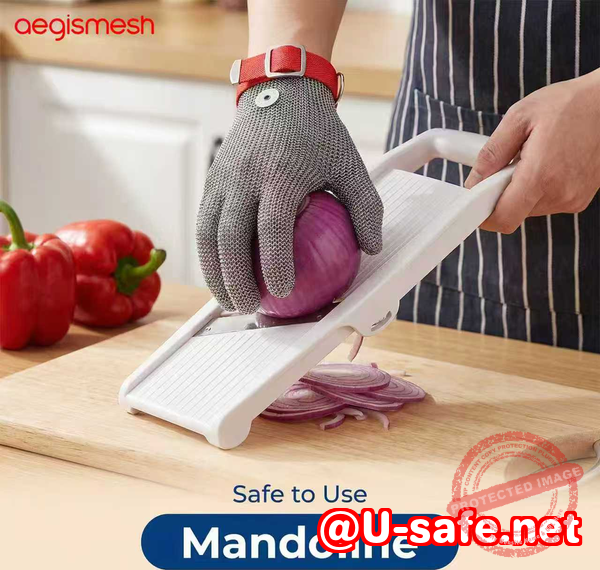
Why Chainmail Quality Matters
Imagine this: You’re about to make a crucial purchasewhether it’s for your workplace’s safety gear or for a historically accurate cosplay piece. You’ve spent hours researching, but once it’s in your hands, you notice that the rings feel flimsy, or worse, start breaking apart after minimal use. This could be a result of weak craftsmanship or cheap materials, and in the case of industrial or food-processing chainmail, it could be downright dangerous.
Low-quality chainmail won’t offer the protection it’s supposed to. It may not be cut-resistant, could wear out quickly, and even pose a health risk if it rusts or corrodes. So, how do you make sure you’re investing in a product that’ll actually deliver on its promise of durability and safety?
Let’s explore the best practices for evaluating chainmail quality to ensure you’re getting what you paid for.
Common Pain Points in Evaluating Chainmail Quality
1. The Battle of Welded vs. Open Rings
One of the first hurdles when evaluating chainmail is distinguishing between welded rings and open rings. Welded rings are a mark of higher-quality chainmailthey’re stronger, more durable, and less likely to fall apart. Open rings, on the other hand, are generally weaker and can easily break apart over time.
When inspecting chainmail, look at the edges of the rings. If you see a noticeable seam, chances are, the rings are welded. If they appear smooth without any visible joint, they are likely open rings, which can compromise the integrity of the weave.
2. Stainless Steel: Not All Grades Are Created Equal
Choosing the right stainless steel grade is crucial for chainmail, especially for industrial or food-handling purposes. The two most common grades are 304 and 316, with 316 offering better corrosion resistance due to its higher molybdenum content. If you’re looking for long-lasting, corrosion-resistant chainmail, especially in environments with high humidity or salt exposure, 316 stainless steel is the better choice.
3. Weave Pattern and Ring Thickness Matter
Another issue that often comes up is the inconsistency of the weave pattern and the thickness of the wire. A high-quality chainmail product should have a tight, uniform weave, such as the European 4-in-1 pattern, which is one of the strongest weaves in use. If the weave looks loose or uneven, it can affect the strength and flexibility of the chainmail.
Also, don’t forget about the wire thickness and inner diameter. If the wire is too thin or the rings are too large, the chainmail won’t provide adequate protection. It could also result in a lot of movement between rings, leading to wear and tear faster than you’d like.
Practical Guidance for Inspecting Chainmail Quality
Now that we’ve covered the pain points, let’s dive into how you can inspect and verify chainmail quality before purchasing. These are practical steps you can follow, no matter if you’re a buyer, collector, or professional.
1. Material Inspection: 304 vs. 316 Stainless Steel
-
Check the grade of stainless steel. High-quality chainmail will often indicate whether it’s made from 304 or 316 stainless steel.
-
Perform a corrosion test. Leave a small section of chainmail in a humid environment or expose it to water for a while. If the chainmail starts to rust or corrode quickly, it’s likely made from lower-grade stainless steel.
-
Look for manufacturer details. Reputable manufacturers, like Aegimesh, will often provide information about the material used in their chainmail.
2. Check the Rings and Welding
-
Perform the “Ring Test”: Grab a ring and gently tug it. If it’s a welded ring, it should stay solid and not pull apart easily. An open ring will bend or break under pressure.
-
Inspect the welds: Good quality welded rings will have smooth, seamless welds. If you notice rough edges or sharp points, it may be a sign that the welding wasn’t done properly.
3. Inspect the Weave Pattern
-
Examine the weave carefully. European 4-in-1 weave is one of the most popular and strong patterns for both protection and decoration. The rings should interlock perfectly in a uniform, consistent way.
-
Check the tightness. A loose or uneven weave can make the chainmail weaker and less durable. The rings should fit snugly together without much space between them.
4. Pull Test
To ensure the durability of the chainmail, perform a simple pull test:
-
Hold a small section of the chainmail and gently tug it.
-
If the rings or weave loosen, the chainmail is not suitable for high-stress applications, such as industrial safety.
5. Look for Signs of Poor Craftsmanship
-
Uneven or weak welds: Signs of low-quality welding include rough, jagged edges or inconsistent gaps between rings.
-
Rust or corrosion: As mentioned, corrosion or rust spots on the chainmail could indicate that it’s made from a subpar material or poorly treated.
-
Weak or inconsistent links: A weak or inconsistent link may break under pressure, leading to failures in protection or performance.
Why Proper Chainmail Inspection Saves You Money and Ensures Safety
By following these steps and inspecting chainmail thoroughly, you’re protecting yourself from making unsafe or expensive purchases. Whether you’re purchasing chainmail for industrial safety, food processing, cosplay, or historical replica, the right choice can make all the difference.
Key benefits of proper chainmail inspection include:
-
Avoiding unsafe chainmail: Especially for industrial or food-processing applications, low-quality chainmail could lead to accidents and health risks.
-
Ensuring durability: Well-made chainmail lasts longer and provides better protection, saving you money in the long run.
-
Making informed choices: Understanding what makes a chainmail product high-quality helps you avoid spending money on products that won’t meet your expectations.
Conclusion: Ensuring Safety and Durability
When shopping for chainmail, it’s essential to know how to evaluate its quality. Follow the steps outlined in this guideinspect the material, check the welding and weave, and test for durability. I highly recommend following these steps to ensure that any chainmail purchase meets safety and durability standards. Whether for industrial use, food handling, cosplay, or display, these guidelines will help you identify the best products for your needs.
Ready to start shopping for quality chainmail? Learn more about identifying high-quality chainmail products and check out our detailed chainmail inspection guide today!
FAQ: Common Questions About Chainmail Quality
1. How can I tell if a chainmail ring is welded or open?
-
Look for a seam or joint on the edge of the ring. A welded ring will have a smooth, seamless connection, while an open ring will show a visible split.
2. Which stainless steel grade is best for long-lasting chainmail?
-
316 stainless steel is the best option for durability and corrosion resistance, especially in high-moisture or salt-exposed environments.
3. How do I inspect the weave pattern for strength?
-
Examine the chainmail closely for a consistent, tight weave, such as the European 4-in-1 pattern, which ensures maximum strength.
4. What are the signs of low-quality or unsafe chainmail?
-
Look for poor welds, rust or corrosion, uneven weaves, and rings that feel too flimsy or bend easily.
5. Can decorative chainmail be used for protective purposes?
-
While decorative chainmail may look great, it typically isn’t strong enough for industrial or safety use. Make sure the chainmail is designed for the intended purpose.
6. How do I choose the right chainmail for industrial vs cosplay use?
-
For industrial use, choose thick, tightly-woven chainmail made from high-grade stainless steel. For cosplay, you can opt for lighter, decorative chainmail as long as it’s durable enough for display.
Keywords:
-
Chainmail quality, welded rings, stainless steel chainmail, cut-resistant chainmail, chainmail inspection, European 4-in-1 weave, chainmail durability




 한국어
한국어  Русский
  Deutsch
  العربية