


Steel Chainmail for Survivalists How It Provides Reliable Protection
Steel Chainmail for Survivalists: How It Provides Reliable Protection
When it comes to protective gear, there’s something timeless about chainmail. Whether you’re a survivalist preparing for the worst, a cosplayer looking to complete your medieval armor, or an industrial professional in need of cut-resistant gear, chainmail can be an essential part of your toolkit. But with so many options available, how do you know which chainmail is truly high-quality and will stand the test of time? It’s not always easy to tell just by looking at a product online.
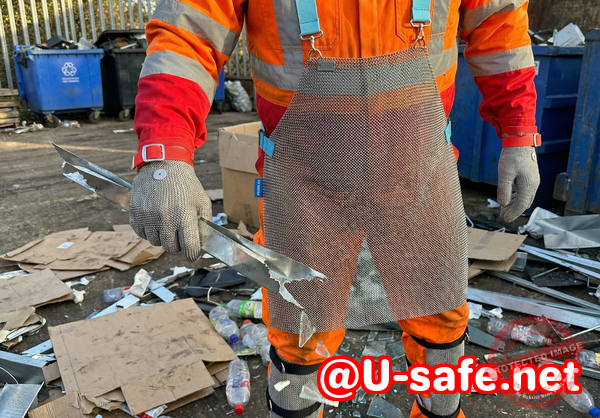
I’ve been there myselfdebating between different chainmail pieces, unsure if I’m making a safe, durable, and worthwhile investment. And if you’re like me, you probably don’t want to waste your hard-earned money on flimsy or unsafe chainmail. So, I’m here to break down exactly what to look for when evaluating steel chainmail, specifically focusing on high-quality, reliable protection that will keep you safe and ensure your purchase is worth it.
Understanding Chainmail: Quality and Durability Matter
Chainmail isn’t just for cosplay or medieval reenactments; it’s also used in industries like food processing and high-risk environments for cut protection. That’s why it’s crucial to understand how to evaluate a chainmail product. A quick online search can bring up a lot of options, but how can you distinguish between high-quality pieces and low-quality, potentially dangerous ones? Let’s dive into some of the common pain points buyers face and how you can overcome them with the right knowledge.
Common Chainmail Pitfalls and How to Avoid Them
-
Welded Rings vs. Open Rings: How to Tell the Difference
One of the first things you’ll want to check is whether the rings in the chainmail are welded or open. This is a crucial difference for durability and strength. Open rings, though cheaper to produce, often have gaps in the weave that can break under stress. On the other hand, welded ringswhere the ends of the rings are fused togetherare far stronger and more durable.
Here’s a simple test to check the rings: Gently pull apart the chainmail and see if any rings separate. If they do, it’s likely an open-ring design, which isn’t ideal for protective purposes. High-quality chainmail, like the Aegimesh Chainmail, uses welded rings to ensure strength and longevity.
-
Stainless Steel Grades: 304 vs. 316
Not all stainless steel is created equal. While both grades (304 and 316) are corrosion-resistant, 316 offers superior protection against rust, making it a better choice for environments with high moisture or salt exposure, such as food processing. 304 stainless steel is still durable and commonly used for decorative or light-use chainmail, but it may not stand up as well to harsh conditions.
The difference between these two grades may not always be obvious at first glance, but you can often find this information listed on product descriptions or ask the seller directly. Make sure you choose the grade that suits your intended use. For instance, if you’re planning to wear the chainmail for industrial or outdoor work, go for 316 stainless steel. For cosplay or historical replicas, 304 might suffice.
-
Wire Thickness and Ring Diameter
A key feature of high-quality chainmail is the thickness of the wire used and the diameter of the rings. These two factors affect both the strength and flexibility of the chainmail. Thicker wire and smaller ring diameters generally make for stronger, more durable chainmail, but it can also add to the weight, which may be a consideration for certain uses, like cosplay.
For example, Aegimesh Chainmail offers a solid balance between weight and protection, making it suitable for both industrial and decorative purposes. If you’re unsure about wire thickness or ring diameter, don’t hesitate to ask the manufacturer for specifics before purchasing.
-
Weave Patterns: European 4-in-1 vs. Other Designs
The weave pattern is a critical element of chainmail construction. The most common and widely used pattern is the European 4-in-1, where each ring is woven through four others. This creates a tight, durable weave that is ideal for protecting against cuts and impacts.
When evaluating chainmail, check the weave pattern closely. If it looks too loose or inconsistent, it could compromise the protection it provides. Aegimesh uses the European 4-in-1 weave to ensure maximum strength and durability for a variety of uses, from food processing to historical reenactments.
Inspecting Chainmail: Practical Tips for Buyers
Now that we’ve covered the key elements of chainmail quality, let’s go over some simple, practical steps you can take to inspect your potential purchase.
-
Perform a Pull Test
A pull test is one of the easiest ways to check for durability. Gently pull on the rings at various points of the chainmail. If any rings come loose or separate, the quality is likely subpar. High-quality, welded-ring chainmail should remain intact under moderate tension.
-
Check for Signs of Corrosion
Even stainless steel can corrode if it’s not properly maintained. Check for any signs of rust or discoloration, particularly if the chainmail has been exposed to moisture or salt. If you spot any corrosion, the chainmail may not be as durable as advertised.
-
Determine the Appropriate Chainmail for Your Needs
Different types of chainmail serve different purposes. For instance, if you’re looking for chainmail for cosplay, aesthetic qualities like shine and historical accuracy may be your top priorities. But if you need chainmail for industrial use, the focus should be on strength, durability, and cut resistance. Aegimesh provides chainmail for a wide range of uses, ensuring that whether you’re dressing for a costume or protecting yourself in a hazardous work environment, you’ll find the right product.
-
Evaluate Overall Craftsmanship
Look for any irregularities in the weave or construction. High-quality chainmail should have a consistent pattern, evenly spaced rings, and no loose threads. If the craftsmanship feels off or looks rushed, it’s best to walk away from that purchase.
Why Proper Chainmail Inspection Matters
Properly inspecting chainmail before making a purchase ensures that you’re getting a product that meets both your expectations and safety standards. Whether you’re looking for protection in an industrial setting, durability for food handling, or an aesthetic piece for cosplay, taking the time to evaluate the chainmail will save you money in the long run and keep you safe.
Conclusion: Make an Informed Choice for Reliable Protection
When shopping for chainmail, it’s essential to know what to look forwelded rings, the right stainless steel grade, appropriate wire thickness, a consistent weave pattern, and solid craftsmanship. By following these inspection steps, you can confidently choose chainmail that will provide the protection you need, whether for professional use or personal enjoyment.
I highly recommend taking the time to perform these checks before making any chainmail purchase. Not only will you avoid unsafe or low-quality products, but you’ll also ensure you get a durable, reliable piece of gear that serves you well for years to come.
Learn more about identifying high-quality chainmail products: Aegimesh Chainmail Inspection Guide.
FAQ
How can I tell if a chainmail ring is welded or open?
Look closely at the rings. If the ends of the rings are fused together, they are welded. Open rings will show visible gaps where the ends don’t meet.
Which stainless steel grade is best for long-lasting chainmail?
For maximum durability and resistance to corrosion, 316 stainless steel is the best choice. It holds up better in moist or salty environments compared to 304 steel.
How do I inspect the weave pattern for strength?
Look for a consistent, tight weave with no loose or uneven rings. The European 4-in-1 weave is a strong, reliable pattern for cut resistance and durability.
What are the signs of low-quality or unsafe chainmail?
Signs include rust, loose rings, inconsistent weaves, and poorly constructed welds. Always check the product’s material and craftsmanship closely.
Can decorative chainmail be used for protective purposes?
It depends on the quality and construction. Decorative chainmail may look nice but may not offer the same level of protection as industrial-grade chainmail.
How do I choose the right chainmail for industrial vs cosplay use?
For industrial use, focus on durability, weld quality, and cut resistance. For cosplay, aesthetic qualities and historical accuracy may be more important, though strength should still be a consideration.
Where can I buy high-quality chainmail?
Check out Aegimesh’s full range of chainmail products to find reliable, durable options for a variety of needs.
Tags/Keywords
chainmail quality, welded rings, stainless steel chainmail, cut-resistant chainmail, chainmail inspection, European 4-in-1 weave, Aegimesh chainmail




 한국어
한국어  Русский
  Deutsch
  العربية