


Slicing, Deboning, Chopping One Glove Does It All
Slicing, Deboning, Chopping One Glove Does It All
When I first started looking for chainmail gloves for my kitchen and workshop, I quickly realized it wasn’t as simple as picking the first shiny pair I found online. I wanted something that could handle slicing, deboning, and chopping without worrying about safety or wear and tear. But distinguishing high-quality, cut-resistant chainmail from decorative or poorly made versions was a challenge I hadn’t anticipated. From flimsy rings that could snap under pressure to gloves that rusted after a few uses, the market is full of potential pitfalls. That’s why I’ve put together a comprehensive guide to evaluating chainmail qualityso you can make informed purchases that last.
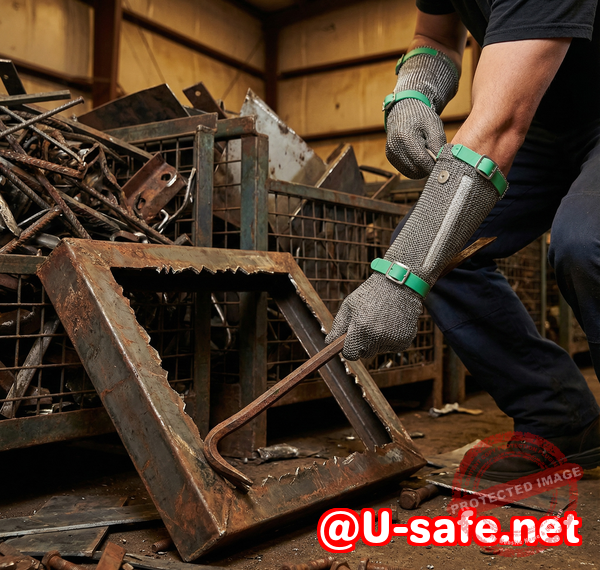
Common Pain Points in Evaluating Chainmail
Buying chainmail isn’t like grabbing a set of kitchen knives; a lot of subtle details determine whether a piece is genuinely safe and durable. Over the years, I’ve noticed a few recurring issues that trip up buyers:
1. Confusing welded rings with open rings
One of the most common mistakes is assuming that all rings in a chainmail weave are welded. Open rings might look secure at first glance, but they can separate under pressure, leading to serious accidents in food processing or industrial use.
2. Uncertainty about stainless steel grades and corrosion resistance
Not all stainless steel is created equal. A glove made from 304 stainless steel can resist corrosion reasonably well, but 316 stainless steel offers superior resistance in harsh, wet, or salty environments. Many buyers don’t realize the importance of checking the steel grade before purchase.
3. Weak or inconsistent weaves
The weave patternlike the classic European 4-in-1directly affects durability. Poorly executed weaves or inconsistent tension can create weak spots that compromise safety, especially when handling sharp tools.
How Aegimesh Chainmail Helps
This is where Aegimesh Chainmail really stands out. Their guide and inspection tool provide clear, step-by-step instructions to evaluate chainmail quality, whether you’re a collector, cosplayer, or professional handling meat or sharp equipment daily. Here’s what I’ve learned from using their system.
Step-by-Step Inspection Guide
1. Check the material type
-
Look for the stainless steel grade: 304 for general use and food handling, 316 for environments prone to moisture, salt, or chemicals.
-
Ask sellers for certification or markings if the grade isn’t clearly stated.
2. Inspect ring welding
-
Each ring should be fully welded with no gaps.
-
Perform a simple pull test: gently tug a few rings from different sections. Open rings will separate or deform, while welded rings stay secure.
-
Under bright light, inspect the seam; it should be uniform and flush with the ring surface.
3. Evaluate wire thickness and inner diameter
-
Thicker wire usually equals stronger protection, but comfort and flexibility also matter.
-
Inner diameter affects how rings overlap. Too large, and the weave can snag; too small, and it can feel stiff. A balanced European 4-in-1 weave achieves both flexibility and strength.
4. Examine weave consistency
-
A well-made chainmail glove has evenly spaced rings and tension across the entire weave.
-
Run your fingers over the surface; bumps or loose rings indicate low-quality craftsmanship.
-
Check edges and seams, especially for gloves, where weak points are most likely to fail.
5. Look for signs of corrosion or poor finishing
-
Any discoloration, rough edges, or flaking indicates subpar materials or poor finishing.
-
Stainless steel should maintain a consistent shine without obvious rust spots.
Benefits of Proper Chainmail Inspection
Performing these checks may sound like extra work, but it pays off. Here’s why:
-
Safety first: Avoid gloves or chainmail that could fail mid-use, protecting yourself and your team from cuts.
-
Durability: High-quality chainmail lasts for years, whether in a busy kitchen, workshop, or during cosplay events.
-
Cost savings: Identifying low-quality products before purchase prevents wasted money on replacements or repairs.
-
Peace of mind: Knowing the steel grade, weld integrity, and weave pattern allows you to use the gloves with confidence.
Practical Tips and Real-World Examples
Pull Test Example:
While testing a pair of chainmail gloves in my kitchen, I grabbed a small section of rings and applied moderate pressure. The weaker glove’s rings opened instantly, while my Aegimesh gloves remained secure. This simple test can prevent accidents before you even start using the chainmail.
Checking for corrosion:
After a few months in a high-humidity environment, my older gloves developed small rust spots near seams. Aegimesh gloves, made of 316 stainless steel, showed no signs of rust. It reminded me that material grade isn’t just marketingit makes a real difference in everyday durability.
Determining the right type for your use:
-
Industrial/food processing: Prioritize 316 stainless steel with tightly welded rings and a European 4-in-1 weave.
-
Cosplay or decorative: Comfort and flexibility can matter more, but avoid entirely open rings that could snag or break.
-
Historical replicas: Seek authenticity with accurate weaves, but don’t compromise on ring welding or thickness.
Choosing the Right Chainmail for Your Needs
Selecting the correct chainmail starts with understanding your intended use. I’ve learned the hard way that a glove suitable for cosplay might be disastrous in a meat-processing scenario. Consider:
-
Cut resistance: For slicing and chopping tasks, welded rings with thick wire and tight weaves are non-negotiable.
-
Corrosion resistance: If your chainmail sees frequent contact with moisture or salt, 316 stainless steel is worth the investment.
-
Weave pattern: European 4-in-1 is versatile and widely regarded for its strength and flexibility.
Conclusion
After years of testing and handling different chainmail products, I can confidently say that inspecting welds, wire thickness, ring diameter, and weave consistency is the best way to ensure quality. I highly recommend following these steps to ensure any chainmail purchase meets safety and durability standards.
For anyone looking to make a smart purchase, learn more about identifying high-quality chainmail products here: Aegimesh Chainmail. Check out our detailed chainmail inspection guide today and invest in gloves or armor that truly deliver.
FAQ
1. How can I tell if a chainmail ring is welded or open?
Check the seam under bright light. Welded rings are fully closed with no gaps. A gentle pull test can also reveal open rings.
2. Which stainless steel grade is best for long-lasting chainmail?
316 stainless steel is ideal for wet or harsh environments; 304 stainless steel works for general use and dry conditions.
3. How do I inspect the weave pattern for strength?
Look for a European 4-in-1 weave with consistent tension, evenly spaced rings, and no gaps. Run your fingers across to detect uneven spots.
4. What are the signs of low-quality or unsafe chainmail?
Open rings, inconsistent weaves, thin wire, rough edges, or visible rust indicate subpar quality.
5. Can decorative chainmail be used for protective purposes?
Only if it has welded rings, proper stainless steel, and tight weaves. Most decorative chainmail is unsafe for industrial or kitchen use.
6. How do I choose the right chainmail for industrial vs cosplay use?
Industrial use prioritizes safety, weld integrity, and corrosion resistance. Cosplay may focus on comfort and authenticity, but avoid fragile rings.
7. What simple tests can I perform to check chainmail durability?
-
Pull test for weld integrity.
-
Flex the weave to detect weak spots.
-
Inspect visually for corrosion or uneven rings.
Tags/Keywords: chainmail quality, welded rings, stainless steel chainmail, cut-resistant chainmail, chainmail inspection, European 4-in-1 weave, steel metal chainmail durability, chainmail gloves, industrial chainmail, cosplay chainmail
This blog post offers practical guidance, real-world examples, and actionable steps to evaluate chainmail before purchaseperfect for professionals, collectors, and enthusiasts alike.





 한국어
한국어  Русский
  Deutsch
  العربية