


Ring Mesh Mesh Boning Aprons The Secret to Lasting Protection
Ring Mesh Boning Aprons: The Secret to Lasting Protection
When you’re in the market for high-quality chainmail, whether for industrial safety or cosplay, it can be tough to know exactly what you’re buying. After all, not all chainmail is created equal. The difference between high-quality, durable chainmail and weak, decorative imitations can mean the difference between safety and injury or between a good investment and a waste of money.
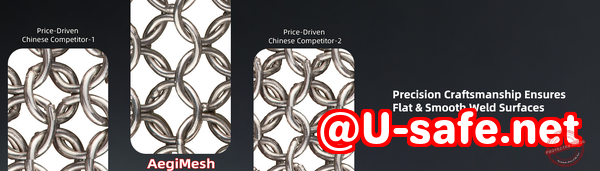
This is especially true when you’re looking for chainmail for specific useslike industrial cut protection, food processing, or historical reenactments. You want something that won’t let you down when you need it most. But how can you tell what’s really worth your money?
If you’ve ever struggled with making sure you’re getting the best chainmail for your needs, you’re not alone. Today, we’re going to walk you through how to identify high-quality chainmail, using Aegimesh Chainmail as a helpful reference. By the end of this article, you’ll have the tools and knowledge to evaluate chainmail like a prowhether you’re a buyer, collector, or industrial user.
Common Problems When Evaluating Chainmail Quality
Here’s the thing: chainmail can look pretty similar on the surface, but the quality can vary drastically. So, how do you distinguish high-quality chainmail from the low-grade stuff? There are a few common pain points that many buyers face, which can make the whole process a little intimidating. Let’s break these down.
1. Welded vs. Open Rings: Why It Matters
One of the first things you’ll want to check when evaluating chainmail is whether the rings are welded or open. Why? Well, welded rings are far more durable and secure than open rings. Open rings are less reliable because they can easily come apart under stress, leaving gaps in your protective armor.
How to spot the difference:
-
Welded rings: If you look closely, you should see a tiny seam where the ends of the ring have been welded together. These are stronger and safer, especially in industrial settings.
-
Open rings: These look like a regular circle, with no welded seam. They are generally weaker and less reliable for cut protection or heavy-duty use.
If you’re buying chainmail for industrial applications, it’s crucial to go for welded rings. For cosplay or decorative pieces, open rings might suffice, but they won’t offer much protection.
2. Understanding Stainless Steel Grades
Another challenge is understanding the different types of stainless steel used in chainmail. Two of the most common types are 304 and 316 stainless steel. The problem is, many buyers are unsure which one to choose or even what the difference is between them.
304 Stainless Steel:
This is the most commonly used stainless steel. It’s a bit less resistant to corrosion than 316, but it’s perfectly fine for dry environments, decorative use, or non-exposed areas. If you’re using chainmail for something like cosplay or lightweight protection, 304 could be a good choice.
316 Stainless Steel:
This type of stainless steel is more corrosion-resistant and is a better option for environments that involve moisture or harsh chemicals. It’s especially useful in industrial settings or food processing where durability and cleanliness are a priority.
How to check the material:
-
Look at the product description (Aegimesh Chainmail offers clear details about the materials used).
-
Ask the seller about the stainless steel grade if it’s not listed.
3. Weak Weaves and Poor Craftsmanship
The weave pattern of chainmail is just as important as the type of steel used. A poor weave can compromise the overall strength and durability of the chainmail. The most popular and strong weave for chainmail is European 4-in-1, which means four rings connect to one central ring in a consistent pattern. This creates a very sturdy and reliable structure.
How to spot weak weaves:
-
Look at how tightly the rings are woven. If you can easily separate them with your fingers, the weave is likely too loose.
-
Check for any signs of irregularities, like inconsistent ring sizes or patterns. These could signal poor craftsmanship.
Chainmail with a European 4-in-1 weave will provide excellent protection and will hold up to industrial demands. If you’re buying chainmail for cosplay, historical replicas, or any purpose requiring durability, make sure you’re getting a reliable weave pattern.
How to Inspect Chainmail: Step-by-Step Guide
Now that we’ve covered some common pain points, let’s dive into how to inspect chainmail for quality. Here’s a simple, step-by-step guide to follow when evaluating your chainmail purchase.
1. Material Inspection: Look for Stainless Steel Quality
The first step in inspecting chainmail is to check the material. Is it made of stainless steel? And if so, is it high-quality stainless steel like 304 or 316? Chainmail made from high-grade stainless steel will resist corrosion, stand up to wear and tear, and last much longer than lower-quality materials.
2. Ring Welding: Check for Welded or Open Rings
As mentioned earlier, welded rings are essential for durability and protection. If you can see a visible weld seam on each ring, you’re likely looking at a high-quality product. Open rings are a sign of lower-quality chainmail and should be avoided for safety-critical applications.
3. Ring Thickness and Inner Diameter: Don’t Overlook the Details
Check the wire thickness of the rings. Thicker wire will make for a stronger chainmail, while thinner wire may bend or break more easily. Also, ensure the inner diameter of the rings is consistent, as irregular sizes can weaken the weave and cause it to fail under stress.
4. Test the Weave: Pull Test
One quick way to test the strength of the chainmail is to perform a simple pull test. Grab a few rings in your hand and pull gently but firmly. If the rings come apart or shift significantly, the weave isn’t strong enough for serious use.
5. Corrosion Resistance: Look for Signs of Rust or Pitting
Examine the chainmail for any signs of rust, corrosion, or pitting. If you see these, it’s a clear indication that the material is not up to standard. Stainless steel chainmail should be free of corrosion, especially if it’s made from a higher-grade stainless steel like 316.
Why Proper Chainmail Inspection Matters
Proper inspection isn’t just about ensuring you get your money’s worthit’s also about safety. If you’re buying chainmail for industrial use, food handling, or protective purposes, the wrong product can put you or others at risk.
By inspecting the material, welds, weave patterns, and corrosion resistance, you can avoid purchasing low-quality chainmail that might not perform when you need it most. For instance, improperly welded rings can break under pressure, leaving you unprotected. Poorly woven or thin chains can tear, exposing you to sharp objects or cutting hazards.
Conclusion: Make Informed Choices with Aegimesh Chainmail
I highly recommend following the steps outlined above to inspect your chainmail before making a purchase. Whether you’re buying for industrial purposes, cosplay, or a collector’s item, understanding how to evaluate chainmail will ensure you get a product that meets safety and durability standards.
If you’re looking for top-notch chainmail that’s built to last, be sure to check out Aegimesh Chainmail. Their guide and inspection tool provide all the resources you need to identify quality chainmail that suits your needs. Don’t risk your safety or moneymake sure your chainmail investment is the best it can be.
Learn more about identifying high-quality chainmail products: https://www.aegimesh.com/
FAQ
1. How can I tell if a chainmail ring is welded or open?
Look for a tiny weld seam where the ends of the ring meet. If the ring has a visible seam, it’s welded. If it’s a continuous circle, it’s open.
2. Which stainless steel grade is best for long-lasting chainmail?
316 stainless steel is the best for long-lasting, corrosion-resistant chainmail, especially for industrial or food processing use. For decorative or cosplay purposes, 304 stainless steel can suffice.
3. How do I inspect the weave pattern for strength?
Look for a consistent European 4-in-1 weave pattern, where each ring is connected to four others in a sturdy, interlocking pattern. The tighter the weave, the stronger the chainmail.
4. What are the signs of low-quality or unsafe chainmail?
Signs include open rings, poor welding, rust, inconsistent ring sizes, or a loose weave. These can compromise durability and safety.
5. Can decorative chainmail be used for protective purposes?
Decorative chainmail, especially with open rings or thin wire, may not provide sufficient protection for industrial or food-handling purposes. It’s more suited for cosplay or display.
6. How do I choose the right chainmail for industrial vs. cosplay use?
For industrial use, opt for welded rings made from high-grade stainless steel (316) and a tight, strong weave. For cosplay, open rings and a European 4-in-1 weave can be sufficient for display purposes.
Tags or Keywords
chainmail quality, welded rings, stainless steel chainmail, cut-resistant chainmail, chainmail inspection, European 4-in-1 weave




 한국어
한국어  Русский
  Deutsch
  العربية