


Cut-Resistant Chainmail The Stainless Steel Advantage
Cut-Resistant Chainmail: The Stainless Steel Advantage
When it comes to buying chainmail, whether for industrial use, cosplay, or as a collectible, there’s one problem that consistently comes up: how do you know which products are actually high quality? This question can be especially challenging when you’re faced with a wide range of options online, many of which claim to offer superior durability or safety. But how can you be sure that the chainmail you’re investing in will hold up to the task, whether you’re using it for personal protection, display, or anything in between?
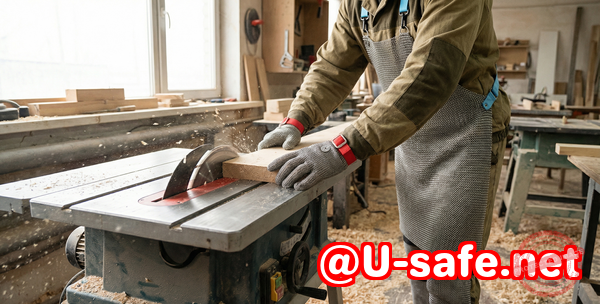
In this guide, I’ll walk you through the steps to help you evaluate the quality of chainmail before you make a purchase. From distinguishing welded rings from open rings to choosing the right stainless steel grade, you’ll learn practical tips that will save you from buying low-quality or unsafe products. Let’s dive into the details and ensure that your next chainmail purchase meets the highest standards of durability and safety.
Common Pain Points in Evaluating Chainmail
Before you start inspecting chainmail, it’s important to understand the most common issues that buyers face when evaluating its quality. These are the problems I’ve encountered firsthand, and I’ll share tips on how you can avoid them:
-
Difficulty Distinguishing Welded Rings from Open Rings
One of the first things you’ll notice when looking at a piece of chainmail is the rings. Are they welded shut, or are they open? It can be tough to tell just by looking, but knowing the difference is crucial, especially when you need reliable protection.
-
Uncertainty About Stainless Steel Grades
Not all stainless steel is created equal. The two most commonly used grades for chainmail are 304 and 316, but how can you tell which one you have? Stainless steel grade directly impacts the material’s strength and resistance to corrosion, so it’s vital to know the difference.
-
Weak or Inconsistent Weaves
The weave pattern is another critical factor in chainmail quality. A good, strong weave can make all the difference when it comes to durability. You’ll want to inspect the weave pattern carefully to make sure it’s tight and uniform, ensuring that the chainmail can stand up to wear and tear over time.
The Aegimesh Chainmail Inspection Guide
When buying chainmail, I recommend following these simple steps to ensure you get a high-quality product that meets your needs. Let’s break it down:
1. Material Type Choose the Right Stainless Steel
The first thing you should check is the material. Stainless steel is the most common material used in chainmail, and it’s available in several grades. The two most common are 304 stainless steel and 316 stainless steel.
-
304 Stainless Steel: While 304 is resistant to rust and corrosion, it’s not the most durable option for environments exposed to extreme moisture or salty conditions. It’s good for general applications, but if you’re in a high-risk environment, 304 may not be your best choice.
-
316 Stainless Steel: This is the superior option. It’s more corrosion-resistant than 304, especially in environments with high moisture, such as food processing or outdoor activities. If you’re buying chainmail for industrial use, 316 is the way to go.
Look for a product description that clearly states which grade of steel is used. If it’s not mentioned, consider reaching out to the seller before making a purchase.
2. Inspect the Rings Welded vs. Open
The rings that make up the chainmail are one of the most important aspects of its quality. To tell if the rings are welded or open, simply examine the edges of the rings closely.
-
Welded Rings: These rings are fused shut, creating a stronger connection and increasing the chainmail’s durability. They’re especially important for cut-resistant chainmail, as the weld prevents the rings from opening under pressure.
-
Open Rings: These are typically less durable, and the rings can separate under stress, which compromises the integrity of the chainmail.
To test the rings, try pulling on them. Welded rings will stay intact, while open rings might begin to separate.
3. Check the Wire Thickness and Inner Diameter
The wire thickness and the inner diameter of the rings also contribute to the strength and durability of chainmail. When it comes to industrial use, thicker wire is generally preferred as it offers greater resistance to cutting.
-
Wire Thickness: The thicker the wire, the stronger the chainmail will be. For industrial or heavy-duty applications, look for wire that is at least 16 gauge.
-
Inner Diameter: The inner diameter of the rings also plays a role in the chainmail’s effectiveness. A larger diameter means the weave will be looser and less protective, while smaller diameters provide tighter, more durable weaves.
Use a simple ruler or caliper to measure the thickness of the wire and the inner diameter of the rings. You can also check for this information in the product specifications.
4. Evaluate the Weave Pattern
One of the most popular and effective weave patterns is the European 4-in-1 weave. This pattern involves each ring passing through four others, creating a balanced and sturdy structure.
To inspect the weave:
-
Look for a uniform pattern where each ring is interwoven consistently.
-
Avoid chainmail with irregular or loose weaves, as this can compromise its protective qualities.
For protective uses like food handling or industrial work, the European 4-in-1 weave is highly recommended due to its strength and flexibility.
The Benefits of Proper Chainmail Inspection
Taking the time to inspect chainmail before you buy has several key benefits:
-
Avoiding Unsafe Products: Low-quality chainmail can fail in critical situations, such as when used for industrial cut protection or food processing. By inspecting material, welds, and weave, you can avoid purchasing products that may not protect you adequately.
-
Ensuring Durability: Quality chainmail is a long-term investment. With proper inspection, you can ensure the durability of your purchase, whether you’re using it for cosplay, historical reenactments, or industrial purposes.
-
Saving Money: Identifying low-quality chainmail before purchase will save you from spending money on products that will fail over time, reducing the need for replacements.
Practical Tips for Inspecting Chainmail
Here’s a quick checklist to help you evaluate chainmail in person:
-
Pull Test: Gently tug at the rings to check if they’re welded shut or open.
-
Look for Signs of Corrosion: Check the rings for rust or discoloration, which could be a sign of poor material or exposure to moisture.
-
Weave Consistency: Examine the weave for irregularities, and check the strength of the weave by gently pulling on the chains to see if they shift.
-
Ring Integrity: Ensure the rings are firmly connected and won’t open with minimal pressure.
Conclusion: My Recommendation for Quality Chainmail
After using and inspecting chainmail products for several years, I highly recommend following these steps to ensure your chainmail purchase meets safety and durability standards. By focusing on the material type, welds, wire thickness, and weave patterns, you can easily distinguish between high-quality and low-quality chainmail.
If you’re looking for reliable, cut-resistant chainmail for industrial use, food processing, cosplay, or even historical reenactments, Aegimesh offers a comprehensive inspection guide to help you make an informed choice. Don’t settle for imitationscheck out our detailed chainmail inspection guide today.
FAQ
-
How can I tell if a chainmail ring is welded or open?
Check the edges of the rings. Welded rings are fused shut, while open rings have a gap.
-
Which stainless steel grade is best for long-lasting chainmail?
For maximum durability and corrosion resistance, opt for 316 stainless steel, especially for industrial or food-handling applications.
-
How do I inspect the weave pattern for strength?
Look for a consistent, uniform weave where each ring passes through four others. The European 4-in-1 weave is ideal for strength.
-
What are the signs of low-quality or unsafe chainmail?
Watch for loose rings, inconsistent weaving, and signs of corrosion. Low-quality chainmail may also be made from inferior steel grades.
-
Can decorative chainmail be used for protective purposes?
Decorative chainmail is usually weaker and may not provide adequate protection. For protective purposes, look for industrial-grade chainmail made from welded rings and durable steel.
-
How do I choose the right chainmail for industrial vs cosplay use?
For industrial use, prioritize welded rings, thicker wire, and a tight weave like European 4-in-1. For cosplay, the emphasis may be more on appearance, but durability should still be considered.
-
Why is inspecting chainmail important before purchase?
Proper inspection ensures the chainmail meets your needs, whether for safety, durability, or aesthetic appeal, and helps avoid low-quality or unsafe products.
Keywords: chainmail quality, welded rings, stainless steel chainmail, cut-resistant chainmail, chainmail inspection, European 4-in-1 weave.




 한국어
한국어  Русский
  Deutsch
  العربية