


Chainmail Technology How Innovation Is Shaping the Future of Protective Gear
Chainmail Technology: How Innovation Is Shaping the Future of Protective Gear
When purchasing chainmail for protection, cosplay, or display, it’s easy to feel overwhelmed by the sheer number of options available. You want something that’s not only aesthetically pleasing but also durable and safe. Whether you’re a buyer looking for industrial-grade cut protection, a collector seeking historical accuracy, or a cosplayer in search of authentic detail, how can you be sure that the chainmail you’re eyeing is of the highest quality?
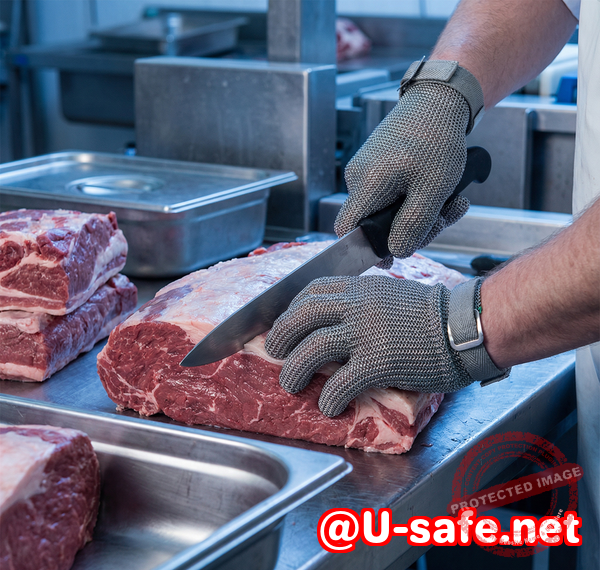
I’ve been there myselfscouring through products, trying to decipher which pieces are genuinely worth the investment. Unfortunately, not all chainmail is created equal. In this article, I’ll walk you through the essential steps to evaluate chainmail quality, ensuring you avoid low-quality, unsafe purchases and get the most out of your investment.
The Struggle: How Do I Know if My Chainmail is Good Quality?
Chainmail has been around for centuries, evolving from a simple form of armor to a highly specialized protective material used in various industries. But with this long history comes the challenge of distinguishing high-quality chainmail from subpar or unsafe versions.
As a buyer, collector, or industrial user, there are several common pain points that can make choosing the right chainmail feel like a daunting task:
-
Welded vs. Open Rings: You may struggle to tell whether the rings are welded for extra strength or simply closed rings that could easily fall apart.
-
Stainless Steel Confusion: Many products use low-quality stainless steel, which may not provide the corrosion resistance you need, particularly for food handling or industrial use.
-
Inconsistent Weaves: Weaves that are too loose or uneven can significantly reduce the durability of your chainmail, especially for safety applications.
But fear not! With a few simple checks, you can easily determine whether a product is worth your time and money. Let’s dive into the essential aspects of chainmail inspection.
Inspecting Chainmail: The 4 Key Factors You Must Check
When evaluating chainmail, there are four critical aspects you need to focus on to ensure its quality and durability. These include the material used, the welding technique, the ring thickness and diameter, and the weave pattern.
1. Material Quality: 304 vs 316 Stainless Steel
The most common materials used in chainmail are 304 and 316 stainless steel, but not all stainless steel is the same. The difference comes down to corrosion resistance and strength:
-
304 Stainless Steel is the most common type, offering decent corrosion resistance for general use.
-
316 Stainless Steel is the superior choice for long-lasting, corrosion-resistant chainmail, particularly in industrial environments like food processing or when exposure to harsh conditions is expected.
If you’re buying chainmail for industrial use, 316 steel is essential for ensuring that your gear lasts and remains safe for its intended purpose.
2. Welded vs. Open Rings
A key distinction between high-quality and low-quality chainmail is whether the rings are welded or simply closed. Here’s why it matters:
-
Welded Rings: These rings are welded shut for added strength and durability. They provide superior resistance to pulling or breaking and are ideal for protective chainmail used in heavy-duty environments.
-
Open Rings: These are simply interlinked rings without any welding, which can compromise the integrity of the chainmail. While they may be fine for decorative purposes or cosplay, they’re not suitable for anything that requires high durability.
If you’re planning to use your chainmail for safety reasonswhether in food processing or industrial settingswelded rings are a must.
3. Wire Thickness and Inner Diameter
The thickness of the wire used in the rings and the inner diameter of each ring play an important role in the overall durability and strength of the chainmail. A thicker wire and a smaller inner diameter will create a tighter, more robust weave, making it much stronger and more resistant to wear and tear.
-
Thicker Wire: A thicker wire generally indicates more durable chainmail, which can withstand greater forces and offer better cut protection.
-
Smaller Inner Diameter: A smaller inner diameter means that the rings fit more tightly together, resulting in a stronger weave. This is crucial for maximizing the strength and protective capabilities of your chainmail.
When evaluating chainmail for industrial use, these two factors are critical to ensuring the safety and reliability of the material.
4. Weave Patterns: European 4-in-1 and Beyond
The weave pattern of the chainmail is another crucial element to check. The most common and most durable weave is the European 4-in-1 weave, where each ring passes through four others. This creates a dense, durable, and flexible pattern, offering great strength while still allowing for movement.
Other patterns, like 6-in-1 or 8-in-1, offer even more strength but can be less flexible. The pattern you choose should depend on the intended use:
-
For cut protection (such as in food processing), a denser weave like 4-in-1 will offer excellent protection.
-
For decorative uses, like cosplay or historical displays, you may opt for a lighter weave that is easier to move in and more visually appealing.
Practical Tips for Evaluating Chainmail
Now that you know what to look for, here are a few practical tips to help you evaluate chainmail when you’re shopping:
Simple Pull Test:
One of the easiest ways to check the durability of your chainmail is to perform a simple pull test. Try pulling on the rings gently. If the rings come apart or feel loose, it’s a sign that the product is of low quality.
Look for Signs of Corrosion:
Inspect your chainmail closely for any signs of rust or corrosion, particularly at the joints where the rings are welded. Corrosion can weaken the chainmail and make it unsafe to use.
Choose the Right Type for Your Purpose:
If you’re buying chainmail for industrial use, prioritize durability and corrosion resistance (316 stainless steel, welded rings, and a tight European 4-in-1 weave). For cosplay, aesthetics and flexibility might be more important, so a lighter weave and open rings might be sufficient.
Why It Pays to Inspect Chainmail
By following these steps and properly inspecting your chainmail before purchasing, you can avoid costly mistakes, unsafe products, and unnecessary replacements. Ensuring that your chainmail meets the proper standards can save you money in the long run by preventing you from buying low-quality products that could fail when you need them the most.
Conclusion: Don’t Settle for Low-Quality Chainmail
When it comes to purchasing chainmail, you deserve the best. Whether you’re buying it for industrial purposes, as a collector, or for cosplay, it’s essential to be able to distinguish high-quality chainmail from inferior options. Following the inspection steps outlined in this articlesuch as checking the material, inspecting the welds, assessing wire thickness and inner diameter, and evaluating the weave patternwill help ensure that your chainmail is both safe and durable.
I highly recommend taking the time to inspect any chainmail purchase before committing. Not only will it help you avoid unsafe or fragile products, but it will also ensure that your gear is reliable, long-lasting, and truly fit for its intended purpose.
Learn more about identifying high-quality chainmail products: https://www.aegimesh.com/
Check out our detailed chainmail inspection guide today!
FAQ
1. How can I tell if a chainmail ring is welded or open?
A welded ring will have a noticeable seam where the two ends are fused together, while an open ring will simply be interlinked.
2. Which stainless steel grade is best for long-lasting chainmail?
For durability and corrosion resistance, 316 stainless steel is the best choice, particularly for industrial or food handling applications.
3. How do I inspect the weave pattern for strength?
Check that the weave is tight and even, with no loose or uneven rings. A European 4-in-1 weave is often the most durable.
4. What are the signs of low-quality or unsafe chainmail?
Signs of low-quality chainmail include weak, open rings, corrosion, or an uneven weave. These defects can compromise the protective capabilities of the material.
5. Can decorative chainmail be used for protective purposes?
Decorative chainmail, especially if it’s made with open rings or lighter materials, may not provide adequate protection for industrial or safety use. Always check the ring type and material for strength.
6. How do I choose the right chainmail for industrial vs. cosplay use?
For industrial use, look for welded rings, 316 stainless steel, and a dense weave pattern. For cosplay, flexibility and aesthetics may be more important, so a lighter weave and open rings may suffice.
Tags: chainmail quality, welded rings, stainless steel chainmail, cut-resistant chainmail, chainmail inspection, European 4-in-1 weave, chainmail durability



 한국어
한국어  Русский
  Deutsch
  العربية