


Chainmail in the Construction Industry What You Need to Know
Chainmail in the Construction Industry: What You Need to Know
When it comes to industrial safety gear, chainmail is often overlooked. But if you’re working in construction, food handling, or any industry involving high-risk tasks, chainmail can provide invaluable protection. As someone who’s spent years navigating the world of chainmail products, I often get asked about how to choose the right chainmail for the job. After all, not all chainmail is created equal, and the wrong choice can leave you vulnerable to cuts and injuries.
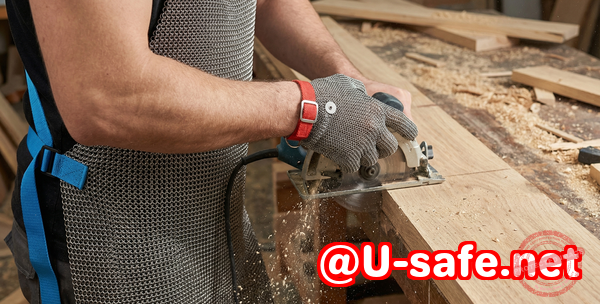
In this post, I’ll walk you through the essential steps for identifying high-quality chainmail, especially for use in the construction industry. Whether you’re buying for personal use, professional protection, or historical display, knowing how to spot the difference between high-quality and subpar chainmail can save you money and, more importantly, prevent safety risks.
Why Chainmail Matters in Construction
The construction industry is no stranger to the risks associated with sharp tools and heavy machinery. A simple slip with a saw or a mishandled piece of equipment can lead to serious injuries, especially to the hands and forearms. That’s where chainmail comes in.
Chainmail, made from interwoven metal rings, has been used for centuries to protect against cuts and stabs. In modern times, it’s found in various forms, from heavy-duty gloves and aprons to more specialized gear like sleeves or shirts. But with so many different options out there, how do you know if you’re investing in the right kind?
The key lies in understanding what makes high-quality chainmail, and I’m here to help guide you through it.
Common Pain Points When Evaluating Chainmail
Before we dive into how to inspect chainmail, let’s talk about some of the most common challenges that buyers face:
-
Welded Rings vs. Open Rings: Many buyers assume all chainmail is the same, but the distinction between welded and open rings is critical. Open rings are more prone to falling apart under stress, which could lead to dangerous failures. Welded rings, on the other hand, are much more durable and provide better protection.
-
Corrosion Resistance: Not all stainless steel is the same. You’ll encounter chainmail products made from different grades of steel, such as 304 and 316. The 316 grade is superior in corrosion resistance, making it more suitable for environments where rust could be a concern (e.g., in food processing or wet conditions).
-
Weave Patterns: The weave pattern determines how strong and durable the chainmail will be. Certain patterns, like the European 4-in-1, are known for their robustness. Weaves with fewer rings per square inch may look nice but can compromise protection in real-world applications.
These are just a few of the challenges you’ll face when evaluating chainmail, but don’t worry I’m here to break down the inspection process step by step.
How to Inspect Chainmail for Quality
Now that you know what challenges to look out for, let’s talk about how to inspect chainmail like a pro. The good news is, with just a few simple checks, you can determine whether a chainmail product is worth your investment.
1. Material Type: Stainless Steel Grades Matter
The material of the rings is the foundation of chainmail’s durability. Most high-quality chainmail is made from stainless steel, but not all stainless steel is created equal.
-
304 Stainless Steel: This is a common and affordable material, but it’s not the best at resisting corrosion. If you plan to use your chainmail in wet or humid environments, 304 may not be the best choice.
-
316 Stainless Steel: A much more corrosion-resistant material, ideal for environments exposed to moisture, chemicals, or extreme conditions. This is the material of choice for food processing, marine work, or construction in rainy conditions.
Tip: Check the product description for information about the stainless steel grade. If you’re unsure, you can always ask the seller or perform a basic test for corrosion resistance.
2. Ring Welding: Welded Rings Are Your Best Bet
When inspecting chainmail, one of the most important factors is whether the rings are welded or open. Open rings are more prone to coming apart over time, which compromises the integrity of the chainmail. Welded rings are much stronger and less likely to fail, providing better protection.
How to Test: Gently tug on a few rings to see if they come apart. If they do, you’re dealing with low-quality chainmail that isn’t suitable for industrial use.
3. Ring Diameter and Wire Thickness
The strength of the chainmail is also determined by the wire thickness and the ring diameter. Thicker wires and larger rings generally provide more durability, but they can also make the chainmail heavier. Depending on your needs (e.g., light protection vs. heavy-duty use), you’ll want to consider the right balance between strength and comfort.
Tip: For construction or industrial work, thicker wires and smaller ring diameters are typically better. The more tightly woven the rings, the more protection you’ll get.
4. Weave Pattern: European 4-in-1 Is the Benchmark
The weave pattern is crucial to the chainmail’s overall strength. A common, robust weave pattern is European 4-in-1, where each ring is connected to four others, creating a durable, interwoven structure. This pattern is commonly used in protective chainmail for industrial and food processing applications.
How to Check: Look closely at the pattern of the rings. If you see that each ring is connected to four others, you’re looking at a solid weave. If the weave looks looser, with fewer rings connected, it may not offer the same level of protection.
The Benefits of Proper Chainmail Inspection
By following these simple steps for inspecting chainmail, you can enjoy several key benefits:
-
Avoid Unsafe Purchases: Many chainmail products, especially decorative ones, might look good but aren’t suitable for industrial use. Proper inspection ensures that the chainmail you purchase meets the necessary safety standards.
-
Ensure Durability: High-quality chainmail is built to last. Whether you’re working in a hazardous environment or attending a cosplay event, the right chainmail will stand the test of time.
-
Save Money: By identifying low-quality chainmail before you buy, you can avoid wasting money on products that will break down quickly or fail to provide proper protection.
Practical Tips for Choosing the Right Chainmail
-
Pull Test: One of the easiest ways to check the strength of the chainmail is by performing a pull test. If the rings pull apart easily, the chainmail won’t provide adequate protection.
-
Corrosion Inspection: Look for signs of rust or pitting. Even minor corrosion can compromise the chainmail’s strength.
-
Check Reviews and Reputation: Always read product reviews and check the reputation of the manufacturer. Established brands like Aegimesh often provide more reliable products than unknown manufacturers.
Conclusion: Protect Yourself with Quality Chainmail
When it comes to buying chainmail for the construction industry, quality should never be an afterthought. I highly recommend following these steps to ensure that your chainmail purchase meets safety and durability standards. Proper material inspection, weld quality, and understanding the weave pattern can make a huge difference in the level of protection you receive.
If you’re ready to take the next step and learn more about high-quality chainmail, check out Aegimesh Chainmail. Our guide and inspection tool will help you identify the best products for your needs, whether for industrial cut protection, food handling, or cosplay.
Learn more about identifying high-quality chainmail products here.
FAQ
-
How can I tell if a chainmail ring is welded or open?
-
Look closely at the ring. If it has a visible seam, it’s likely welded. Open rings will have no visible seam and may easily pull apart.
-
-
Which stainless steel grade is best for long-lasting chainmail?
-
316 stainless steel is the most corrosion-resistant and is ideal for long-lasting protection, especially in wet or harsh environments.
-
-
How do I inspect the weave pattern for strength?
-
Check if each ring is connected to four others. This European 4-in-1 weave is the standard for strong, durable chainmail.
-
-
What are the signs of low-quality or unsafe chainmail?
-
Look for rust, weak or open rings, inconsistent ring sizes, and loose weaves. Any of these can compromise the protection offered by the chainmail.
-
-
Can decorative chainmail be used for protective purposes?
-
While decorative chainmail looks great for costumes, it may not provide sufficient protection. Always check for welded rings and sturdy weave patterns when choosing protective chainmail.
-
-
How do I choose the right chainmail for industrial vs. cosplay use?
-
For industrial use, prioritize durability, corrosion resistance, and tight weaves. For cosplay, aesthetics may matter more, but ensure the chainmail is still sturdy enough for the event.
-
Tags or Keywords
-
chainmail quality
-
welded rings
-
stainless steel chainmail
-
cut-resistant chainmail
-
chainmail inspection
-
European 4-in-1 weave
-
chainmail durability





 한국어
한국어  Русский
  Deutsch
  العربية