


Chainmail in Meat Processing and Butchery
Chainmail in Meat Processing and Butchery: A Buyer’s Guide to Quality and Safety
When working in meat processing and butchery, safety is always a priority. Whether you’re handling sharp knives, slicers, or other industrial tools, you need the right protective equipment to ensure your well-being. One piece of equipment that has stood the test of time is chainmail. Often used in protective clothing, chainmail helps prevent cuts and lacerations during rigorous tasks. But with so many chainmail products on the market, how can you be sure you’re getting the right one?
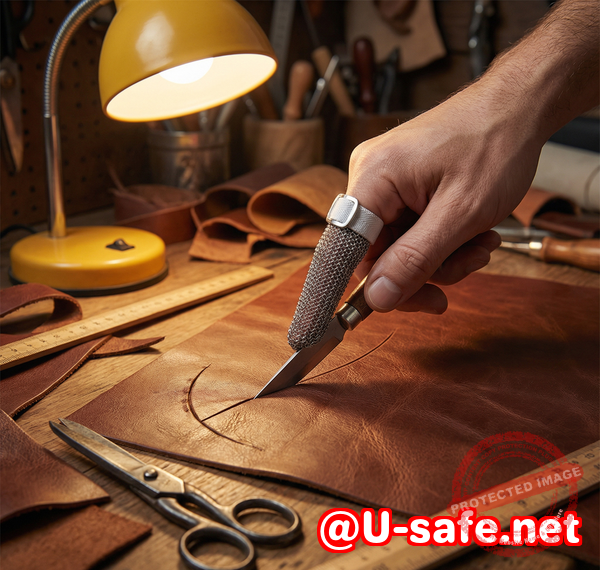
I’ve been there myself, struggling to figure out which chainmail products are the real deal. With so many variations in material, weave, and craftsmanship, it’s easy to fall for a low-quality product that looks good but doesn’t stand up to the demands of meat processing. In this guide, I’ll walk you through how to evaluate chainmail, what to look for, and how to ensure you’re investing in something that’s truly durable, safe, and effective.
Common Chainmail Issues in Meat Processing
While chainmail is widely used in the food industry for safety, it’s important to note that not all chainmail is created equal. As you might expect, low-quality chainmail can lead to serious safety risks. Here are some of the common issues that buyers face when evaluating chainmail:
-
Welded vs. Open Rings
A key difference between high-quality and low-quality chainmail is how the rings are constructed. Some products use welded rings, while others use open rings, which are less durable and prone to breakage. If you’re working in a high-risk environment like meat processing, welded rings are essential for long-lasting durability.
-
Material Quality (304 vs. 316 Stainless Steel)
Not all stainless steel is the same. There are various grades, and the two most commonly used in chainmail are 304 and 316. While 304 stainless steel is corrosion-resistant, 316 is even more resistant, making it ideal for food processing environments where moisture and acids from meats can accelerate wear and tear.
-
Inconsistent Weave Patterns
Weave patterns like European 4-in-1 are popular for their strength, but not all chainmail weaves are created to the same standard. Inconsistent weaves can weaken the structure of the chainmail, making it less effective at preventing cuts. It’s important to inspect the pattern carefully to ensure it’s uniform and tightly woven.
-
Weak Craftsmanship and Durability
Poor craftsmanship can lead to weak spots in your chainmail, and in the fast-paced, sharp-tool environment of meat processing, that’s unacceptable. Weak, poorly constructed chainmail is more prone to wear and can fail when you need it most.
How to Identify High-Quality Chainmail for Meat Processing
Evaluating chainmail is not as hard as it seems, especially when you know what to look for. Aegimesh’s chainmail inspection guide provides you with the tools to check for quality, but here are some quick tips on what to focus on:
1. Check the Material: 304 vs. 316 Stainless Steel
Stainless steel is the most common material used in chainmail, but not all grades are equal. While both 304 and 316 stainless steel are resistant to rust and corrosion, the latter is more durable and can better withstand harsh environments like meat processing.
-
304 Stainless Steel: Good for general use, corrosion-resistant, but not as durable in extreme conditions.
-
316 Stainless Steel: More resistant to corrosion, making it the better choice for environments where moisture and acids are present, like butcher shops and meat processing plants.
2. Inspect the Rings: Welded vs. Open Rings
Welded rings are the gold standard for chainmail used in industrial applications. When a ring is welded, it’s fused together at the ends, creating a more secure bond. This makes the chainmail much stronger and less prone to coming apart under stress.
-
Welded Rings: Strong, durable, and long-lasting. Ideal for industrial use.
-
Open Rings: Easier to manufacture but not as strong. Avoid these when buying chainmail for protection.
3. Evaluate the Weave Pattern: European 4-in-1
A high-quality weave pattern is one of the key factors that determine the durability and strength of chainmail. The European 4-in-1 weave, which interlinks each ring with four others, is commonly used because of its strength and flexibility.
-
European 4-in-1 Weave: The most popular and strongest pattern. It offers a balance of flexibility and protection.
-
Other Weaves: Look for tightly woven patterns that don’t show signs of looseness.
4. Inspect Ring Thickness and Inner Diameter
The thickness of the wire and the inner diameter of the rings are crucial factors in determining the effectiveness of the chainmail. Thicker wire and smaller ring diameters generally result in stronger, more protective chainmail.
-
Wire Thickness: Thicker wire increases durability but may affect flexibility.
-
Ring Diameter: A smaller inner diameter provides a more secure weave and better protection against cuts.
Why Quality Matters in Meat Processing
The importance of high-quality chainmail in meat processing cannot be overstated. In this environment, the risk of cuts and lacerations is high, and cheap chainmail can quickly fail when it’s needed most. Choosing durable, high-quality chainmail helps avoid injuries and ensures the safety of workers.
But there’s more to it than just safetypoor-quality chainmail can also affect productivity. If your protective gear is uncomfortable or breaks down quickly, it’s going to disrupt the workday. High-quality chainmail stays intact and comfortable, ensuring that workers can stay focused and safe.
Step-by-Step Guide to Inspecting Your Chainmail
Here’s a simple guide to evaluating chainmail for meat processing use:
-
Look for Welded Rings: Press on the rings and see if they move or shift. If they’re welded, you’ll notice that they won’t separate.
-
Check the Material: Ensure the material is 316 stainless steel for food processing.
-
Inspect the Weave Pattern: Look for a uniform European 4-in-1 weave. Any inconsistencies are a red flag.
-
Check the Ring Thickness: Thicker rings provide better protection.
-
Do a Pull Test: Gently tug on the chainmail. If it starts to unravel, it’s likely low-quality.
Conclusion: The Value of High-Quality Chainmail
In the world of meat processing, you need gear you can trust. Aegimesh chainmail, with its superior materials, welded rings, and consistent European 4-in-1 weave, offers the protection and durability that’s essential for workers. I highly recommend following the steps in this guide to ensure you’re purchasing safe, long-lasting chainmail for your needs.
If you’re unsure about which chainmail to purchase, remember that quality inspection is the key to avoiding low-quality products that could compromise your safety. Always check for welded rings, inspect the material, evaluate the weave, and make sure the craftsmanship is up to par.
Learn more about identifying high-quality chainmail products: https://www.aegimesh.com/
Check out our detailed chainmail inspection guide today.
FAQ
1. How can I tell if a chainmail ring is welded or open?
Look closely at the ends of the rings. Welded rings will have a seamless connection, while open rings will show a small gap where the ends meet.
2. Which stainless steel grade is best for long-lasting chainmail?
316 stainless steel is the best choice for environments like meat processing because of its superior corrosion resistance.
3. How do I inspect the weave pattern for strength?
Look for tight, consistent weaves. The European 4-in-1 pattern is the most reliable and offers the best protection.
4. What are the signs of low-quality or unsafe chainmail?
Signs include weak rings, inconsistent weave patterns, rust or corrosion, and signs of poor craftsmanship.
5. Can decorative chainmail be used for protective purposes?
Not always. Decorative chainmail is often made from open rings and lighter materials, making it less protective than industrial-grade chainmail.
6. How do I choose the right chainmail for industrial vs cosplay use?
For industrial use, focus on welded rings, 316 stainless steel, and durable weave patterns like European 4-in-1. For cosplay, focus on aesthetics and comfort, but make sure it’s still made from high-quality materials.
7. How can I avoid wasting money on low-quality chainmail?
Always inspect the material, rings, and weave. If possible, do a pull test to ensure the chainmail holds up under pressure.
Tags:
chainmail quality, welded rings, stainless steel chainmail, cut-resistant chainmail, chainmail inspection, European 4-in-1 weave, chainmail durability




 한국어
한국어  Русский
  Deutsch
  العربية