


Chainmail Gloves for Seafood Processing Plants
Chainmail Gloves for Seafood Processing Plants: How to Ensure Safety and Durability
Seafood processing plants are busy, fast-paced environments where every second countsand so does every safety precaution. I remember visiting a plant where workers handled slippery fish with knives, and several had switched to cheap, decorative chainmail gloves thinking they’d offer protection. Within weeks, the gloves showed signs of wear, rings had loosened, and the risk of injury was very real. It’s a situation I see all too often: buyers struggling to identify high-quality chainmail and unknowingly purchasing unsafe or fragile products.
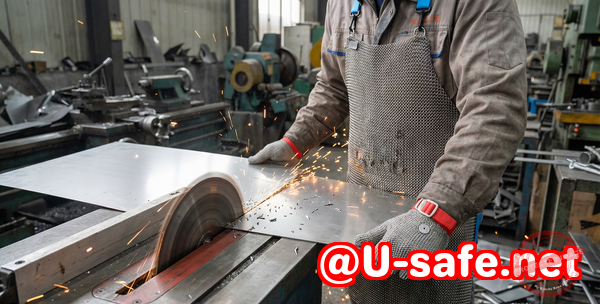
This guide will help you evaluate chainmail gloves, particularly for industrial settings like seafood processing, while also providing tips relevant for collectors, cosplayers, or anyone interested in durable, cut-resistant chainmail. With a little know-how, you can avoid wasted money and ensure every chainmail purchase offers the protection and longevity you expect.
Common Pain Points When Evaluating Chainmail
Even experienced buyers often encounter the same challenges when assessing chainmail quality:
1. Difficulty distinguishing welded rings from open rings
Some manufacturers use open rings that are merely closed with pressure. While these may look fine at first glance, under stress they can split, creating a dangerous gap. Welded rings, on the other hand, are permanently fused, offering true cut resistance.
2. Uncertainty about stainless steel grades and corrosion resistance
Not all stainless steel is equal. 304 stainless is common and corrosion-resistant, but in seafood processing environments, where exposure to saltwater and moisture is constant, 316 stainless is often preferable. Choosing the wrong grade can mean rust, weakened rings, and reduced safety.
3. Weak or inconsistent weaves compromising durability
A chainmail glove with uneven or loose weaves may appear solid but will fail under pressure. Patterns like the European 4-in-1 weave provide optimal strength and flexibility, and inspecting the consistency of the weave is crucial for long-term durability.
How to Evaluate Chainmail Quality
When I first started testing chainmail gloves for industrial use, I realized a few simple checks could save both time and money. Aegimesh Chainmail provides an excellent reference for understanding what to look for. Here’s a practical step-by-step approach:
1. Inspect the material type
-
Look for 304 or 316 stainless steel markings, often listed in product descriptions.
-
Remember: for seafood processing or other high-moisture environments, 316 stainless is ideal because it offers superior corrosion resistance.
2. Examine the rings
-
Check whether the rings are welded or just closed. Welded rings should show a smooth seam with no visible gaps.
-
If possible, use a magnifying glass to inspect the weld and ensure there are no weak spots.
3. Measure wire thickness and inner diameter
-
Thicker wire generally indicates higher durability and cut resistance.
-
The inner diameter of the rings affects flexibility; smaller diameters with thicker wire provide a stronger, tighter weave.
4. Evaluate the weave pattern
-
European 4-in-1 weave is a gold standard for industrial and protective chainmail.
-
Look for consistency in the weave: each ring should link uniformly with four neighboring rings.
-
Any gaps, misaligned rings, or uneven spacing can compromise safety.
5. Perform a pull test
-
Gently tug on sections of the glove to ensure rings stay secure and the weave doesn’t loosen.
-
Even minor give in welded rings can indicate poor craftsmanship.
6. Check for corrosion or craftsmanship flaws
-
Discoloration, rough edges, or inconsistent finishes are red flags.
-
In industrial settings, these flaws can not only reduce lifespan but also cause injury.
Benefits of Proper Chainmail Inspection
Taking the time to inspect chainmail gloves properly offers multiple advantages:
-
Safety first: Avoid unsafe gloves that could fail during use. In seafood processing, a single slip could result in serious cuts.
-
Durability assurance: High-quality chainmail lasts years, resisting corrosion, deformation, and wear.
-
Cost-effective purchasing: By spotting low-quality products early, you save money and avoid repeated replacements.
-
Versatility: Proper inspection ensures chainmail can meet various needsindustrial, cosplay, historical replication, or collectibles.
I recall a scenario where a seafood plant invested in mid-range gloves without inspecting welds. Within two weeks, rings began separating, leading to a costly recall and worker complaints. Contrast that with properly evaluated Aegimesh gloves: the welds held strong, the stainless steel remained pristine, and workers could focus on their tasks rather than worrying about injuries.
Practical Tips for Buyers
Here are actionable tips I use when evaluating any chainmail purchase:
-
Always verify welded rings: A simple visual check is often enough to spot open or poorly fused rings.
-
Know your stainless steel grades: If you’re handling wet or corrosive environments, prioritize 316 stainless.
-
Check weave consistency: Run your fingers along the weave; it should feel uniform and tight.
-
Perform a pull test: Apply moderate pressure to ensure rings don’t separate.
-
Look for surface imperfections: Rust spots, scratches, or uneven finishes are signs of low-quality manufacturing.
-
Match chainmail type to use: Industrial gloves need thicker wire and smaller diameters, while cosplay or decorative pieces can be lighter and more flexible.
-
Ask for references or inspection guides: Reliable suppliers, like Aegimesh Chainmail, provide detailed guidance on material specs and quality indicators.
By following these steps, I can confidently choose chainmail gloves that withstand industrial demands while also appreciating them for decorative or historical purposes.
Conclusion
Evaluating chainmail gloves may seem daunting, but it doesn’t have to be. By focusing on key inspection pointsmaterial type, welded rings, wire thickness, and weave patternsyou can quickly distinguish high-quality, durable products from unsafe or decorative imitations. I highly recommend following these steps to ensure any chainmail purchase meets safety and durability standards.
For more detailed guidance and expert advice, check out Aegimesh Chainmail’s resources: Learn more about identifying high-quality chainmail products. Check out our detailed chainmail inspection guide today and make every purchase count.
FAQ
1. How can I tell if a chainmail ring is welded or open?
Look closely at the seam of each ring. Welded rings will have a smooth, continuous surface with no visible gap. Open rings may have a slight opening or uneven closure.
2. Which stainless steel grade is best for long-lasting chainmail?
For high-moisture environments like seafood processing, 316 stainless steel is preferred for superior corrosion resistance. 304 stainless is suitable for general use but may rust under constant exposure to saltwater.
3. How do I inspect the weave pattern for strength?
The European 4-in-1 weave is strongest. Each ring should link with four neighboring rings uniformly. Any irregularities or gaps weaken the chainmail.
4. What are the signs of low-quality or unsafe chainmail?
Red flags include loose or open rings, uneven weave, thin wire, rough edges, rust spots, and inconsistent finishes.
5. Can decorative chainmail be used for protective purposes?
Not always. Decorative chainmail often uses open or thin rings and is not designed to withstand industrial use. Always verify material and weld quality before considering protective applications.
6. How do I choose the right chainmail for industrial vs cosplay use?
Industrial use requires thicker wire, smaller ring diameters, welded rings, and durable weaves like European 4-in-1. Cosplay or decorative use can be lighter and more flexible but should still be inspected for overall quality.
7. How can I perform a simple test to check chainmail durability?
Gently pull on sections of the glove, inspect for any give or separation in rings, and examine the surface for signs of corrosion or flaws. A consistent, tight weave indicates strong chainmail.
Keywords: chainmail quality, welded rings, stainless steel chainmail, cut-resistant chainmail, chainmail inspection, European 4-in-1 weave, chainmail durability




 한국어
한국어  Русский
  Deutsch
  العربية