


Chainmail Aprons for Extreme Work Conditions
Chainmail Aprons for Extreme Work Conditions
When it comes to protective gear, particularly in industries like butchery, food processing, or metalworking, chainmail aprons have long been a trusted option for keeping workers safe. However, with so many different types and quality levels on the market, how can you be sure you’re getting a product that truly offers the protection and durability you need? If you’ve ever stood in front of a display of chainmail products, unsure about whether you’re making the right choice, you’re not alone.
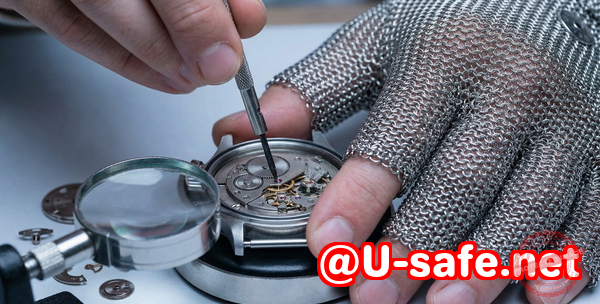
It’s easy to assume that all chainmail is created equal, but in reality, the quality can vary significantly. As a buyer, whether you’re purchasing for industrial use, cosplay, or historical reenactments, understanding what sets high-quality chainmail apart from the rest can make a huge difference in both safety and cost.
The Challenges of Identifying High-Quality Chainmail
One of the biggest struggles people face when purchasing chainmail is distinguishing between genuine, durable products and those that are flimsy or unsafe for their intended purpose. Chainmail is complex by nature, and without proper knowledge, it can be difficult to tell whether you’re buying a high-quality piece that will withstand extreme conditions, or a decorative imitation that may break under pressure.
Common Issues People Face When Buying Chainmail:
-
Welded vs. Open Rings: Not all chainmail rings are created equal. While welded rings offer superior strength and durability, open rings may seem cheaper but often don’t provide the same level of protection.
-
Material Choices: Many buyers struggle with choosing the correct stainless steel grade. The wrong material can lead to corrosion or weakened structure over time, particularly in industrial settings.
-
Weave Patterns: Weave patterns, such as the classic European 4-in-1, play a crucial role in the overall strength and flexibility of the chainmail. A poorly woven product can be just as risky as one with low-quality rings.
How to Inspect and Identify Quality Chainmail
I’ve worked with chainmail products for years, and one of the most important lessons I’ve learned is how to effectively evaluate them. A little knowledge can go a long way in ensuring that you get the protection or aesthetic you’re looking for.
Here’s a step-by-step guide to help you evaluate chainmail quality:
1. Inspect the Material: Stainless Steel is a Must
When you’re looking for durable, long-lasting chainmail, it’s essential to focus on the material. While there are other metals used for chainmail, stainless steel is the industry standard, offering a balance of strength and corrosion resistance.
-
304 Stainless Steel is a common choice for general-purpose use. It’s durable and resistant to rust, making it a solid choice for most chainmail needs, including cosplay and food handling.
-
316 Stainless Steel, on the other hand, offers superior resistance to corrosion, making it the preferred choice for industrial environments and those exposed to harsh chemicals or extreme moisture.
2. Welded Rings vs. Open Rings
If you’ve been shopping for chainmail for a while, you might have heard the terms “welded rings” and “open rings.” Understanding the difference is key to evaluating durability.
-
Welded Rings: These rings are fused together, providing a much stronger and more durable connection. Welded rings are essential for chainmail intended for industrial or protective use because they won’t come apart easily under stress.
-
Open Rings: These are simply bent and linked together without welding, which makes them cheaper to produce. However, they can easily come apart, compromising the overall integrity of the chainmail.
3. Wire Thickness and Ring Diameter
The thickness of the wire and the inner diameter of the rings play a huge role in determining how strong and flexible the chainmail will be.
-
Wire Thickness: Thicker wires provide better cut protection but might reduce flexibility. For industrial use, you’ll likely want a thicker wire, while cosplay chainmail might prioritize flexibility over cut resistance.
-
Ring Diameter: A larger ring diameter means that the weave will be more open, potentially sacrificing strength for flexibility. A smaller diameter offers a denser weave, which results in a stronger product.
4. Weave Patterns Matter
The pattern in which the rings are woven affects not only the appearance but also the structural integrity of the chainmail. The most common and durable weave pattern is the European 4-in-1, which connects four rings to each central ring. This weave provides the right balance of flexibility and protection.
-
If the weave is too loose or inconsistent, it could indicate poor craftsmanship, making the chainmail less effective at providing protection.
5. Conduct a Pull Test
If you’re purchasing chainmail for protective purposes, a simple test can reveal a lot about its quality. Gently pull on the rings in different areas of the product to see how they hold up. High-quality chainmail should resist stretching or pulling apart. If any rings separate or feel flimsy, you’re dealing with a low-quality product.
6. Check for Corrosion or Rust
Corrosion is one of the most common issues with low-quality chainmail, especially when exposed to moisture or chemicals. Always check for any signs of rust or pitting. Rust is a clear indication that the material isn’t of high quality, and it can compromise the entire structure, especially if you plan to use it for industrial or food-related tasks.
Why Inspection Is Important
Proper inspection doesn’t just help you avoid poor-quality productsit can save you from potentially dangerous situations, particularly in industrial settings where safety is a priority. Using chainmail that’s too weak or poorly constructed can result in injury, damage to equipment, or product contamination.
Not only will inspecting chainmail help you make sure it’s durable, but it also ensures that you’re getting your money’s worth. It’s easy to get tricked by a cheap price tag, but in the end, low-quality chainmail will likely cost you more in repairs, replacements, or even safety violations.
Conclusion: Quality Matters for Safety and Durability
I highly recommend following these inspection methods to ensure that any chainmail purchase meets safety and durability standards. Whether you’re buying chainmail for industrial protection, cosplay, or historical display, taking the time to check material, welds, weave patterns, and corrosion resistance will help you make an informed decision.
For those in need of a reliable resource for top-quality chainmail products, be sure to check out Aegimesh Chainmail. We provide detailed guides and inspection tools that help buyers assess the true quality of chainmail before making a purchase.
Learn more about identifying high-quality chainmail products: Aegimesh Chainmail Guide
FAQ
1. How can I tell if a chainmail ring is welded or open?
Welded rings are fused at the ends, making them more durable and secure. Open rings are simply bent and linked together, which is less secure and prone to breaking.
2. Which stainless steel grade is best for long-lasting chainmail?
For general use, 304 stainless steel is suitable. For more demanding environments, such as industrial or food processing, 316 stainless steel offers superior corrosion resistance.
3. How do I inspect the weave pattern for strength?
Look for even, tight rings that interlock consistently. The European 4-in-1 weave is a standard for strength. If the rings feel loose or inconsistent, the weave is likely weak.
4. What are the signs of low-quality or unsafe chainmail?
Signs include loose or inconsistent weaves, rust or corrosion, flimsy or open rings, and poor craftsmanship in the overall construction.
5. Can decorative chainmail be used for protective purposes?
While decorative chainmail may look good, it often doesn’t provide the same durability and protection as chainmail designed for safety. For industrial or food handling purposes, always opt for welded rings and quality materials.
6. How do I choose the right chainmail for industrial vs. cosplay use?
For industrial use, choose thicker wires, welded rings, and a tight weave pattern for maximum cut resistance. For cosplay, prioritize comfort and flexibility, but make sure the material and craftsmanship are still solid.
7. Is there a way to test the durability of a chainmail apron?
A simple pull test is one of the best ways to test durability. Gently pull on the rings and see if any come loose. If they do, the chainmail is likely of low quality.
Tags:
chainmail quality, welded rings, stainless steel chainmail, cut-resistant chainmail, chainmail inspection, European 4-in-1 weave, chainmail durability





 한국어
한국어  Русский
  Deutsch
  العربية