


Chainmail Aprons and Worker Safety Regulations
Chainmail Aprons and Worker Safety Regulations: A Complete Guide to Quality and Durability
When purchasing chainmail for protection, cosplay, or historical reenactments, it’s easy to get overwhelmed by the options available. As someone who has spent a fair amount of time in the chainmail community, I often hear the same concern: “How can I tell if I’m getting high-quality chainmail that’s both safe and durable?” Whether you’re looking for industrial-grade cut-resistant chainmail for food processing or a decorative piece for cosplay, knowing what to look for can save you money and, more importantly, prevent safety hazards.
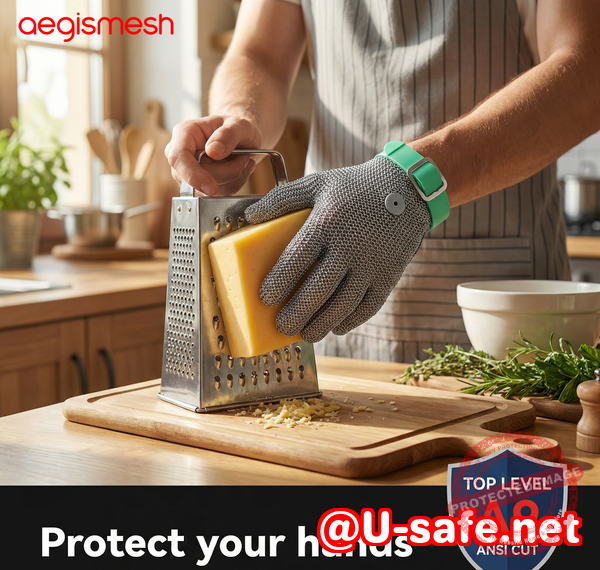
In this post, I’ll walk you through the essential steps to evaluate the quality of chainmail, using practical tips that can help you spot the difference between reliable, high-quality pieces and low-quality imitations. I’ll also explain why material choice, weave patterns, and even the welding technique matter for durability and safety, especially when it comes to industrial and professional uses.
Common Mistakes and Challenges When Evaluating Chainmail
If you’ve ever shopped for chainmail, you’ve likely encountered a few challenges along the way. After all, buying chainmail isn’t like picking up a pair of gloves off the shelf at your local store. Whether you’re shopping online or in person, it can be tricky to evaluate quality without actually handling the product.
Let’s break down the most common pain points I’ve heard about and seen firsthand, and how you can avoid them:
1. Welded Rings vs. Open Rings
One of the biggest differences between high-quality and low-quality chainmail is whether the rings are welded or open. Welded rings are fused shut, creating a stronger, more durable product. On the other hand, open rings can break or slip apart under stress, which is not ideal for any industrial use, such as cut protection in the food industry.
2. Choosing the Right Stainless Steel Grade
Not all stainless steel is created equal, especially when it comes to chainmail. You’ll typically see two grades used in high-quality products: 304 and 316 stainless steel. Grade 304 is often less expensive, but it doesn’t offer the same corrosion resistance as 316. In food processing or other environments where corrosion can be a serious problem, choosing the right grade is crucial for ensuring long-lasting performance.
3. Inconsistent Weaves and Weak Construction
A weak or poorly constructed weave might look fine at first glance, but it won’t hold up under pressure. It’s especially important to check the weave pattern, as certain patterns like the European 4-in-1 weave are known for their strength and durability. A poor weave can compromise the protective quality of the chainmail, which can be dangerous if used in safety-critical environments.
How to Inspect and Verify Chainmail Quality
Now, let’s move on to how you can actually evaluate chainmail quality. Here are some step-by-step inspection tips I’ve found to be invaluable in my own experience.
1. Check the Material: Stainless Steel Grades
The first thing I recommend when inspecting chainmail is to check the material. There are two common types of stainless steel used in high-quality chainmail: 304 and 316. While both offer good corrosion resistance, 316 stainless steel is more durable in harsh environments, such as food processing or outdoor work.
-
304 Stainless Steel: Cost-effective, but prone to corrosion in certain conditions.
-
316 Stainless Steel: Offers superior corrosion resistance, making it ideal for industrial use or food handling.
When purchasing chainmail, especially for industrial applications, I highly recommend going for 316 stainless steel, as it will withstand rust and corrosion over time.
2. Inspect the Rings: Welded vs. Open
Next, you’ll want to check whether the rings are welded or open. I can’t stress enough how important this is, especially for protective chainmail.
-
Welded Rings: These rings are fused shut, making them stronger and more durable. This type of chainmail can withstand the rigors of industrial work, including food processing, where safety is paramount.
-
Open Rings: These are less durable and can come apart over time. While suitable for decorative or cosplay purposes, open-ring chainmail should not be used in industrial environments.
To check for welded rings, gently tug at a few rings. If they don’t separate, you likely have welded rings.
3. Evaluate the Wire Thickness and Ring Diameter
For maximum durability, both the wire thickness and the inner diameter of the rings matter. The thicker the wire, the stronger the chainmail will be, and the smaller the inner diameter of the rings, the tighter the weave, which adds strength. I’ve found that chainmail with a thinner wire and larger ring diameter can feel flimsy and isn’t as reliable.
-
Wire Thickness: Thicker wire increases durability and strength.
-
Ring Diameter: Smaller ring diameters result in a tighter, stronger weave.
For industrial or protective uses, aim for a wire thickness of at least 0.8mm to 1.0mm and a ring diameter that allows for a close-knit pattern.
4. Inspect the Weave Pattern: European 4-in-1
Another crucial element of high-quality chainmail is the weave pattern. The European 4-in-1 weave is one of the most widely used patterns for strength and flexibility. This weave involves each ring passing through four other rings, creating a tight, interwoven structure that distributes pressure evenly. This pattern is particularly important when choosing chainmail for protective purposes.
-
European 4-in-1: Strong and reliable, ideal for cut-resistant chainmail.
-
Other Weaves: While there are many other weave patterns (like 6-in-1), the 4-in-1 is generally the most durable for most uses.
Why Quality Matters: Safety and Durability
When you invest in high-quality chainmail, you’re not just buying a productyou’re ensuring your own safety, whether in a work environment, while handling food, or in any other situation where durability matters. Low-quality chainmail, on the other hand, can pose serious risks.
For instance, if you’re buying chainmail for food handling, a weak weave or poor-quality stainless steel could lead to it breaking under pressure, exposing workers to cuts or contaminants. In industrial settings, subpar chainmail can fail to provide the protection it’s meant to offer, resulting in accidents.
High-quality chainmail, like the ones you’ll find at Aegimesh, offers you the peace of mind knowing that you’re using a product that’s up to standard and will perform well in any environment.
Conclusion: How to Ensure a Safe, Durable Chainmail Purchase
I highly recommend taking the time to inspect any chainmail before purchasing, especially for critical applications. Whether you’re using it for industrial purposes, cosplay, or as a collector’s item, following these simple steps will help you identify high-quality products that provide both safety and durability.
By focusing on the material, welding, wire thickness, and weave pattern, you can avoid unsafe or low-quality chainmail that could end up being a costly mistake. Whether it’s for industrial cut protection, historical reenactments, or cosplay, the right chainmail will give you peace of mind and long-lasting performance.
For those looking to explore high-quality chainmail products, I
Explore Aegimesh Chainmail Software at: https://www.aegimesh.com/




 한국어
한국어  Русский
  Deutsch
  العربية