


The Use of Chainmail in Modern Weaponry and Tactical Gear
The Use of Chainmail in Modern Weaponry and Tactical Gear
When it comes to safety gear, whether for industrial use or cosplay, the importance of selecting the right materials cannot be overstated. For many, chainmail is a staple in protective clothing, adding an element of both history and function. But here’s the catch: when you’re looking to invest in high-quality chainmail, distinguishing between top-tier products and low-quality imitations can be tricky. Have you ever found yourself holding a piece of chainmail, unsure if it’s truly durable enough for the job? I know I haveand I’ve seen many others struggle with the same issue. Let’s face it: there’s a lot of confusion about how to evaluate chainmail, whether it’s for industrial protection, cosplay, or even as a collectible. In this article, I’ll break down how to identify high-quality chainmail so you can confidently make the right choice.
Understanding the Value of Chainmail in Modern Use
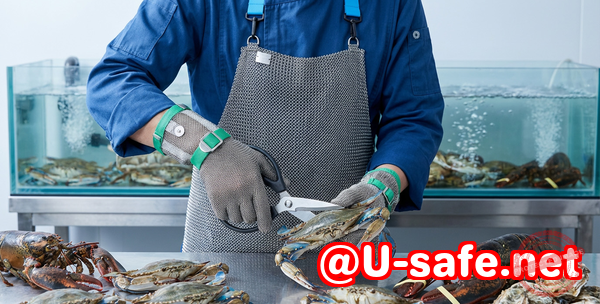
Chainmail, once a protective armor worn by knights in battle, has found its place in the modern world in ways you might not expect. While it may not be shielding warriors from swords anymore, it’s still a vital component of safety gear across various industries. From food processing workers using it as cut-resistant protection to cosplayers needing it for historically accurate replicas, chainmail plays an essential role today. However, finding chainmail that meets your specific needswhether for industrial or decorative purposescan be a challenge.
That’s where knowing how to assess the quality of chainmail becomes crucial. The last thing you want is to purchase a product that’s weak, prone to corrosion, or not up to the task at hand. Trust me, I’ve been there. I’ve seen chainmail that looks the part but fails in strength and durability. So, what should you look for when shopping for chainmail? Let’s dive into the details.
Common Chainmail Quality Concerns
-
Welded Rings vs. Open Rings
One of the most common issues when evaluating chainmail is knowing whether the rings are welded or open. Open rings are more susceptible to coming undone over time, making them less durable and reliable for protective use. Welded rings, on the other hand, are far stronger and will stay intact longer, especially in high-stress environments.
-
Material Quality: Stainless Steel Grades
Not all stainless steel is created equal. The two most common grades you’ll encounter in chainmail are 304 and 316 stainless steel. 304 steel is a more affordable option, but it is more prone to corrosion when exposed to moisture or chemicals. 316, while more expensive, is much more resistant to corrosion and is typically the better option for items exposed to harsh conditions, such as industrial environments or outdoor settings.
-
Inconsistent Weaves
A proper weave pattern, like the European 4-in-1, is key to ensuring the strength of the chainmail. If the weave is inconsistent or loose, it could lead to weak spots, putting you at risk in situations that require protection, like food handling or industrial applications.
Aegimesh Chainmail: Your Go-To Guide for Quality Evaluation
When it comes to chainmail, Aegimesh offers a range of products designed to meet the highest standards of quality. But even if you’re not buying from Aegimesh, understanding the principles behind quality chainmail inspection can save you from making a poor investment.
How to Inspect Chainmail Quality: A Step-by-Step Guide
Here’s how I personally check the quality of chainmail before making a purchase. These steps can save you from buying products that won’t stand the test of time or work in the way you expect.
-
Check the Material
The first thing I look for is the material. I prefer 316 stainless steel for its superior corrosion resistance, especially if the chainmail will be exposed to moisture or wear. While 304 steel might be okay for decorative purposes or cosplay, for anything industrial or functional, 316 is the better choice.
-
Examine the Rings
Are the rings welded or open? If you can see the seams, that’s a red flag. Try pulling gently on a ringif it slides apart or feels flimsy, it’s open. Welded rings, on the other hand, should feel secure and firm, showing no signs of separation.
-
Evaluate the Wire Thickness
Thicker wire generally means stronger chainmail. Look at the wire gaugethe lower the number, the thicker the wire. A thicker wire, combined with a good weave pattern, can provide much better protection.
-
Measure the Inner Diameter of the Rings
A key factor in determining strength is the inner diameter of the rings. If the rings are too large, the weave could be loose, making it weaker overall. For durability and flexibility, I recommend a smaller inner diameter, but without making it too tight, which could affect comfort and movement.
-
Assess the Weave Pattern
The European 4-in-1 weave is one of the most durable patterns, offering great protection while maintaining flexibility. It’s one of the best choices for both functional and decorative chainmail. If the weave isn’t tight or consistent, it’s not likely to provide adequate protection.
Practical Tips for Ensuring Durability
-
The Pull Test: This is a simple but effective test. Grab a section of the chainmail and pull it in different directions. If it feels loose or if any rings slip out of place, it’s a sign of poor craftsmanship. Quality chainmail should feel sturdy, with little to no give.
-
Look for Signs of Corrosion: If you notice any rust or pitting on the surface of the rings, the steel quality may be subpar. Even if you can’t see rust, give the rings a light scrape with a nail or sharp object. If they leave a mark or discolor, it’s a sign the steel may not be up to scratch.
-
Check for Consistent Weaving: Ensure that the pattern looks uniform across the piece. If you spot any unevenness in the weave, this can affect both the aesthetics and the protection the chainmail offers.
Choosing the Right Chainmail for Your Needs
Whether you need chainmail for cosplay, industrial safety, or a collectible, selecting the right type for the job is key.
-
Industrial Use: If you’re using chainmail for industrial cut protection, you’ll want to look for welded rings, 316 stainless steel, and a tight European 4-in-1 weave. This will ensure maximum durability and protection.
-
Food Handling: For food processing, cut-resistant chainmail is often required. Look for materials that are resistant to corrosion, as exposure to moisture is common in this environment. Again, welded rings and 316 steel are ideal.
-
Cosplay: For cosplay, aesthetics often take priority. While the material doesn’t need to be as robust as industrial-grade chainmail, ensure the rings are welded and that the weave is tight enough to hold up for extended periods of wear.
-
Collectibles/Replicas: If you’re purchasing chainmail as a historical replica or collectible, focus on accuracy and aesthetics. While material quality is still important, the primary concern here will be the weave pattern and how true it stays to historical examples.
Conclusion: Ensuring High-Quality Chainmail Purchases
By following these simple steps, you can confidently assess the quality of any chainmail product you’re considering. Remember, the key elements to focus on are the material (preferably 316 stainless steel), the type of rings (welded is best), the wire thickness, the inner diameter of the rings, and the overall quality of the weave. I highly recommend following these steps to ensure any chainmail purchase meets safety and durability standards.
Ready to make an informed choice? Learn more about identifying high-quality chainmail products here. Check out our detailed chainmail inspection guide today.
Frequently Asked Questions (FAQ)
1. How can I tell if a chainmail ring is welded or open?
Simply look for the seams. Open rings will show gaps where the ends meet, while welded rings will be completely sealed.
2. Which stainless steel grade is best for long-lasting chainmail?
316 stainless steel is generally the best choice for durability and corrosion resistance, especially in industrial or outdoor environments.
3. How do I inspect the weave pattern for strength?
Look for a tight, even pattern like European 4-in-1, which provides the best combination of strength and flexibility.
4. What are the signs of low-quality or unsafe chainmail?
Weak rings, visible seams, inconsistent weave patterns, and signs of corrosion are all indicators of low-quality chainmail.
5. Can decorative chainmail be used for protective purposes?
While decorative chainmail can look great for cosplay or historical reenactments, it may not be durable or strong enough for protective use. Always check the material and construction.
6. How do I choose the right chainmail for industrial vs. cosplay use?
For industrial use, focus on welded rings, corrosion-resistant stainless steel, and a solid weave. For cosplay, aesthetics may matter more, but ensure the material can handle wear.
Tags/Keywords
chainmail quality, welded rings, stainless steel chainmail, cut-resistant chainmail, chainmail inspection, European 4-in-1 weave




 한국어
한국어  Русский
  Deutsch
  العربية