


How Steel Chainmail Was Worn by Medieval Soldiers
How Steel Chainmail Was Worn by Medieval Soldiers
When you think of medieval soldiers, the image of a knight in shining armor might immediately come to mind. But beneath that polished exterior was often a layer of chainmail a protective, flexible, and essential part of a soldier’s gear. As a buyer or collector, understanding the quality and historical use of chainmail can be daunting. After all, not all chainmail is created equal, and distinguishing between authentic, durable pieces and low-quality imitations can be tricky. But don’t worry! In this guide, I’ll walk you through how to spot high-quality chainmail, whether you’re purchasing for historical reenactment, cosplay, industrial use, or just as a collector.
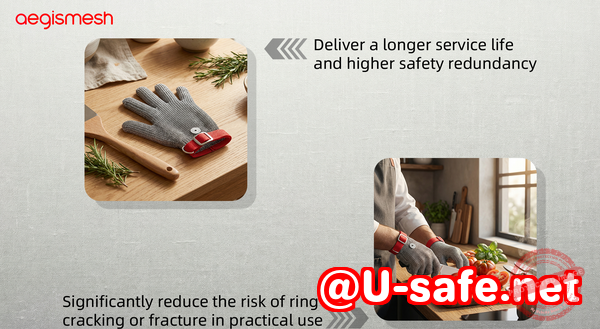
The Struggle of Buying Chainmail: Quality vs. Imitation
If you’ve ever searched for chainmail online or in stores, you’ve likely faced the same dilemma: how do I know if I’m getting the real deal? After all, chainmail comes in various forms and qualities. You can easily find decorative pieces or low-cost imitations, but when it comes to actual protective chainmail, things get more complicated.
For example, as a collector, I once bought what I thought was a solid piece of historical armor for a costume. However, it turned out to be poorly made, with open rings instead of welded ones, and the material wasn’t the right grade of stainless steel. I wasted money on a product that wouldn’t even stand up to light use, let alone the protection I had expected.
The truth is, when purchasing chainmail for any purposewhether for protection, display, or use in an industrial settingyou need to know how to evaluate the quality. And trust me, there are a few simple steps you can follow to ensure you’re making an informed purchase.
Pain Points Buyers Face When Evaluating Chainmail
Many buyers face similar challenges when evaluating chainmail. Let’s dive into some common issues I’ve encountered (and you might too) when buying chainmail.
-
Distinguishing Welded Rings from Open Rings
One of the most common mistakes buyers make is not recognizing the difference between welded and open rings. Open rings, while cheaper, can break or loosen with use, leaving the wearer vulnerable. Welded rings, on the other hand, provide much stronger durability.
-
Choosing the Right Stainless Steel Grade
There are several grades of stainless steel used in chainmail, but 304 and 316 are the two most common. It can be confusing, especially if you’re not familiar with the material properties. A 304 stainless steel chainmail might suffice for cosplay or display, but for industrial cut protection, you’ll want to go with 316 stainless steel. Knowing the difference can save you from wasting money and ensure your chainmail lasts.
-
Evaluating Weave Patterns and Ring Size
The weave pattern affects both the look and durability of the chainmail. A European 4-in-1 weave, for instance, is one of the strongest patterns and is often used in medieval armor. Understanding which pattern is suitable for your needs will ensure that you aren’t left with a fragile imitation that won’t stand up to wear and tear.
How to Identify High-Quality Chainmail: A Step-by-Step Guide
Now that we’ve identified some of the pain points, let’s walk through how to inspect and evaluate chainmail like a pro.
1. Check the Material: 304 vs. 316 Stainless Steel
The first step in evaluating chainmail is to check the material. Stainless steel is the most common material used for high-quality chainmail, but not all stainless steel is the same.
-
304 Stainless Steel: This is the most widely used grade and offers good durability and resistance to corrosion. It’s perfect for decorative pieces or cosplay but may not stand up to heavy-duty industrial use.
-
316 Stainless Steel: This grade offers superior resistance to corrosion, especially in harsh environments like food processing or outdoor industrial settings. If you need cut-resistant chainmail or protective gear, 316 stainless steel is the better choice.
2. Inspect the Rings: Welded vs. Open Rings
Next, you’ll want to check the rings. Open rings are a clear sign of low-quality chainmail, as they can pull apart easily with wear and tear. You’ll want to make sure that the rings are welded together.
How to check:
-
Pull Test: Gently tug on the rings. If they bend or loosen easily, you’ve got open rings. High-quality chainmail with welded rings should hold strong under pressure.
-
Visual Inspection: Welded rings will have a smooth, continuous surface, while open rings will show a tiny gap where the ends don’t quite meet.
3. Evaluate Wire Thickness and Inner Diameter
The thickness of the wire and the size of the rings are crucial factors that affect both the weight and durability of the chainmail. If the wire is too thin or the rings too large, the chainmail may not offer enough protection.
What to look for:
-
Wire Thickness: For protective chainmail, a thicker wire provides better durability. A 16-gauge wire is common for medieval reenactment, but if you’re looking for industrial-grade protection, you might want to opt for a thicker gauge.
-
Ring Diameter: Smaller rings can offer a denser weave, which results in better protection. Larger rings may look more impressive but won’t offer the same level of durability.
4. Inspect the Weave Pattern
The pattern of the weave is more than just decorativeit impacts the chainmail’s strength and functionality. One of the most popular and durable patterns is the European 4-in-1 weave, where each ring passes through four others. This pattern offers a great balance of flexibility and protection.
What to check:
-
Look for a consistent and tight weave.
-
Check that each ring is properly interlocked with the other rings.
-
Avoid chainmail with loose or inconsistent rings, as it can break or wear down quickly.
5. Look for Signs of Corrosion or Wear
Lastly, check for any signs of corrosion or poor craftsmanship. Corrosion can be a sign that the material quality isn’t up to par, especially if you’re purchasing chainmail intended for industrial or food processing use.
What to do:
-
Inspect the surface of the rings for any discoloration or rust, especially if you’re buying used chainmail.
-
If the chainmail is new, ask the seller about any treatments or coatings to prevent corrosion, especially for industrial-grade chainmail.
Why It’s Worth the Effort to Inspect Chainmail
Investing a little time and effort in inspecting chainmail can save you from making a poor purchase. Here’s why:
-
Safety: Properly inspected chainmail ensures that you’re buying safe, reliable products, especially for industrial or food-processing use. You don’t want to risk safety by using low-quality chainmail that may break or fail under stress.
-
Durability: High-quality chainmail lasts longer, whether you’re using it for protective wear, cosplay, or historical reenactments. It’s an investment that pays off.
-
Cost Savings: Knowing how to spot low-quality products means you won’t waste money on items that break easily or don’t live up to expectations.
Conclusion: Don’t Settle for Less
Chainmail, whether for historical accuracy, cosplay, or industrial use, is a unique piece of craftsmanship that requires proper care and attention when purchasing. I highly recommend following the steps outlined above to ensure that any chainmail you buy meets safety and durability standards. By checking the material, welds, wire thickness, and weave patterns, you’ll be able to avoid low-quality or unsafe chainmail and make an informed, lasting purchase.
Ready to find high-quality chainmail for your needs? Learn more about identifying high-quality chainmail products by visiting Aegimesh’s detailed guide today.
FAQ
-
How can I tell if a chainmail ring is welded or open?
Check the ring closely. Welded rings have a continuous, smooth surface, while open rings have a small gap where the ends don’t quite meet.
-
Which stainless steel grade is best for long-lasting chainmail?
For durability and corrosion resistance, 316 stainless steel is the best choice, especially for industrial use. For cosplay or display, 304 stainless steel works well.
-
How do I inspect the weave pattern for strength?
Look for a tight, consistent weave. European 4-in-1 is a strong, reliable pattern that offers both flexibility and durability.
-
What are the signs of low-quality or unsafe chainmail?
Signs include open rings, thin wire, loose or inconsistent weaves, and visible corrosion or rust. These can compromise the chainmail’s strength.
-
Can decorative chainmail be used for protective purposes?
Decorative chainmail often lacks the durability required for protection, as it may have open rings or weak materials. For protection, ensure the chainmail uses welded rings and durable materials like 316 stainless steel.
-
How do I choose the right chainmail for industrial vs. cosplay use?
For industrial use, prioritize 316 stainless steel with tight weaves and thick wire for cut resistance. For cosplay, 304 stainless steel and decorative weaves like European 4-in-1 are typically sufficient.




 한국어
한국어  Русский
  Deutsch
  العربية