


The Role of Steel Chainmail in the Armor of Knights and Warriors
The Role of Steel Chainmail in the Armor of Knights and Warriors
When I first started looking into chainmail for protection or display, I found myself facing a rather tricky dilemma. With so many options on the market, how could I know which products were truly high-quality and which were, well, a bit of a letdown? Whether you’re a collector, cosplayer, industrial user, or just someone interested in owning a piece of history, it’s essential to be able to distinguish between the real deal and subpar imitations. Let’s take a closer look at the ins and outs of identifying quality chainmail, so you don’t end up wasting your hard-earned money on something that won’t stand the test of time.
Why Chainmail Quality Matters
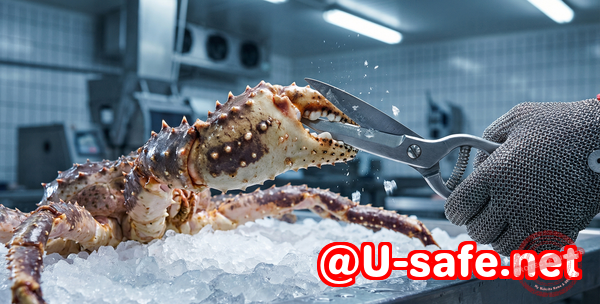
Chainmail isn’t just for medieval reenactments or costumes. In fact, high-quality chainmail plays an important role in various industries today, including food processing, cut protection, and even historical replica crafting. However, finding the right chainmail that offers durability, safety, and authenticity can be challenging. There are many low-quality, fragile versions out there that might look impressive at first glance but can’t withstand the rigors of actual use.
That’s where understanding chainmail quality becomes crucial. Whether you’re buying for historical accuracy, cosplay, or industrial applications, knowing how to evaluate the material, weave, and construction will help you make the best choice. Let’s dive into the common pain points buyers face and how you can avoid making costly mistakes.
Common Pitfalls When Evaluating Chainmail
1. The Confusion Between Welded and Open Rings
One of the first things that can trip up a buyer is the distinction between welded and open rings. At first glance, it might be hard to tell them apart. Open rings are typically just bent wire, which can weaken over time and may eventually break under pressure. Welded rings, on the other hand, are permanently fused, offering superior durability.
Solution: Always check the construction of the rings. A quick visual inspection should reveal whether the rings are welded or simply bent. If you’re unsure, give a slight pull on a ring. A welded ring should resist any bending or stretching, while an open ring might give way. Choosing welded rings, especially in industrial settings, can make a huge difference in safety and longevity.
2. Understanding Stainless Steel Grades
Another confusion for many buyers is the choice of stainless steel grade. 304 stainless steel is commonly used for decorative purposes and might suffice for casual wear or display. But for any industrial use, 316 stainless steel is the way to go. It’s more corrosion-resistant and can withstand harsher environments, such as food processing or outdoor exposure.
Solution: Always ask for details about the material used in the chainmail. If you’re purchasing for professional use or need durability for outdoor activities, 316 stainless steel is the preferred option. When buying for display or cosplay, 304 steel might suffice, but make sure to evaluate its overall quality.
3. Weak Weave Patterns
One of the most important elements of chainmail is the weave pattern. The European 4-in-1 weave is a classic, known for its strength and flexibility. If the rings are poorly woven, however, you risk having a fragile design that won’t offer much protection or durability.
Solution: Examine the weave closely. A high-quality chainmail product should have tight, consistent rings that are uniformly interwoven. A European 4-in-1 weave should be strong and not have any loose or inconsistent gaps. You should also consider the wire thickness and the inner diameter of the rings, as these factors affect the overall strength of the weave.
How to Inspect Chainmail for Quality
You don’t need to be an expert to perform a thorough chainmail inspection. Here’s a step-by-step guide to help you evaluate the key aspects of any chainmail product:
1. Check the Material Type
-
For industrial or professional use, look for chainmail made from 316 stainless steel. This is highly resistant to rust and corrosion.
-
For decorative purposes, 304 stainless steel can often be sufficient, but ensure it’s strong enough for your intended use.
2. Inspect the Rings
-
Welded or Open? Examine the rings for signs of welding. If you see a noticeable gap where the ends meet, it’s an open ring, and you should be cautious about its strength.
-
Ring Thickness and Diameter: A thicker wire and larger inner diameter can increase the strength of the chainmail. Too thin a wire or small diameter can make it more fragile and less effective at its job.
3. Examine the Weave Pattern
-
The most common weave pattern for strength is the European 4-in-1 weave. This offers excellent flexibility and durability. Inspect how tightly the rings are woven. Loose or inconsistent patterns can compromise the overall strength of the chainmail.
4. Perform a Simple Pull Test
-
Gently tug at the rings to see if they bend or snap. Good-quality chainmail will resist being pulled apart, and the rings should not show signs of loosening or bending easily.
5. Look for Signs of Corrosion
-
Check for any signs of rust or corrosion, especially if the chainmail will be exposed to moisture. Even high-quality steel can corrode if it’s not properly treated or stored.
Why Chainmail Quality Matters for Different Uses
Depending on your needs, the stakes for choosing quality chainmail vary. Here’s how quality affects the different uses:
-
For Industrial Use (Cut Protection): The chainmail must withstand high stress and provide reliable protection. Poor-quality chainmail might break under pressure, causing serious injury. Always choose welded rings and thicker wire for this purpose.
-
For Food Processing: Chainmail used in food processing needs to be hygienic, corrosion-resistant, and durable. 316 stainless steel is ideal here because it resists rust, making it safe for handling food.
-
For Cosplay or Display: While you can get away with a lower grade of steel or a lighter weave for visual appeal, the craftsmanship should still be top-notch. Nothing ruins a costume more than chainmail that falls apart after a few wears.
-
For Historical Replicas: Authenticity is key when creating a historical replica. Look for high-quality chainmail that matches the construction and materials of the original designs. The weave pattern, material, and ring style should all be closely matched to ensure accuracy.
Final Thoughts
In my experience, taking the time to properly inspect chainmail can save you a lot of frustration (and money). Whether you’re buying for industrial use, cosplay, or a collectible, understanding how to evaluate key factors like material, ring construction, and weave patterns is essential. I highly recommend following these steps to ensure any chainmail purchase meets safety and durability standards.
Ready to dive deeper? Learn more about identifying high-quality chainmail products by checking out Aegimesh’s detailed chainmail inspection guide today at www.aegimesh.com.
FAQ
How can I tell if a chainmail ring is welded or open?
Look closely at the ends of the rings. Welded rings should be visibly fused together, while open rings will show a small gap.
Which stainless steel grade is best for long-lasting chainmail?
For maximum durability and corrosion resistance, 316 stainless steel is the best choice, especially for industrial and food-processing applications.
How do I inspect the weave pattern for strength?
Check for a tight, uniform weave. A European 4-in-1 weave is a standard, known for its strength. Ensure no rings are loose or out of place.
What are the signs of low-quality or unsafe chainmail?
Signs of low quality include inconsistent ring size, visible gaps, rust or corrosion, and weak or loose weaves. Open rings can also be a red flag.
Can decorative chainmail be used for protective purposes?
It’s best to use high-quality welded chainmail for protection. Decorative pieces often use thinner wire or open rings, which aren’t as durable.
How do I choose the right chainmail for industrial vs. cosplay use?
For industrial use, always choose durable, welded chainmail made from 316 stainless steel. For cosplay, you can opt for lighter, decorative pieces, but ensure they still have solid construction.
Keywords
-
Chainmail quality
-
Welded rings
-
Stainless steel chainmail
-
Cut-resistant chainmail
-
Chainmail inspection
-
European 4-in-1 weave




 한국어
한국어  Русский
  Deutsch
  العربية