


How Steel Chainmail Armor Has Transformed Over the Centuries
How Steel Chainmail Armor Has Transformed Over the Centuries
When you’re in the market for chainmailwhether for industrial use, cosplay, or a historical display pieceit’s easy to feel overwhelmed by the options. There’s so much out there, and not all of it is created equal. I’ve heard countless stories from buyers who’ve been burned by low-quality chainmail: fragile, poorly made rings, uncomfortable fits, or pieces that rust after just a few uses. It’s a real concern, especially if you’re relying on chainmail for protection, or if you’ve invested in a piece of history for your collection.
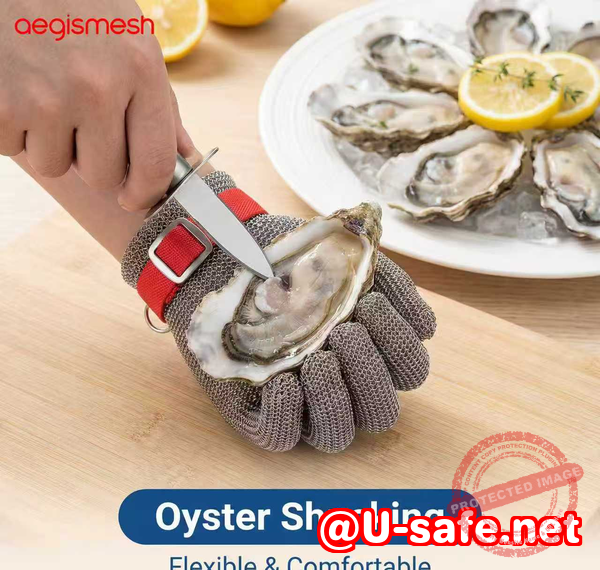
So, how do you ensure that the chainmail you buy is genuinely top-quality, durable, and safe? In this guide, I’ll walk you through the essentials of evaluating steel chainmail, so you can make an informed purchase every time. Let’s dive into how steel chainmail armor has transformed over the centuriesand how modern innovations can help you choose the right product for your needs.
The Evolution of Steel Chainmail: From Ancient Protection to Modern Artistry
Historically, steel chainmail was a life-saving armor for knights and warriors. Its flexibility, combined with its ability to absorb the impact of blows, made it the armor of choice during the Middle Ages. In fact, the durability and strength of chainmail helped shape many battles and protected warriors on the front lines.
But as times have changed, so has chainmail. Today, it’s used for a wide range of purposes: industrial applications, cosplay, food processing, and even decorative uses. With these diverse applications comes a greater demand for quality, and rightly so. When chainmail was originally crafted, it was relatively simplemetal rings woven together. Now, however, we have modern advancements that refine this age-old armor into something that can be both beautiful and functional.
Common Challenges When Buying Chainmail
As a buyer, it can be frustrating to sort through the multitude of options available. From poorly made imitations to inaccurate descriptions, it can be tough to identify a quality product. Here are a few common challenges people face when buying chainmail:
-
Distinguishing Welded Rings from Open Rings: This is a common issue. Open rings are weaker, and they won’t hold up over time, especially under stress or impact. Welded rings, on the other hand, are more secure and durable.
-
Understanding Stainless Steel Grades: Stainless steel is the backbone of high-quality chainmail, but not all grades are created equal. 304 stainless steel is commonly used, but 316 stainless steel offers better corrosion resistanceessential for chainmail exposed to the elements or used in industrial environments.
-
Weak Weaves: Poorly executed weaves compromise the integrity of the chainmail. For example, a European 4-in-1 weave offers superior protection and strength, while other weaves might not provide the same durability.
If you’ve ever found yourself confused by these issues, you’re not alone. But with a little knowledge and some simple inspection tips, you can easily spot high-quality chainmail from inferior options.
How to Inspect Chainmail for Quality
So, how do you avoid purchasing low-quality chainmail? It all comes down to a few key inspection methods. Here are the steps I personally use to evaluate chainmail, and they’re simple enough that anyone can follow them.
1. Check the Material Type
One of the first things to check when you’re evaluating chainmail is the type of stainless steel used. The most common grades are 304 and 316 stainless steel.
-
304 Stainless Steel: This is the most common type used in chainmail. It’s durable and affordable, but it can corrode over time, especially in environments with high humidity or exposure to certain chemicals.
-
316 Stainless Steel: If you need chainmail for industrial or food-processing purposes, 316 stainless steel is your best bet. It has higher corrosion resistance, making it ideal for environments where the chainmail will be exposed to moisture, food, or chemicals.
2. Inspect the Ring Welding
The rings in chainmail are where the real strength comes from. If the rings are weak or poorly made, your chainmail won’t hold up under pressure. There are two types of rings used in chainmail:
-
Welded Rings: These rings are stronger and more secure. They’re welded shut, so they won’t open up when the chainmail is under stress. Welded rings are ideal for protective or industrial chainmail.
-
Open Rings: These rings aren’t welded and can come undone with wear and tear, leaving the chainmail vulnerable. Open rings are typically used for decorative purposes or in lower-quality chainmail.
To check if the rings are welded or open, gently pull on a ring. If it separates, you’re dealing with open rings. A welded ring should stay firmly intact.
3. Check the Wire Thickness and Inner Diameter
The wire thickness and inner diameter are important for the overall strength and flexibility of the chainmail.
-
Wire Thickness: Thicker wires provide better protection, especially against cuts and abrasions. The standard thickness for industrial chainmail is about 1.5 mm, but for decorative or cosplay pieces, you may find thinner wires.
-
Inner Diameter of the Rings: The inner diameter of the rings affects the flexibility of the chainmail. A smaller inner diameter means a tighter weave, which is generally stronger. However, the rings should still be large enough to move freely and provide flexibility.
4. Evaluate the Weave Pattern
One of the most important aspects of chainmail is the weave pattern. The weave directly affects how strong and durable the piece will be. The European 4-in-1 weave is the gold standard for chainmail. In this pattern, each ring is passed through four others, creating a tight, interwoven structure that is both strong and flexible.
If you’re looking for chainmail for protection, like cut-resistant gloves or aprons, make sure the weave is tight and evenly spaced. If it’s loose or inconsistent, the chainmail won’t be effective.
Why Quality Matters: Safety, Durability, and Saving Money
By inspecting the material, welds, wire thickness, and weave pattern, you can avoid purchasing chainmail that might be unsafe or break down quickly.
-
For Industrial Use: If you’re buying chainmail for industrial purposes, such as cut-resistant gloves or aprons, make sure the chainmail is strong, durable, and well-made. Weak welds or inferior rings can result in injury.
-
For Cosplay or Decoration: Even if you’re purchasing chainmail for a costume or display, you still want a durable product that won’t fall apart after a few uses. A well-made chainmail shirt or piece will not only look good but will last longer, saving you money in the long run.
-
For Food Processing: Chainmail is often used in the food industry to protect workers from cuts and abrasions while processing meat. For these purposes, corrosion resistance is crucial, and 316 stainless steel is highly recommended.
Final Thoughts and Recommendations
After reviewing the inspection methods and understanding the importance of quality, I highly recommend following these steps whenever you buy chainmail. Whether you’re looking for a functional, industrial-grade piece or a decorative replica, these tips will help ensure your purchase meets safety and durability standards.
If you’re still unsure or want more details on how to evaluate chainmail, check out our detailed chainmail inspection guide. We’ve created a comprehensive resource to help buyers like you make informed decisions. Don’t settle for subpar chainmailchoose quality that you can trust.
FAQ
1. How can I tell if a chainmail ring is welded or open?
You can check by gently pulling on the ring. Welded rings will stay intact, while open rings will separate.
2. Which stainless steel grade is best for long-lasting chainmail?
For durability and corrosion resistance, 316 stainless steel is the best option, especially for industrial use or exposure to moisture.
3. How do I inspect the weave pattern for strength?
Look for tight, even spacing between the rings. A European 4-in-1 weave is the strongest and most durable pattern for protective use.
4. What are the signs of low-quality or unsafe chainmail?
Signs include weak or open rings, poor welding, inconsistent weave patterns, and corrosion.
5. Can decorative chainmail be used for protective purposes?
While decorative chainmail can look good, it’s not suitable for protection. For safety, choose industrial-grade chainmail with welded rings and proper weave patterns.
6. How do I choose the right chainmail for industrial vs cosplay use?
For industrial use, look for durable, cut-resistant chainmail with welded rings and corrosion-resistant material. For cosplay, aesthetics and flexibility are more important, but still look for solid construction.
Keywords: chainmail quality, welded rings, stainless steel chainmail, cut-resistant chainmail, chainmail inspection, European 4-in-1 weave




 한국어
한국어  Русский
  Deutsch
  العربية