


Why Chainmail Aprons Are Critical for Torso Protection
Why Chainmail Aprons Are Critical for Torso Protection
When I first started exploring chainmail products, I was both fascinated and overwhelmed. There’s so much variety out there, from decorative pieces to serious, industrial-grade armor. One of the most common questions I get from buyers, whether they’re looking for safety equipment or unique cosplay items, is: “How do I know if the chainmail I’m buying is high-quality and will actually protect me?” If you’ve ever found yourself in that position, you’re not alone. Identifying quality chainmail, especially when it’s intended for heavy-duty use like food processing or industrial protection, can be tricky.
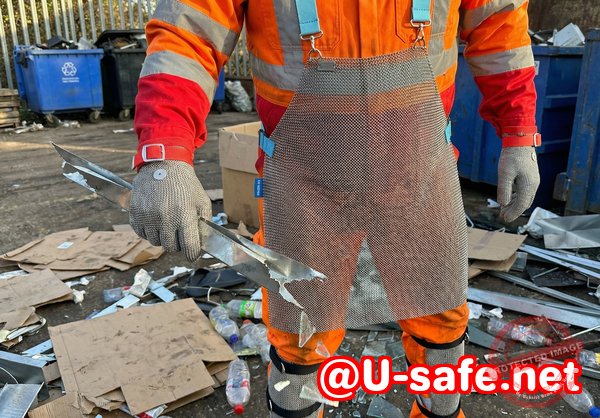
In this guide, we’re going to focus on chainmail aprons, specifically the importance of these items in protecting your torso from cuts and other injuries. I’ll walk you through the key aspects of evaluating chainmail quality and how to ensure that the product you’re investing in provides the protection it promises. Whether you’re a professional butcher, a cosplayer, or a collector, understanding these core elements can make a huge difference in your purchase.
The Challenge of Identifying High-Quality Chainmail
One of the biggest hurdles in buying chainmail for protection is knowing what to look for. After all, chainmail isn’t a one-size-fits-all solution. You might be looking for something to withstand the rigors of industrial work, or perhaps you just need it to look great in your next medieval costume. The stakes are different, but the core concerns are the same: you want to make sure the chainmail is durable, functional, and worth the investment.
In particular, many buyers struggle with distinguishing high-quality products from low-cost imitations. Low-quality chainmail often uses open rings that don’t provide the same strength and durability as welded rings. The material might be subpar, such as a stainless steel that rusts easily or is prone to breaking under pressure. Or, in the case of decorative pieces, the weave might not hold up under real-world stress.
Why Chainmail Aprons Are Essential for Torso Protection
If you work in an environment where sharp tools or machines are involvedwhether it’s food processing, industrial work, or even huntingprotecting your torso is essential. A chainmail apron can safeguard you against cuts, abrasions, and punctures. However, not all chainmail aprons are created equal, and choosing the wrong one could leave you vulnerable to injury.
When selecting a chainmail apron, consider these factors:
-
Material Strength: A chainmail apron made of low-grade steel might look the part, but it won’t offer the same protection as one made of high-quality stainless steel.
-
Weave Pattern: The strength of chainmail is determined by the way the rings are woven together. A poor weave means weak points, which can compromise protection.
-
Ring Quality: Welded rings are far superior to open rings when it comes to durability. If the rings are not welded securely, the chainmail can easily fall apart under stress.
Now that we know why quality matters, let’s dive into how to assess the chainmail you’re considering.
How to Evaluate the Quality of Chainmail
When you’re buying chainmail for protection, there are a few key areas to focus on. These steps will help you distinguish high-quality products from subpar alternatives and ensure that your purchase will offer the protection you need.
1. Inspect the Material
Not all metals are created equal, especially when it comes to chainmail. Stainless steel is the gold standard for durability, rust resistance, and strength. However, not all stainless steel is the same. There are two common grades of stainless steel used in chainmail: 304 and 316.
-
304 Stainless Steel: This is a general-purpose, corrosion-resistant material. While it’s great for many applications, it’s not as resistant to extreme environments as 316.
-
316 Stainless Steel: This grade is ideal for harsh conditions, especially where high resistance to corrosion and rust is needed (like in food processing or marine environments).
So, how can you tell the difference? 316 stainless steel will cost a bit more, but it offers better long-term protection. When inspecting a chainmail apron, ask the seller about the material and make sure it’s clearly labeled as either 304 or 316 stainless steel.
2. Check the Ring Construction: Welded vs. Open Rings
One of the easiest ways to evaluate the durability of chainmail is to check the rings. The rings should be welded rather than open. Welded rings are far more secure and less likely to pull apart under pressure.
To check the ring construction:
-
Welded rings will show a slight overlap where the ends of the ring have been fused together. This is a good sign of durability.
-
Open rings might look similar at first glance, but they won’t have the same strength and will likely degrade over time, especially if exposed to moisture or chemicals.
Welded rings are a clear sign of high-quality, long-lasting chainmail.
3. Examine the Wire Thickness and Ring Diameter
Another important factor is the thickness of the wire used to create the rings. The wire thickness affects how well the chainmail will perform under stress. Thicker wire generally means more durability, but it also means the rings will be heavier, which might not be ideal for certain applications like cosplay.
-
Wire thickness: A good chainmail apron should have wire that’s thick enough to withstand cuts and abrasions but not so heavy that it’s cumbersome. Typically, a wire thickness between 1.2mm and 1.8mm is ideal for cut-resistant chainmail.
-
Ring diameter: The inner diameter of the rings also matters. Too large, and the apron becomes less protective. Too small, and the weave becomes tight and uncomfortable to wear. A well-balanced diameter will ensure the apron is both protective and wearable.
4. Evaluate the Weave Pattern
The weave pattern is one of the most important aspects of chainmail. The most common weave used for strength and durability is the European 4-in-1 weave. This pattern involves each ring passing through four others, creating a strong, interlocked structure.
To evaluate the weave:
-
Look for consistency in the rings. A sloppy weave can lead to weak spots in the chainmail, making it less protective.
-
Check for evenness in the rings. Any irregularities in the weave could signal poor craftsmanship and a weaker product.
A quality chainmail apron will have a tight, well-executed European 4-in-1 weave.
5. Perform the Pull Test
The pull test is a simple yet effective way to evaluate the quality of the chainmail. Gently pull on a section of the apron to see if the rings hold together. If they come apart easily or feel loose, it’s a sign that the chainmail might not offer the protection you need.
A quality chainmail apron should hold together firmly, with minimal movement between rings.
6. Look for Signs of Corrosion
Corrosion can compromise the strength and appearance of chainmail. Even stainless steel can corrode under certain conditions, especially if it’s not made of high-quality steel or if it’s not properly maintained.
When inspecting chainmail, look for any signs of rust, discoloration, or flaking. If you see any of these signs, it’s best to avoid the product, as corrosion can significantly weaken the material over time.
Common Mistakes to Avoid
-
Buying Based on Price Alone: While it’s tempting to go for the cheapest option, remember that with chainmail, you get what you pay for. Low-cost chainmail often uses inferior materials and construction techniques.
-
Ignoring Weave Quality: The weave pattern is critical for durability. Don’t focus only on appearancemake sure the rings are securely interlocked and that the weave is tight.
-
Overlooking Ring Construction: Open rings may look similar to welded rings, but they don’t provide the same level of protection. Always choose welded rings for safety and durability.
Conclusion: Why Quality Matters
When it comes to protecting your torso, particularly in high-risk environments like food processing or industrial settings, chainmail aprons are a must-have. However, not all chainmail is created equal. By following the inspection methods outlined above, you can confidently select high-quality chainmail that will provide the durability and protection you need.
I highly recommend following these steps to ensure any chainmail purchase meets safety and durability standards. Don’t settle for subpar products that could put your safety at risk or leave you with wasted money. Invest in quality, and your chainmail apron will serve you well for years to come.
Learn more about identifying high-quality chainmail products: https://www.aegimesh.com
Check out our detailed chainmail inspection guide today.
Frequently Asked Questions (FAQ)
How can I tell if a chainmail ring is welded or open?
Welded rings will show a slight overlap where the ends are fused together. Open rings lack this overlap and are less durable.
Which stainless steel grade is best for long-lasting chainmail?
316 stainless steel is the best choice for durability, especially in harsh environments. It’s highly resistant to corrosion and rust.
How do I inspect the weave pattern for strength?
Look for consistency and evenness in the rings. The European 4-in-1 weave is a strong and reliable pattern for protective chainmail.
What are the signs of low-quality or unsafe chainmail?
Signs of poor-quality chainmail include loose rings, uneven weaves, corrosion, and the use of open rings instead of welded ones.
Can decorative chainmail be used for protective purposes?
While decorative chainmail looks great, it may not provide the same level of protection as industrial-grade chainmail, which uses




 한국어
한국어  Русский
  Deutsch
  العربية