


Understanding Ring Size and Thickness in Chainmail Gloves
Understanding Ring Size and Thickness in Chainmail Gloves
When I first started shopping for chainmail gloves, I thought any stainless steel weave would do. After all, metal is metal, right? But I quickly discovered that not all chainmail is created equal. From poorly welded rings to inconsistent thicknesses and shoddy weaves, there’s a lot that can go wrongespecially if you’re buying chainmail for industrial cut protection, food handling, or even serious cosplay. One small oversight can turn a seemingly sturdy glove into a safety hazard or a waste of money.
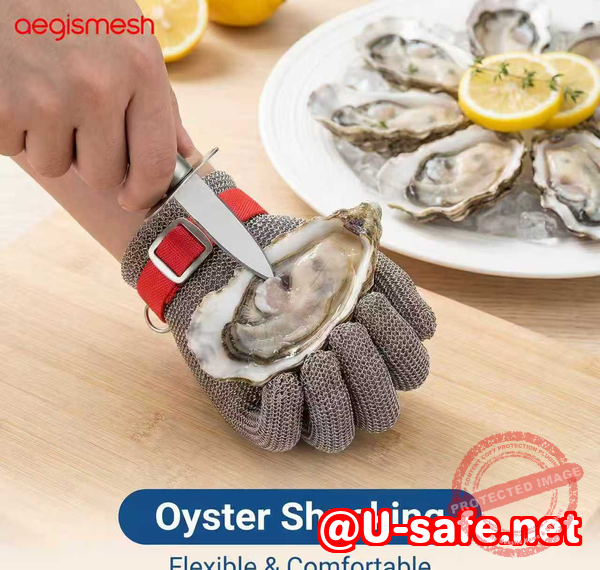
Evaluating chainmail quality might seem intimidating at first, but with a few practical inspection tips, anyone can learn to spot high-quality gloves. In this guide, I’ll walk you through how to check ring size, wire thickness, weld integrity, and weave patternshelping you distinguish durable chainmail from fragile imitations.
Common Pain Points in Chainmail Gloves
1. Confusing welded rings with open rings
A chainmail glove is only as strong as its rings. Open rings that aren’t properly welded can easily bend or break, especially under pressure. I’ve seen gloves advertised as ‘cut-resistant’ fail in seconds because a few open rings unraveled. Buyers often overlook this because it’s hard to see with the naked eye, especially in finely crafted European 4-in-1 weaves.
2. Uncertainty about stainless steel grades
Not all stainless steel is equal. Some chainmail is made from 304 stainless steel, which is corrosion-resistant and great for general use. Others use 316 stainless steel, which is superior for high-moisture environments, like food processing or marine conditions. Choosing the wrong grade can lead to rust, weakening, and even contamination in professional settings.
3. Weak or inconsistent weaves
Even with the right material, the weave pattern matters. A European 4-in-1 weave offers excellent flexibility and strength when made correctly, but inconsistencies in ring placement or spacing reduce durability. I’ve handled gloves where rings were uneven, creating gaps that compromise safety and feel flimsy on the hand.
How to Inspect Chainmail Gloves Effectively
Aegimesh Chainmail provides a practical reference for buyers, collectors, and industrial users, helping you evaluate ring size, thickness, and overall quality. Here’s how I inspect a pair of gloves before trusting them for protection or display:
1. Material Type
-
Check the stainless steel grade: 304 is sufficient for most purposes, but 316 is ideal for food handling, wet environments, or heavy-duty industrial use.
-
Look for manufacturer markings or product descriptionssometimes a small sticker or documentation can confirm the grade.
2. Ring Welding
-
Examine individual rings carefully. A properly welded ring will show a smooth, continuous seam with no gaps.
-
Open rings are weak points. I use a magnifying glass or even a smartphone camera to zoom in on welds, especially for smaller rings used in gloves.
3. Wire Thickness and Ring Diameter
-
Thicker wire means stronger rings, but it can also reduce flexibility. I check that wire thickness matches the intended use: industrial gloves generally use heavier wire than decorative chainmail.
-
Ring inner diameter affects flexibility and weave density. European 4-in-1 gloves often use smaller diameters to achieve a snug, protective fit.
4. Weave Pattern Consistency
-
Inspect the European 4-in-1 weave. Each ring should pass through four others consistently.
-
Pull gently on different sections of the glove; the weave should hold firm without noticeable gaps or stretching.
5. Signs of Corrosion or Poor Craftsmanship
-
Rust spots, uneven coloring, or sharp edges on welds are red flags.
-
I’ve seen gloves where tiny burrs snag clothing or skin, indicating rushed or low-quality manufacturing.
Practical Tips for Testing Chainmail Gloves
To make inspection easy, I follow these simple steps:
-
Pull Test: Grip a small section of the glove and pull gently. A high-quality glove will resist separation, while poorly made gloves may have loose rings.
-
Visual Inspection: Look for open welds, inconsistent ring sizes, and gaps in the weave.
-
Flexibility Check: Try moving the fingers and wrist. The glove should bend naturally without rings twisting out of shape.
-
Environment Consideration: Match the glove to its intended use. Heavier wire gloves suit industrial cutting tasks, while lighter gloves are fine for cosplay or historical replicas.
Why Proper Inspection Matters
Buying chainmail without checking quality can lead to serious issues:
-
Safety Risks: Industrial or food-processing gloves that fail can cause cuts, contamination, or workplace accidents.
-
Wasted Money: Decorative or weak gloves wear out quickly, meaning frequent replacements.
-
False Security: A glove that looks protective but has weak rings gives a false sense of safety.
On the flip side, spending a few minutes inspecting gloves upfront ensures your chainmail meets expectations for protection, durability, and performancewhether for work, cosplay, or collectibles.
Choosing the Right Chainmail for Your Needs
-
Industrial Use: Go for thicker wire, smaller ring diameters, fully welded rings, and 316 stainless steel for moisture resistance.
-
Food Processing: Prioritize corrosion-resistant grades, smooth welds, and European 4-in-1 weaves to minimize contamination risks.
-
Cosplay or Decorative: Lighter wire and slightly larger rings are acceptable, but check that welds are secure and the weave is even.
-
Historical Replicas/Collectibles: Authenticity matters; follow the same inspection steps but balance strength and historical accuracy.
Conclusion
After inspecting hundreds of chainmail gloves, I’ve learned that ring size, wire thickness, and weld quality are the foundation of durability and safety. Checking the stainless steel grade, evaluating the weave, and performing simple pull tests can save you from buying substandard products.
I highly recommend following these steps to ensure any chainmail purchase meets safety and durability standards. Learn more about identifying high-quality chainmail products: https://www.aegimesh.com/. Check out our detailed chainmail inspection guide today to make informed, confident purchases.
FAQ
1. How can I tell if a chainmail ring is welded or open?
Look closely at the ring seam. Welded rings have a smooth, continuous finish without gaps. A magnifying glass or camera zoom can help detect open rings.
2. Which stainless steel grade is best for long-lasting chainmail?
304 stainless steel works for general purposes, but 316 stainless steel is superior for wet, food-handling, or high-corrosion environments.
3. How do I inspect the weave pattern for strength?
Check that each ring consistently passes through four others in the European 4-in-1 weave. Pull gently on sections to test durability.
4. What are the signs of low-quality or unsafe chainmail?
Rust, uneven welds, inconsistent ring sizes, gaps in the weave, and sharp edges all indicate poor craftsmanship.
5. Can decorative chainmail be used for protective purposes?
Not reliably. Decorative chainmail is usually lighter and less durable; only gloves specifically rated for cut resistance should be used for protection.
6. How do I choose the right chainmail for industrial vs cosplay use?
Industrial chainmail requires thicker wire, smaller rings, welded rings, and corrosion-resistant steel. Cosplay or decorative chainmail can be lighter but still needs secure welds and consistent weaves.
7. How do I maintain chainmail gloves to extend their life?
Regularly clean and dry them after use, check for loose rings, and store them away from moisture to prevent corrosion.
Keywords/Tags:
chainmail quality, welded rings, stainless steel chainmail, cut-resistant chainmail, chainmail inspection, European 4-in-1 weave, chainmail durability, industrial chainmail gloves, cosplay chainmail, high-quality chainmail




 한국어
한국어  Русский
  Deutsch
  العربية