


Ring Tensile Testing and Plasma Welding Building Chainmail for Demanding Industrial Environments
Ring Tensile Testing and Plasma Welding Building Chainmail for Demanding Industrial Environments
Learn how to inspect chainmail quality, welded rings, and stainless steel grades to avoid unsafe purchases and choose durable, professional chainmail.
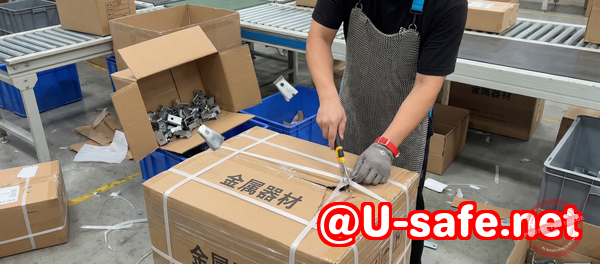
When I first started looking for chainmailreal chainmail, not costume-store knockoffsI honestly didn’t know what I didn’t know. The photos all looked great. The descriptions promised “cut resistance” and “industrial strength.” Prices ranged from suspiciously cheap to eye-wateringly expensive. And every seller claimed their product was “high quality.”
If you’ve ever stared at a screen wondering whether that shiny mesh will actually protect your hands, hold up in a food-processing environment, or survive more than one convention weekend, you’re not alone. When purchasing chainmail for protection or display, I often struggle to know which products are genuinely high-quality. That confusion is exactly why understanding chainmail quality matters so muchespecially when safety, durability, and real money are on the line.
Over the years, through hands-on testing, conversations with industrial users, and plenty of mistakes I’d rather you avoid, I’ve learned that good chainmail leaves clues. You just need to know where to look. This guide breaks it all down in plain language, using real-world scenarios, practical checks, and lessons learned the hard way. Along the way, I’ll reference Aegimesh Chainmail as a benchmarknot as hype, but as a clear example of how quality chainmail should be built and evaluated.
Why Chainmail Quality Is So Easy to Get Wrong
One of the biggest pain points I hear from buyerswhether they’re factory safety managers or cosplay enthusiastsis how difficult it is to tell real, functional chainmail from decorative mesh.
Here are the most common problems I see again and again.
First, welded rings versus open rings.
At a glance, they look identical. Sellers know this. Open rings can be bent closed to look “finished,” but under stress, they pop apart like paper clips. In an industrial cut-resistant chainmail glove, that’s not just disappointingit’s dangerous.
Second, stainless steel confusion.
“Stainless steel” sounds reassuring, but it’s a broad term. Not all stainless steel chainmail is created equal. Some grades resist corrosion beautifully. Others discolor, pit, or weaken when exposed to moisture, salt, or cleaning chemicals.
Third, weak or inconsistent weaves.
Even if the material is good, poor craftsmanship can ruin everything. Uneven ring sizes, inconsistent wire thickness, or sloppy weaving compromise strength and comfort. I’ve seen chainmail that looked solid but failed basic pull tests because the weave wasn’t properly aligned.
These issues lead to the same outcomes: unsafe use, wasted money, and false confidence. And unfortunately, most buyers only discover the problem after it’s too late.
Using Aegimesh Chainmail as a Quality Reference Point
Rather than guessing, I always recommend using a known-quality product as a reference when learning how to inspect chainmail. Aegimesh Chainmail works well for this because its construction methodsring tensile testing, plasma welding, and controlled material selectionare exactly what demanding environments require.
Think of it like learning to spot a real leather jacket. Once you’ve handled genuine leather, the fake stuff becomes obvious. High-quality chainmail sets a baseline for what “right” feels like.
What makes Aegimesh Chainmail particularly useful as a guide is its transparency. The focus isn’t just on selling chainmail, but on teaching users how to evaluate welded rings, wire thickness, ring diameter, and weave patterns like European 4-in-1. Those inspection principles apply no matter where you buy.
How I Check Material Quality Without a Lab
You don’t need expensive equipment to make smart decisions. Start with the metal itself.
304 vs 316 stainless steel
If a seller can’t tell you which grade they’re using, that’s already a red flag.
-
304 stainless steel is strong, widely used, and suitable for many environments. It works well for general industrial use, cosplay, and historical replicas that won’t be exposed to harsh chemicals.
-
316 stainless steel includes molybdenum, which dramatically improves corrosion resistance. This matters in food processing, marine environments, or anywhere frequent washing and sanitation are required.
I once tested two chainmail samples side by side in a food-prep setting. The 304 piece was fine at first but started dulling and staining within weeks. The 316 sample stayed clean and structurally sound. Same weave. Same thickness. Completely different long-term performance.
If chainmail quality matters to you, stainless steel chainmail grade isn’t optional knowledgeit’s essential.
Welded Rings: The Backbone of Cut-Resistant Chainmail
If there’s one thing I always check first, it’s the rings.
Welded rings are non-negotiable for protection.
Open rings rely on friction. Welded rings rely on metallurgy. That difference shows up the moment force is applied.
Here’s how I inspect them:
-
Visual inspection: Look closely at the ring seam. A welded ring will show a tiny, smooth weld point. Open rings often have visible gaps or overlapping ends.
-
Consistency: Every ring should be welded, not “most of them.” One weak ring can compromise an entire section.
-
Feel test: Run your fingers across the surface. Poor welds feel sharp or uneven. High-quality welded rings feel smooth and uniform.
Plasma welding, used in Aegimesh Chainmail, creates clean, precise welds that don’t weaken the surrounding metal. That’s crucial when rings are subjected to repeated stress, flexing, and washing.
Ring Tensile Testing: Why Strength Isn’t Just a Claim
I’m naturally skeptical of marketing claims, so I love anything that can be tested and measured. Ring tensile testing does exactly that.
In simple terms, tensile testing measures how much force a ring can withstand before failing. High-quality chainmail uses rings that exceed the force expected in real-world use. Low-quality products skate by with minimal marginsor skip testing entirely.
You can’t replicate full tensile tests at home, but you can approximate stress.
My simple pull test:
-
Grab a small section of chainmail with both hands.
-
Pull firmly but steadily.
-
Watch closely for rings opening, deforming, or shifting.
Well-made chainmail flexes as a unit. Poor chainmail fails at individual rings. I’ve had cheap samples break on the first pull. That’s not “bad luck.” That’s bad chainmail quality.
Wire Thickness and Ring Diameter: The Hidden Strength Factors
Two pieces of chainmail can look identical and perform very differently. The difference often comes down to wire thickness and inner diameter.
Wire thickness:
Thicker wire generally means stronger rings, but also more weight and stiffness. Thin wire feels comfortable but may not provide adequate protection.
Ring inner diameter:
Smaller diameters create tighter weaves, improving cut resistance and durability. Larger rings move more freely but distribute force less effectively.
The key is balance. For industrial cut-resistant chainmail, I look for a dense weave with thicker wire. For cosplay or display, lighter constructions may be acceptablebut only if durability expectations match reality.
Aegimesh Chainmail provides clear specifications here, which makes comparison easy. When specs are missing or vague, assume the worst.
European 4-in-1 Weave: Still the Gold Standard
There’s a reason European 4-in-1 weave shows up in everything from medieval armor to modern safety gear. It works.
Each ring passes through four others, distributing force evenly across the mesh. When properly executed with welded rings and consistent dimensions, this weave offers excellent flexibility without sacrificing strength.
When inspecting the weave:
-
Look for uniformity. Irregular patterns weaken load distribution.
-
Check alignment. Rings should sit flat, not twisted or forced.
-
Flex the mesh. It should move smoothly without binding.
I’ve seen “European-style” weaves that were close enough to fool beginners but failed under stress because of inconsistent ring sizes. Details matter.
Matching Chainmail to the Job
One mistake I see constantly is using the wrong chainmail for the job.
Industrial cut protection:
Needs welded rings, verified stainless steel, dense weave, and proven durability. Anything decorative has no place here.
Food processing:
Corrosion resistance is king. 316 stainless steel chainmail is worth the extra cost. Cleanability matters as much as strength.
Cosplay and reenactment:
You can prioritize weight and appearancebut don’t confuse costume chainmail with protective gear. I’ve seen injuries caused by false assumptions.
Historical replicas and collectibles:
Accuracy may matter more than modern standards, but even then, good craftsmanship separates heirloom-quality pieces from wall dcor.
Knowing your use case upfront saves money and frustration later.
Signs of Low-Quality or Unsafe Chainmail
After inspecting hundreds of pieces, certain warning signs stand out immediately:
-
Rings that spring open under light pressure
-
Discoloration or rust spots on “stainless” steel
-
Sharp edges around welds
-
Inconsistent ring sizes within the same piece
-
Vague product descriptions with no material details
If you notice more than one of these, walk away.
Why Proper Inspection Saves More Than Money
Yes, good chainmail costs more upfront. But replacing failed gear, dealing with injuries, or scrapping unusable products costs far more in the long run.
By learning how to inspect chainmail qualitymaterial, welds, wire thickness, and weaveyou protect yourself from unsafe purchases and make informed decisions. That’s exactly what Aegimesh Chainmail’s inspection approach is designed to support: confidence through understanding, not blind trust.
Wrapping It All Together
High-quality chainmail isn’t mysterious. It’s measurable. Welded rings, appropriate stainless steel grades, consistent wire thickness, proper ring diameters, and proven weaves like European 4-in-1 all leave clear fingerprints.
I highly recommend following these steps to ensure any chainmail purchase meets safety and durability standards. Whether you’re protecting workers, preparing food safely, or building a costume you can rely on, inspection is your best tool.
Learn more about identifying high-quality chainmail products: https://www.aegimesh.com/
Check out our detailed chainmail inspection guide today and make your next purchase with confidence.
Frequently Asked Questions
How can I tell if a chainmail ring is welded or open?
Look closely at the seam. Welded rings have a smooth, fused joint. Open rings often show a visible gap or overlap.
Which stainless steel grade is best for long-lasting chainmail?
For demanding environments, 316 stainless steel offers superior corrosion resistance. 304 stainless steel works well for general use.
How do I inspect the weave pattern for strength?
Check for uniform ring size, consistent alignment, and smooth flexibility. European 4-in-1 is a reliable standard when done correctly.
What are the signs of low-quality or unsafe chainmail?
Open rings, rust, sharp welds, inconsistent construction, and vague material descriptions are major red flags.
Can decorative chainmail be used for protective purposes?
No. Decorative chainmail lacks welded rings and verified materials. It should never be used for safety applications.
How do I choose the right chainmail for industrial vs cosplay use?
Start with your use case. Industrial applications require certified materials and construction. Cosplay can prioritize weight and appearance, but durability still matters.
Tags / Keywords:
chainmail quality, welded rings, stainless steel chainmail, cut-resistant chainmail, chainmail inspection, European 4-in-1 weave, chainmail durability




 한국어
한국어  Русский
  Deutsch
  العربية