


Understanding the EN 1082 Standard A Guide for Chainmail Manufacturers
Understanding the EN 1082 Standard: A Guide for Chainmail Manufacturers
When purchasing chainmail for protection, display, or professional use, how do you really know if you’re getting something that’s built to last? It’s a common dilemma for buyers, whether you’re looking for industrial-grade cut-resistant chainmail, a historically accurate replica for your collection, or durable cosplay accessories. Many chainmail products on the market might look good at first glance, but they often fall short in terms of quality, safety, and durability.
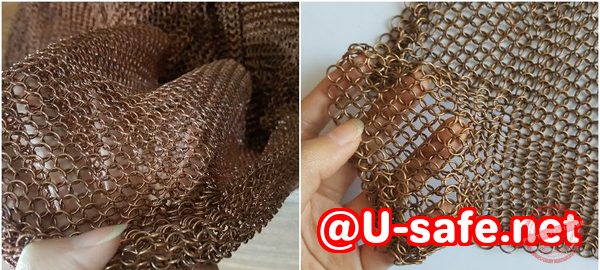
Chainmail Quality: The EN 1082 Standard
The EN 1082 standard is a key guideline when assessing the quality of chainmail products. This European standard outlines the necessary criteria for evaluating the quality, strength, and safety of chainmail, particularly for industrial and protective use. Whether you’re a buyer, collector, or industrial professional, understanding this standard can help you make informed decisions and avoid costly mistakes when choosing chainmail.
In this guide, we’ll walk you through the essential steps for identifying high-quality chainmail. By focusing on factors such as welded rings, stainless steel grades, weave patterns, and material quality, you’ll be equipped to spot low-quality or unsafe products before you make a purchase.
Why Quality Matters: Real-Life Scenarios
Imagine you’re purchasing chainmail for a food processing job. Your primary concern is safety and durability. The last thing you want is to wear chainmail that falls apart after a few uses, or worse, doesn’t provide the necessary protection against sharp objects. I’ve heard countless stories of people investing in what they thought was high-quality chainmail, only to discover the rings were open (not welded), the material wasn’t the right grade of stainless steel, or the weave pattern wasn’t strong enough for industrial work.
Even in the world of cosplay or historical replicas, the quality of the chainmail affects how authentic it looks and how long it lasts. Thin, poorly made chainmail can tarnish, corrode, or fall apart, leaving you with an expensive piece that’s not functional or safe. The good news? With the right knowledge, you can easily distinguish genuine chainmail from subpar imitations.
How to Inspect Chainmail Quality
Let’s break down the key steps you need to take to ensure you’re purchasing top-quality chainmail, whether it’s for cut protection, cosplay, or a collection.
1. Examine the Material: Stainless Steel Grades
When it comes to chainmail, the material you choose plays a huge role in both durability and safety. Stainless steel is the most common material for chainmail, but not all stainless steel is created equal. The two main grades you’ll come across are 304 and 316 stainless steel.
-
304 Stainless Steel: This is the most commonly used grade for decorative or light-duty chainmail. While it offers good rust resistance, it’s not the best choice for industrial or cut-resistant purposes.
-
316 Stainless Steel: This is a higher-quality steel with better corrosion resistance and strength, making it ideal for industrial applications like cut-resistant gloves, food processing, or protective gear. If you’re looking for durability and long-term performance, I highly recommend opting for 316 stainless steel.
Tip: Always check the material used in the chainmail before making a purchase, especially if it’s being used for industrial or safety purposes. If you can’t find this information from the seller, it’s a red flag.
2. Ring Construction: Welded vs. Open Rings
One of the most common mistakes buyers make is confusing welded rings with open rings. While both are used in chainmail construction, welded rings offer far greater durability and protection.
-
Welded Rings: These rings are permanently sealed, which means they won’t separate under stress. This is the best option for industrial and cut-resistant chainmail.
-
Open Rings: These rings are simply linked together, leaving a small gap. They’re suitable for decorative pieces or lightweight applications but aren’t reliable for safety.
Tip: Run your fingers over the rings. If you can feel any gaps or the rings seem easily separable, they are open rings. Welded rings will feel smooth and solid under pressure.
3. Wire Thickness and Inner Diameter
The wire thickness and inner diameter of the rings affect the overall strength and flexibility of the chainmail. Too thin, and the chainmail becomes weak and prone to breaking. Too thick, and the chainmail might become rigid and uncomfortable.
-
Wire Thickness: Ideally, you want a thicker wire for industrial or cut-resistant chainmail, as it will be more resistant to wear and tear. For cosplay or decorative purposes, a thinner wire can suffice.
-
Inner Diameter: The size of the rings affects how tightly the weave can hold together. A larger diameter means the rings will be looser, while a smaller diameter will result in a tighter weave. The most common weave pattern, the European 4-in-1, is a great choice for strength and durability.
Tip: Check the specifications for wire thickness and inner diameter before buying. This information is especially important for safety-critical applications like industrial use.
4. Weave Patterns: The European 4-in-1 Weave
The weave pattern of the chainmail affects its overall strength and durability. The European 4-in-1 weave is one of the most common and strongest patterns used in both protective and decorative chainmail. In this weave, each ring is linked to four other rings, forming a tight, strong structure that’s great for preventing cuts and abrasions.
Tip: Inspect the chainmail closely to see how tight and consistent the weave is. A well-executed 4-in-1 weave will be solid, with no loose rings or gaps.
Why You Need to Inspect Chainmail: Avoiding Unsafe or Low-Quality Products
Proper inspection not only helps ensure the safety and durability of your chainmail but can also save you money in the long run. Here’s how:
-
For Industrial Use: Low-quality chainmail, especially with open rings or poor materials, could break down in a dangerous situation, exposing the wearer to cuts or injuries.
-
For Cosplay or Collectibles: Poorly made chainmail can tarnish, lose its shape, or break apart, ruining the authenticity of your costume or collection.
-
For Food Processing: Chainmail used in food processing must be strong enough to withstand constant contact with sharp tools. Low-quality chainmail can compromise hygiene and safety.
By inspecting the chainmail yourself or relying on a guide like Aegimesh Chainmail’s Inspection Tool, you ensure that what you purchase meets safety standards and offers the durability you expect.
Practical Tips for Chainmail Inspection
Here are a few simple steps to inspect chainmail before buying:
-
Perform a Pull Test: Gently pull on a few rings to check their strength. If any rings come apart easily, the chainmail is likely made with open rings.
-
Check for Corrosion: Look for any signs of rust or corrosion, particularly on low-quality stainless steel. High-grade stainless steel like 316 should resist corrosion for a long time.
-
Evaluate the Weave: Run your fingers over the weave to ensure it’s tight and uniform. A loose or inconsistent weave can affect the overall strength and longevity of the chainmail.
-
Choose the Right Chainmail for Your Purpose: Whether you’re buying chainmail for industrial use, cosplay, or historical replicas, make sure the material and weave are appropriate for the job. Always prioritize safety and durability over aesthetics when it comes to protective gear.
Conclusion: Making the Right Choice for Chainmail Quality
In conclusion, I highly recommend following these inspection methods to ensure any chainmail purchase meets safety and durability standards. By checking for the right material (304 or 316 stainless steel), welded rings, proper wire thickness, and a solid weave pattern like the European 4-in-1, you can avoid buying subpar products and make an informed decision.
Whether you’re investing in chainmail for work, a collection, or cosplay, knowing how to evaluate quality can save you from unnecessary risks and expenses.
Learn more about identifying high-quality chainmail products: Aegimesh Chainmail Inspection Guide
FAQs:
1. How can I tell if a chainmail ring is welded or open?
Look closely at the rings. Welded rings will feel solid and smooth under pressure, while open rings will have a small gap you can feel.
2. Which stainless steel grade is best for long-lasting chainmail?
For durability and resistance to corrosion, 316 stainless steel is the best choice for industrial or cut-resistant chainmail.
3. How do I inspect the weave pattern for strength?
Look for a tight, uniform weave without any loose rings or gaps. The European 4-in-1 weave is a strong option for industrial use.
4. What are the signs of low-quality or unsafe chainmail?
Signs of low-quality chainmail include open rings, thin wire, weak weaves, and signs of corrosion. Always inspect these features before purchase.
5. Can decorative chainmail be used for protective purposes?
While decorative chainmail can look great, it typically lacks the durability and strength needed for protective use. Ensure you choose chainmail that’s rated for safety if that’s your primary concern.
6. How do I choose the right chainmail for industrial vs cosplay use?
For industrial applications, focus on strength, welded rings, and high-quality materials like 316 stainless steel. For cosplay, you can focus more on aesthetics but still prioritize solid construction and comfortable fit.
Tags or Keywords
-
chainmail quality
-
welded rings
-
stainless steel




 한국어
한국어  Русский
  Deutsch
  العربية