


Understanding How EN 1082 Benefits Users of Chainmail in Healthcare
Understanding How EN 1082 Benefits Users of Chainmail in Healthcare
When you’re buying chainmail, whether for industrial use, cosplay, or display, it can be a real challenge to tell which products are actually safe and durable. Picture this: You’re shopping online for high-quality chainmail to use in a healthcare settingmaybe for protective gloves or aprons in food handlingand you’re bombarded with countless options. But how can you ensure that the chainmail you’re about to purchase is the real deal? How do you know if it will protect you in the way you expect or simply fall apart after a few uses? In this post, I’ll walk you through some practical methods to identify high-quality chainmail, using the EN 1082 standard as a key reference point to help you make an informed purchase.
Why EN 1082 Matters
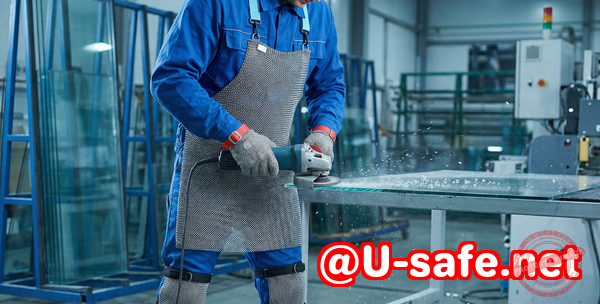
In healthcare, especially in settings like food processing or medical environments, safety is non-negotiable. Chainmail is often used to protect workers from cuts and abrasions, but not all chainmail is created equal. Some products might look the part but fail to meet the necessary standards for durability or safety. That’s where EN 1082 comes in.
The EN 1082 standard outlines the requirements for cut-resistant chainmail used in various industries, including healthcare. This standard helps ensure that the chainmail provides the level of protection it promises by addressing key aspects like material quality, ring integrity, and overall durability.
Common Pitfalls in Buying Chainmail
Let’s face it: Shopping for chainmail, especially online, can be a headache. Many buyers, whether industrial users, collectors, or even cosplayers, run into the same issues when evaluating chainmail products. Here are a few common pain points:
-
Difficulty distinguishing welded from open rings: One of the most common problems people face is figuring out whether the rings in a piece of chainmail are welded or open. Welded rings are essential for strength and safety, while open rings (which are not securely fastened) may compromise the protection chainmail offers.
-
Uncertainty about stainless steel grades: You might be asking yourself, “What’s the difference between 304 and 316 stainless steel?” This question is critical because 316 stainless steel offers superior corrosion resistance, which is especially important in healthcare and food processing environments where hygiene is crucial.
-
Inconsistent weave patterns: Weave patterns like the European 4-in-1 are often touted as a symbol of strength, but not all chainmail is woven to the same standards. Weak or poorly constructed weaves can leave chainmail vulnerable to damage, making it unsuitable for protective use.
How to Evaluate Chainmail for Quality and Safety
So, how can you avoid these pitfalls and make sure you’re buying quality chainmail that meets the necessary safety standards? Here’s a simple guide to help you evaluate your chainmail purchases:
1. Check the Material: Stainless Steel is Your Friend
The first thing to inspect is the material of the chainmail. The two most common types of stainless steel used in chainmail are 304 and 316. While 304 stainless steel is good for general use, 316 stainless steel is far more corrosion-resistant, which makes it ideal for environments like food processing or healthcare where hygiene and resistance to corrosion are vital.
-
304 Stainless Steel: Corrosion-resistant but not as resistant as 316, good for less demanding applications.
-
316 Stainless Steel: Excellent resistance to corrosion, perfect for healthcare and food environments where cleanliness is crucial.
When you buy Aegimesh Chainmail, you’ll know exactly which grade you’re getting. Aegimesh uses high-quality stainless steel that ensures long-lasting protection.
2. Inspect the Ring Welding
Chainmail rings can either be welded or open. Welded rings are the gold standard for strength and safety. They are formed by joining the edges of the metal rings together, creating a seamless bond that can withstand heavy use without the risk of breaking apart.
-
Welded Rings: Ensure durability and reliability, especially in safety applications.
-
Open Rings: May compromise the strength of the chainmail, making it unsuitable for high-risk environments like healthcare.
It’s easy to tell the difference. Gently pull a ring apart or look for visible seams. If the rings are open, it’s time to look elsewhere.
3. Evaluate the Weave Pattern
The weave pattern of the chainmail is just as important as the material. The European 4-in-1 weave is one of the most common patterns for high-quality chainmail. This pattern involves each ring passing through four others, creating a tight, interwoven structure that is highly durable and resistant to cuts.
-
European 4-in-1: This is a reliable, strong weave that provides the best protection and durability for industrial and healthcare settings.
-
Other Weave Patterns: Some cheaper chainmail uses looser weaves, which may look similar but offer far less protection.
When you inspect chainmail for quality, check the uniformity of the rings and how tightly they are woven together. A loose weave is a red flag.
4. Check Ring Diameter and Wire Thickness
The thickness of the wire and the diameter of the rings also play a significant role in the strength and effectiveness of chainmail. Thicker wires and smaller ring diameters typically indicate stronger and more durable chainmail. For healthcare settings, this is especially crucial as you need chainmail that can withstand the stresses of everyday use without breaking down.
-
Wire Thickness: The thicker the wire, the more resistant the chainmail is to wear and tear.
-
Ring Diameter: Smaller rings tend to provide better coverage and greater protection.
5. Perform a Simple Pull Test
Once you’ve inspected the chainmail visually, you can perform a simple pull test to check its integrity. Hold a section of the chainmail firmly and give it a gentle tug. If the weave holds up without giving, it’s a good sign that you’re dealing with quality material. If the rings start to pull apart, it’s best to move on.
Benefits of Proper Chainmail Inspection
By following these steps and inspecting chainmail before purchase, you’re not just ensuring that your product is safeyou’re also protecting yourself and your investment. Whether you’re looking for industrial cut protection or a cosplay costume that won’t fall apart mid-event, a proper inspection ensures:
-
Safety: You’re preventing any potential injuries that could come from wearing low-quality or poorly constructed chainmail.
-
Durability: Aegimesh Chainmail, for instance, is built to last and offers you excellent value for money.
-
Cost Savings: Identifying low-quality products before you buy saves you from spending money on chainmail that won’t hold up in the long run.
Conclusion: Make an Informed Choice
I can’t stress enough how important it is to inspect chainmail before you make a purchase. Whether you’re buying for industrial use, cosplay, or collecting, following these inspection methods ensures that you get a product that’s safe, durable, and effective. Trust me, taking the time to evaluate chainmail now can save you a lot of frustration later.
I highly recommend following these steps to ensure any chainmail purchase meets safety and durability standards.
Learn more about identifying high-quality chainmail products: https://www.aegimesh.com/
Check out our detailed chainmail inspection guide today.
FAQ
1. How can I tell if a chainmail ring is welded or open?
Look closely at the ring. If there’s a visible seam or gap, it’s open. Welded rings will have no gap and will appear solid.
2. Which stainless steel grade is best for long-lasting chainmail?
316 stainless steel is the best for healthcare and food applications due to its superior corrosion resistance. 304 is good for general use but doesn’t perform as well in demanding environments.
3. How do I inspect the weave pattern for strength?
Check if the weave is tight and consistent. The European 4-in-1 weave is ideal for strength, as each ring passes through four others to form a solid structure.
4. What are the signs of low-quality or unsafe chainmail?
Loose or uneven weave patterns, open rings, and thin, weak wire are all signs of poor-quality chainmail. These can compromise the durability and safety of the product.
5. Can decorative chainmail be used for protective purposes?
Decorative chainmail is usually not built for durability or protection. It may look good for display or cosplay, but it won’t provide the safety you need for industrial or medical use.
6. How do I choose the right chainmail for industrial vs cosplay use?
For industrial use, look for chainmail made from 316 stainless steel with welded rings and a tight European 4-in-1 weave. For cosplay, you can opt for decorative chainmail made from lighter materials, but make sure it still has decent quality for the desired look.
7. How do I know if the chainmail I’m buying is safe for food handling?
Make sure the chainmail is made of 316 stainless steel, has welded rings, and is free from any gaps or weak points. You can also check for EN 1082 compliance, which ensures the product meets safety standards for food processing.
Tags or Keywords
-
chainmail quality
-
welded rings
-
stainless steel chainmail
-
cut-resistant chainmail
-
chainmail inspection
-
European 4-in-1 weave
-
chainmail durability




 한국어
한국어  Русский
  Deutsch
  العربية