


What Is Food-Grade Chainmail
What Is Food-Grade Chainmail?
When you’re purchasing chainmail for protection, cosplay, or industrial use, one of the biggest challenges is knowing what you’re getting. With so many types of chainmail available, it’s not always obvious which ones are designed for safety and durability. For instance, chainmail used in food processing has to meet certain standards that other types may not. But how can you tell the difference? And what does “food-grade” really mean when it comes to chainmail?
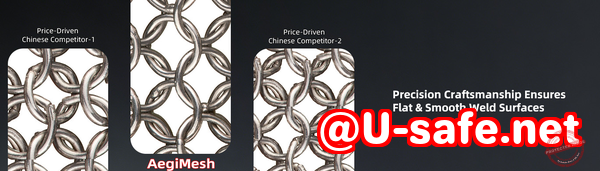
I’ve been in your shoes, struggling to find a piece of chainmail that meets the specific needs of a particular job. Whether it’s for an industrial application or something as niche as food handling, the process of ensuring that the chainmail is up to standard can be overwhelming. That’s where knowing the key factors in inspecting and evaluating chainmail comes inespecially when food-grade safety is a concern.
In this post, I’ll walk you through the key things to look for when evaluating food-grade chainmail and share some helpful tips to ensure you’re making the best purchase.
Why Food-Grade Chainmail Matters
Food processing involves handling sharp tools, hot surfaces, and often, the need to follow strict hygiene standards. For these tasks, you can’t just use any chainmail. The materials, weave pattern, and quality of welding all play crucial roles in ensuring your safety and maintaining hygiene.
Food-grade chainmail is specifically designed for use in environments where food is being handled, cut, or processed. It’s typically made from high-quality stainless steel to ensure it resists corrosion, remains durable, and doesn’t contaminate the food. Whether you’re dealing with raw meat, fruits, or vegetables, using food-grade chainmail can help prevent injury and ensure safety during the processing stage.
The big question is: how do you differentiate food-grade chainmail from decorative or low-quality versions?
Pain Points: What Goes Wrong When You Buy the Wrong Chainmail
-
Distinguishing Welded Rings from Open Rings:
This is one of the most common issues when purchasing chainmail. While it might look like chainmail, some cheaper versions use open rings that can easily break apart. For food processing and industrial use, welded rings are a must because they provide the durability and security needed in these high-stress environments.
-
Material and Corrosion Resistance:
Stainless steel is your friend when it comes to food-grade chainmail, but not all stainless steel is created equal. Grades like 304 stainless steel can rust when exposed to moisture, which is common in food processing settings. Higher-quality grades like 316 stainless steel offer better resistance to corrosion, which is why it’s preferred for food-grade applications.
-
Weak or Inconsistent Weaves:
If the weave pattern isn’t tight or consistent, the chainmail can lose its protective properties, making it unsafe for industrial use. For food handling, the chainmail needs to be both durable and hygienic, and this starts with the weave pattern. Some weaves, like the European 4-in-1, are known for their strength and reliability.
The Aegimesh Chainmail Solution
At Aegimesh, we’ve designed a comprehensive guide to help buyers like you understand how to inspect chainmail for quality. Here’s a quick look at what to check for when evaluating food-grade chainmail:
-
Material Type: 304 vs 316 Stainless Steel
-
304 Stainless Steel: Common but less corrosion-resistant. Suitable for dry environments or decorative purposes.
-
316 Stainless Steel: Preferred for food-grade chainmail because it resists corrosion better, even in high-moisture or acidic environments. It’s the safer, longer-lasting choice for food handling.
-
-
Welding Quality:
-
Check whether the rings are welded or simply twisted. Welded rings are much stronger and won’t open up like twisted rings can. For food-grade chainmail, it’s essential to use welded rings for maximum durability and safety.
-
-
Wire Thickness & Inner Diameter:
-
The wire thickness and inner diameter of the rings affect the strength of the chainmail. Thicker wire and smaller diameters make the weave tighter and stronger, providing better protection. It’s important to look for consistent ring sizing to ensure the chainmail holds up under stress.
-
-
Weave Patterns:
-
The European 4-in-1 weave is a classic choice for high-quality chainmail, offering strength and flexibility. It’s one of the most widely used weaves in industrial and protective chainmail because it offers excellent coverage and resistance against cutting or stabbing.
-
How to Inspect Food-Grade Chainmail
Once you understand what to look for, inspecting food-grade chainmail becomes easier. Here are some practical tips for evaluating the quality of chainmail before making a purchase:
-
Perform a Pull Test:
One simple way to check the quality of the chainmail is by performing a pull test. Gently tug on a ring to see if it holds its shape. If the rings pull apart or feel loose, the quality is compromised, and it may not be suitable for high-risk environments.
-
Look for Signs of Corrosion:
While chainmail is meant to resist corrosion, inferior stainless steel will show signs of rust or staining, especially in high-moisture environments. For food-grade chainmail, check for any discoloration or rust, especially around the welds.
-
Examine the Weave Pattern:
The weave pattern should be tight and consistent. European 4-in-1 is the preferred choice for high-quality chainmail because it provides strong, evenly spaced rings that won’t collapse or break under pressure.
-
Check the Finish:
Food-grade chainmail should have a smooth, polished finish to avoid contamination and minimize bacteria buildup. Rough or poorly finished chainmail may cause issues with hygiene, which is a huge concern in food-processing environments.
Conclusion: Protect Yourself and Your Purchase
When buying food-grade chainmail, I highly recommend using these inspection methods to ensure you’re getting a high-quality, safe product. Whether you need it for food handling, industrial use, or cosplay, quality chainmail will not only provide you with better protection, but it will also last longer and save you money in the long run.
By carefully evaluating material type, ring welding, weave pattern, and overall finish, you can easily avoid poor-quality chainmail that could compromise safety or durability. And if you’re still unsure, don’t hesitate to reach out to reputable brands like Aegimesh for expert advice.
Check out our full chainmail inspection guide today to make sure your next purchase meets the highest standards of quality and safety.
Preguntas frecuentes
1. How can I tell if a chainmail ring is welded or open?
Welded rings are permanently fused together and cannot be pulled apart, unlike open rings that are just twisted. Look for smooth, consistent welds at each ring’s seam.
2. Which stainless steel grade is best for long-lasting chainmail?
316 stainless steel is the best choice for food-grade chainmail due to its superior resistance to corrosion and rust, making it ideal for food processing environments.
3. How do I inspect the weave pattern for strength?
Look for tight and consistent rings with no gaps or loose sections. The European 4-in-1 weave is a strong and reliable pattern for industrial and food-grade uses.
4. What are the signs of low-quality or unsafe chainmail?
Signs of poor-quality chainmail include loose rings, inconsistent weave, rust, or rough finishes. Always ensure you inspect for these issues before making a purchase.
5. Can decorative chainmail be used for protective purposes?
While decorative chainmail may look similar, it’s often made from lower-quality materials and lacks the durability required for protection. Always choose industrial-grade or food-grade chainmail for safety.
6. How do I choose the right chainmail for industrial vs cosplay use?
For industrial use, opt for chainmail made from 316 stainless steel with a tight European 4-in-1 weave. For cosplay, the focus is more on aesthetics, but durability should still be a consideration.
Learn more about identifying high-quality chainmail products: Aegimesh Chainmail Guide
Check out our detailed chainmail inspection guide today!
Explore Aegimesh Chainmail Software at: https://www.aegimesh.com/





 한국어
한국어  Русский
  Deutsch
  العربية