


The Role of EN 1082 in Regulating Chainmail for Knife and Cut Protection
The Role of EN 1082 in Regulating Chainmail for Knife and Cut Protection
When it comes to safety, especially in environments like food processing, industrial work, or even cosplay, ensuring that your chainmail offers genuine protection is critical. If you’re purchasing chainmail for its intended purposebe it cut protection, historical reenactment, or cosplayit’s important to know that you’re getting a high-quality product that will perform safely and effectively. Unfortunately, distinguishing a high-quality piece of chainmail from a low-quality one can be tricky. This is where the EN 1082 standard comes in, offering vital guidelines that help manufacturers and consumers alike identify top-tier products.
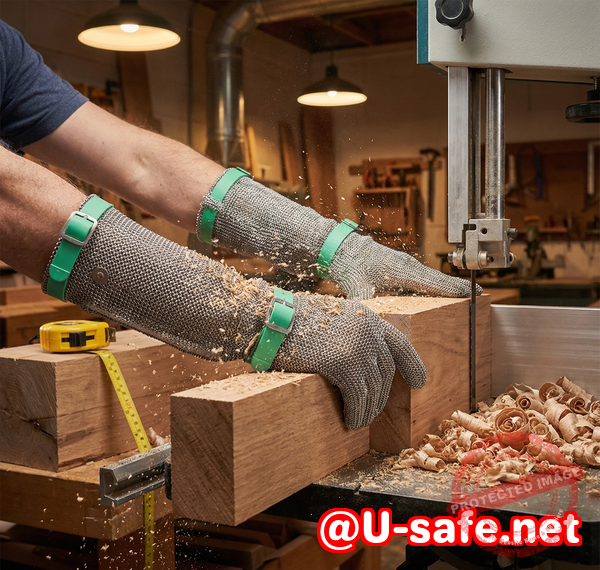
In this article, we’ll explore how EN 1082 influences chainmail quality, and more importantly, how you can use the guidelines to make informed decisions when selecting the right chainmail for your needs. Whether you’re buying for industrial use, cosplay, or historical reenactments, knowing how to properly evaluate your chainmail could make all the difference in terms of safety, durability, and longevity.
Why EN 1082 Matters in Chainmail Regulation
Before diving into the nitty-gritty of evaluating chainmail quality, let’s take a moment to understand the significance of EN 1082. This European standard outlines the requirements for protective clothing and equipment, including chainmail, intended to reduce the risks associated with cuts from knives and other sharp objects.
The goal of EN 1082 is simple: to establish a uniform testing and classification system that ensures the chainmail will provide the necessary protection. It takes into account factors such as the type of material used, the density of the weave, and the strength of the rings, all of which play a crucial role in the overall performance of the chainmail.
The EN 1082 standard can be particularly useful for buyers who are not experts in chainmail construction but want assurance that the product they are purchasing meets safety and quality standards. Whether you’re working in a high-risk industrial setting, handling food, or dressing up for a costume, you can rest easy knowing that chainmail conforming to EN 1082 is designed to protect you.
The Common Pain Points of Buying Chainmail
If you’ve ever shopped for chainmail, you know how confusing it can be. Chainmail can look strikingly similar from the outside, but the inner workings are what really count. Here are some of the most common pain points buyers face when evaluating chainmail products:
-
Identifying Welded vs. Open Rings: One of the biggest challenges is determining whether the rings are welded or open. Open rings are generally weaker and more prone to breaking over time, which can compromise safety.
-
Understanding Material Quality: Many buyers are unsure about the difference between various grades of stainless steel, such as 304 and 316. While both are strong, 316 stainless steel has superior corrosion resistance and is ideal for food processing or marine environments.
-
Weak or Inconsistent Weaves: Weaves like European 4-in-1 are well-regarded for their strength, but inconsistencies in the weave pattern can lead to weaknesses in the overall structure. A poorly woven piece of chainmail is more likely to fail under stress.
To avoid these pitfalls, you need a simple, step-by-step guide to evaluating chainmail quality, and that’s exactly what we’ll provide.
How to Inspect Chainmail: A Step-by-Step Guide
1. Check the Material Type
The first step in evaluating your chainmail is to determine what it’s made from. The most commonly used materials for high-quality chainmail are stainless steel alloys, particularly 304 and 316.
-
304 Stainless Steel: This is a more affordable, common option, suitable for most general uses, including cosplay and decorative pieces. However, it’s more prone to corrosion over time, especially when exposed to harsh chemicals or moisture.
-
316 Stainless Steel: This alloy offers superior corrosion resistance and is perfect for environments like food processing or marine applications, where exposure to moisture and chemicals is common.
2. Inspect the Rings: Welded vs. Open
Once you’ve confirmed the material type, the next step is inspecting the rings. High-quality chainmail products typically feature welded rings, where the ends of the wire are fused together, creating a strong, seamless bond. In contrast, open rings are simply bent, and these can easily come apart under stress.
Here’s a quick tip: To test the quality of the rings, try pulling them apart with your hands. If they bend or break easily, the rings are likely open, which means the chainmail is not suitable for cut protection.
3. Assess the Ring Thickness and Diameter
The thickness and diameter of the rings also play a major role in the overall strength of the chainmail. The rings should be thick enough to withstand cutting or stabbing forces, and the inner diameter should allow for a tight, secure weave.
-
Ring Thickness: Thicker rings provide more protection, as they are harder to cut through. However, they also make the chainmail heavier, so it’s important to strike a balance between protection and comfort.
-
Ring Diameter: A smaller ring diameter results in a denser weave, which in turn offers better protection. For industrial applications, look for chainmail with smaller rings for maximum coverage.
4. Examine the Weave Pattern: European 4-in-1
The weave pattern is another essential factor when evaluating chainmail. European 4-in-1 is one of the most reliable weave patterns for cut-resistant chainmail. In this pattern, each ring is passed through four others, creating a tight, interlocking mesh. This dense weave provides excellent protection against knives and sharp objects.
When inspecting the weave, check for consistency in the pattern. Uneven or loose weaves can reduce the overall strength of the chainmail and lead to gaps in protection.
5. Perform a Simple Pull Test
To test the overall durability of the chainmail, conduct a simple pull test. Grab a section of the chainmail and gently pull apart. A well-made chainmail should resist stretching and should return to its original shape after being pulled. If it easily deforms or the rings begin to separate, that’s a sign of poor craftsmanship.
6. Look for Signs of Corrosion
Corrosion can weaken chainmail, so it’s essential to inspect your product for any signs of rust or oxidation. Stainless steel chainmail should have a smooth, shiny finish. If you notice any discoloration, it could indicate that the material is starting to degrade.
7. Match the Chainmail Type to Your Needs
Finally, make sure you’re choosing the right type of chainmail for your specific use case. If you need chainmail for industrial cut protection, you’ll want to focus on thicker, tighter weaves with corrosion-resistant materials like 316 stainless steel. For cosplay or decorative purposes, you can focus more on aesthetics and don’t necessarily need to prioritize high-strength materials.
Why Chainmail Inspection Matters: Real-Life Scenarios
Let’s take a moment to consider some real-life scenarios where high-quality chainmail can make a big difference:
-
Food Processing: In industries like food processing, workers handle sharp knives regularly. Substandard chainmail could lead to serious injury. By following our inspection guide, you can ensure that your chainmail will offer the protection needed to reduce the risk of cuts.
-
Cosplay: For those dressing up as knights or historical figures, choosing durable chainmail isn’t just about aesthetics; it’s about the comfort and longevity of your costume. A poorly made piece of chainmail could break mid-event, leading to frustration and even injury.
-
Historical Replicas: Enthusiasts of historical reenactments know how important it is to have accurate, high-quality chainmail. The strength of the rings and the accuracy of the weave pattern can contribute to the authenticity and safety of the costume.
Conclusion: Ensuring Quality Chainmail Purchases
In conclusion, knowing how to properly inspect chainmail can save you a lot of frustration, money, and potential safety risks. By following the guidelines provided, you can ensure that you are purchasing high-quality chainmail that meets the necessary durability and safety standards.
If you’re unsure about any aspect of chainmail inspection, I highly recommend checking out Aegimesh Chainmail’s detailed guide on identifying quality chainmail. This tool will provide all the information you need to evaluate your purchase with confidence.
Ready to make your next chainmail purchase?
Check out our detailed chainmail inspection guide today: Aegimesh Chainmail Inspection Guide.
FAQ
1. How can I tell if a chainmail ring is welded or open?
You can tell by gently pulling the rings apart. Welded rings won’t separate, while open rings will bend or break easily.
2. Which stainless steel grade is best for long-lasting chainmail?
316 stainless steel is the best option for durability and corrosion resistance, especially in environments with exposure to moisture or chemicals.
3. How do I inspect the weave pattern for strength?
Look for consistent, tight weaves like European 4-in-1. Inconsistent weaves indicate weak points in the chainmail.
4. What are the signs of low-quality or unsafe chainmail?
Low-quality chainmail may have open rings, loose weaves, thin wire, or signs of corrosion.
5. Can decorative chainmail be used for protective purposes?
Decorative chainmail may not offer the same level of protection as industrial-grade chainmail. It’s best for cosplay or historical replicas.
6. How do I choose the right chainmail for industrial vs. cosplay use?
For industrial use, prioritize durability and cut resistance (316 stainless steel, tight weaves). For cosplay, focus on aesthetics and comfort, with less emphasis on strength.
Tags/Keywords:
chainmail quality, welded rings, stainless steel




 한국어
한국어  Русский
  Deutsch
  العربية