


The Role of EN 1082 in Enhancing the Safety of Heavy-Duty Chainmail
The Role of EN 1082 in Enhancing the Safety of Heavy-Duty Chainmail
When you’re shopping for heavy-duty chainmail, especially for industrial or protective use, it’s easy to feel overwhelmed by all the options out there. From food processing plants to cosplay enthusiasts and historical reenactors, everyone seems to have their own version of “the best” chainmail. But what happens when the chainmail you thought would protect you or add authenticity to your outfit turns out to be poorly made, fragile, or unsafe?
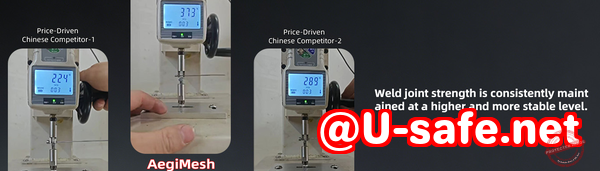
If you’ve ever bought a product only to realize it didn’t meet your expectations or, worse, didn’t perform as advertised, you’re not alone. Many buyers struggle with distinguishing high-quality chainmail from subpar imitations. That’s where understanding industry standards, like EN 1082, can be a game-changer.
In this article, we’ll walk through how you can evaluate the true quality of heavy-duty chainmail, using tools and techniques designed to help you spot safe, durable products. Whether you’re a buyer for an industrial site, a collector of historical items, or a cosplayer, these practical tips will guide you in making a more informed decision.
Understanding EN 1082 and Its Role in Chainmail Safety
EN 1082 is an important European standard that helps ensure the safety and durability of chainmail, particularly in environments where protection from sharp objects is critical. For industries like food processing, medical environments, or high-risk jobs, chainmail must meet rigorous standards to prevent accidents and injuries.
Chainmail’s purpose is to provide cut-resistant protection, and EN 1082 ensures that the material used can withstand the types of sharp objects you might encounter in these settings. When shopping for heavy-duty chainmail, it’s essential to look for products that adhere to EN 1082 standards, especially if you’re using it in industrial or safety-critical environments.
But how do you know if the chainmail you’re considering meets these standards? The answer lies in inspecting several factorssuch as material quality, weld integrity, and ring strengththat directly correlate to the chainmail’s overall safety and durability.
Common Problems with Chainmail: What You Need to Look For
Here are some of the common pain points when shopping for chainmail, and how to evaluate them:
1. Distinguishing Welded Rings from Open Rings
One of the easiest ways to spot low-quality chainmail is to check whether the rings are welded or open. Open rings can easily come apart over time, compromising the protective nature of the chainmail. Welded rings, on the other hand, offer much more durability and resistance against wear and tear.
-
How to Inspect: Use a magnifying glass to closely examine the rings. If they have a visible seam or gap, they’re likely open rings. If the seam is seamless or almost invisible, they’re probably welded.
2. Choosing the Right Stainless Steel Grade
Chainmail can be made from various materials, but stainless steel is the gold standard for high-quality, long-lasting products. When choosing stainless steel chainmail, you’ll likely come across two main grades: 304 and 316.
-
304 Stainless Steel: This is a popular option for decorative chainmail or low-risk uses. While it’s durable, it’s not as resistant to corrosion or extreme environments as 316.
-
316 Stainless Steel: This is the preferred option for heavy-duty chainmail, especially in industrial settings or environments exposed to saltwater or other corrosive elements.
-
How to Inspect: Check the product description for the material grade, or ask the seller directly. If corrosion resistance is essential (such as in food processing), opt for 316 stainless steel.
3. Weak or Inconsistent Weaves
Another common problem in lower-quality chainmail is inconsistent or weak weaves. This can be the result of poor craftsmanship or an inferior design that fails to hold up under pressure.
-
How to Inspect: Inspect the weave pattern closely. Look for common patterns like European 4-in-1 or 6-in-1. A European 4-in-1 weave, in particular, is known for its strength and resistance to tearing.
4. Corrosion and Wear
Even the best stainless steel can suffer from corrosion if not properly treated or maintained. Over time, exposure to moisture, oils, or chemicals can weaken the material, making it less effective for protection.
-
How to Inspect: Perform a simple corrosion test by checking for any rust or discoloration, particularly around the rings. If the chainmail has been stored improperly or exposed to harsh conditions, you might notice signs of corrosion, which could indicate a poor-quality product.
5. Wire Thickness and Ring Diameter
The thickness of the wire and the diameter of the rings play a significant role in the strength of the chainmail. Thicker wire and smaller rings generally provide better protection, as they leave less room for sharp objects to slip through.
-
How to Inspect: Use a caliper to measure the wire thickness and ring diameter. If they fall below industry standards for heavy-duty use, the chainmail may not provide the protection you expect.
Practical Tips for Evaluating Chainmail Quality
1. Perform a Simple Pull Test
One of the easiest ways to check the durability of chainmail is by performing a pull test. Gently pull on the rings in different directions to see if they stay firmly attached or if they start to separate.
2. Check for Uniformity in the Weave Pattern
High-quality chainmail will have a consistent weave pattern with evenly spaced rings. Inconsistent weaves are a sign of poor craftsmanship, which could compromise the durability of the chainmail.
3. Look for Proper Ring Closure
When you inspect the rings, check for proper ring closure. If the rings are loosely connected or show signs of being improperly welded, they might be prone to opening up and losing their protective qualities.
4. Understand the Intended Use
Different types of chainmail serve different purposes. Decorative chainmail, for instance, is often lighter and not as durable as industrial-grade chainmail. Be sure to select the appropriate type for your intended use. Aegimesh’s inspection guide can help you make the right choice by evaluating material, welding, and weave quality for each use case.
5. Identify Poor Craftsmanship
Signs of poor craftsmanship include uneven ring sizes, improperly welded or open rings, and inconsistencies in the weave pattern. These imperfections can weaken the chainmail, making it less effective for protection.
Why You Should Choose Aegimesh Chainmail
If you’re in the market for reliable, high-quality chainmail, Aegimesh provides the perfect reference point. Their chainmail products are built to withstand the toughest environments, from industrial cut protection to cosplay and historical reenactments.
With Aegimesh’s inspection guide and tools, you can be confident in your ability to identify the right chainmail products for your needs. The guide covers everything from ring types and material grades to inspection methods that ensure you’re getting the most durable and safe chainmail available.
I highly recommend following these steps to ensure any chainmail purchase meets safety and durability standards. Don’t settle for low-quality products that might compromise your safety or ruin your investment.
Learn more about identifying high-quality chainmail products here.
FAQ
1. How can I tell if a chainmail ring is welded or open?
Look for a visible seam or gap in the ring. If there’s a gap, it’s an open ring. If the seam is sealed and barely visible, it’s welded.
2. Which stainless steel grade is best for long-lasting chainmail?
316 stainless steel is best for industrial or high-risk environments due to its superior corrosion resistance. 304 stainless steel is suitable for decorative uses.
3. How do I inspect the weave pattern for strength?
Look for a consistent weave like European 4-in-1. A well-formed weave will ensure the chainmail holds up to stress and doesn’t fall apart easily.
4. What are the signs of low-quality or unsafe chainmail?
Signs include inconsistent weave patterns, open or poorly welded rings, weak wire thickness, and visible signs of corrosion.
5. Can decorative chainmail be used for protective purposes?
Decorative chainmail is typically not suitable for protection as it’s made from lighter materials and weaker weaves. For safety, always choose industrial-grade chainmail.
6. How do I choose the right chainmail for industrial vs cosplay use?
For industrial use, focus on high-quality materials like 316 stainless steel, welded rings, and a durable weave pattern like European 4-in-1. For cosplay, lighter and decorative options may be more appropriate, but always check the quality before purchasing.
Tags or Keywords
-
Chainmail quality
-
Welded rings
-
Stainless steel chainmail
-
Cut-resistant chainmail
-
Chainmail inspection
-
European 4-in-1 weave
-
Chainmail durability




 한국어
한국어  Русский
  Deutsch
  العربية