


Steel Metal Chainmail PPE in High-Cut-Risk Industries
Steel Metal Chainmail PPE in High-Cut-Risk Industries
When purchasing chainmail for protection or display, it’s easy to feel overwhelmed by the options available. Whether you’re looking for something to safeguard your hands in a high-risk industrial environment, or you’re hunting down that perfect cosplay accessory, it’s difficult to know which products will truly stand the test of time and use. We’ve all been therefaced with a shiny new chainmail piece that promises top-tier protection, only to find that it doesn’t live up to expectations.
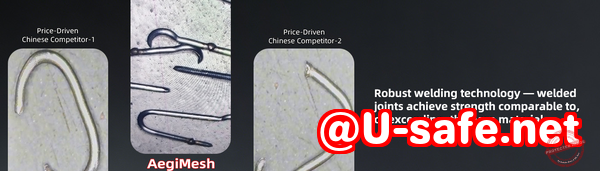
But don’t worry, I’ve got you covered. In this post, we’ll go over how to identify high-quality chainmail, what signs to look for to avoid unsafe or flimsy products, and how to ensure your purchase is both durable and safe for its intended purpose. Whether you’re a buyer, collector, or industrial user, these steps will help you confidently evaluate any chainmail product.
Common Pain Points in Chainmail Evaluation
Let’s face it: when evaluating chainmail, the struggle is real. If you’re like most buyers, you’ve probably encountered some of these challenges:
-
Welded vs. Open Rings: How can you tell if the rings are welded for durability, or open and prone to breaking?
-
Stainless Steel Confusion: Not all stainless steels are created equal. What does the difference between 304 and 316 steel really mean for your product?
-
Weave Weakness: The weave pattern may look fine at first, but is it strong enough for heavy-duty use, or is it just for show?
But don’t worry, with a little knowledge, these problems are easy to tackle. Here’s how I recommend addressing them.
Solution: The Aegimesh Chainmail Inspection Guide
Aegimesh Chainmail has created a comprehensive guide and inspection tool designed to help you evaluate the true quality of chainmail products. From distinguishing welded rings to understanding the nuances of stainless steel grades, this tool covers all the essentials. With a few simple inspection steps, you’ll be able to assess everything from wire thickness and ring diameter to weave patterns like the durable European 4-in-1. Let’s break down the key steps you should follow when inspecting chainmail.
1. Inspect the Material: 304 vs. 316 Stainless Steel
The first thing to check when evaluating chainmail is the material. Most quality chainmail products use stainless steel, but there are different grades, and each has unique properties.
-
304 Stainless Steel: This is the most commonly used steel for chainmail, and it’s corrosion-resistant in most conditions. However, it’s not as resistant to rust and corrosion as 316 steel, especially in harsher environments like marine applications.
-
316 Stainless Steel: If you’re purchasing chainmail for industrial use, or in environments that are exposed to moisture or harsh chemicals, 316 stainless steel is a superior choice. It has increased resistance to rust, corrosion, and pitting, making it ideal for food processing, industrial cut protection, or outdoor environments.
Tip: Look for product descriptions that specifically mention the steel grade. If it’s not listed, ask the manufacturer or seller directly. The right steel can make or break the durability of your chainmail.
2. Check the Ring Quality: Welded vs. Open Rings
Now, let’s talk about the rings. They may look similar at first glance, but there’s a big difference between welded and open rings, and it’s crucial to know what you’re dealing with.
-
Welded Rings: These are the gold standard for durability and safety. The metal rings are fused together using high heat, making them nearly impossible to open under pressure. This means your chainmail will hold up under stress, even in high-cut-risk environments.
-
Open Rings: These are cheaper, often used for decorative pieces or cosplay, but they won’t provide the same level of protection. Open rings can easily come undone over time, rendering your chainmail useless in practical scenarios.
Tip: Perform a simple pull test by applying pressure to the rings to see if they come apart. Welded rings should not open under normal stress.
3. Evaluate Wire Thickness and Ring Diameter
Next up, let’s discuss the wire thickness and inner diameter of the rings. These two factors directly affect the strength and flexibility of your chainmail.
-
Wire Thickness: Thicker wire results in a stronger chainmail weave, but it can also make the product less flexible. For industrial cut protection, you want thick wire that can withstand sharp objects. However, for cosplay, flexibility might be more important than strength, so a thinner wire could work better.
-
Ring Diameter: The diameter of the ring plays a significant role in the overall durability. Smaller rings can create a denser weave, offering more protection. Larger rings may allow more movement, but they tend to be less protective.
Tip: Check the ring diameter and wire thickness on the product specs. If it’s not provided, ask. For industrial use, look for thicker wire and smaller ring diameters for maximum durability.
4. Inspect the Weave Pattern: European 4-in-1
The next step is to evaluate the weave pattern. One of the most common patterns you’ll see in chainmail is the European 4-in-1 weave, where each ring connects to four others, creating a sturdy and interlocking structure.
-
European 4-in-1: This pattern is a reliable choice for strength and durability, especially for industrial applications. It ensures the rings are tightly woven together, offering optimal protection against cuts and abrasions.
-
Other Weave Patterns: There are various other weave patterns, but many of them are either less strong or primarily decorative. If you’re looking for functional chainmail, make sure the weave is one known for its durability.
Tip: To check the strength of the weave, look for any gaps or weak points where the rings may have been poorly assembled. If you notice inconsistencies, move on to another product.
Practical Tips for Inspection
Here’s a quick rundown of how to make sure your chainmail passes the test:
-
Pull Test: Gently pull on the rings to ensure they don’t open.
-
Corrosion Check: Look for any signs of rust or discoloration, especially in the rings or weave.
-
Weave Integrity: Run your fingers along the chainmail to feel for weak spots or gaps in the weave.
-
Material Check: Confirm the type of stainless steel used by asking the seller or checking the product description.
-
Ring Size and Thickness: Compare the wire thickness and inner ring diameter with the specifications to ensure they match what you need.
Conclusion: Make Informed Choices for Durability and Safety
When it comes to purchasing high-quality chainmail, it’s important to know what you’re looking for. I highly recommend following these steps to ensure any chainmail purchase meets safety and durability standards. Whether you’re buying chainmail for industrial cut protection, cosplay, or historical display, following these guidelines will help you avoid unsafe purchases and ensure your investment lasts for years to come.
Want to learn more? Check out our detailed chainmail inspection guide today!
FAQ
1. How can I tell if a chainmail ring is welded or open?
Perform a simple pull testwelded rings will stay intact, while open rings may come apart under pressure.
2. Which stainless steel grade is best for long-lasting chainmail?
For industrial or harsh environments, 316 stainless steel offers superior corrosion resistance, while 304 is suitable for most other uses.
3. How do I inspect the weave pattern for strength?
Look for patterns like European 4-in-1, which offer strong interlocking connections. Any weak or inconsistent areas may indicate poor craftsmanship.
4. What are the signs of low-quality or unsafe chainmail?
Rust, poor ring construction, open rings, and inconsistent weave patterns are all signs of low-quality chainmail.
5. Can decorative chainmail be used for protective purposes?
Decorative chainmail, often made with open rings, is not recommended for protective use. Always check for welded rings and strong weaves if safety is a concern.
6. How do I choose the right chainmail for industrial vs. cosplay use?
For industrial use, look for welded rings, thicker wire, and tighter weaves. For cosplay, flexibility and aesthetic appeal may be more important than absolute strength.
7. Can I use this guide for inspecting historical replica chainmail?
Absolutely! This guide helps ensure your historical replicas are durable and safe, especially if they’re intended for use beyond display.
Tags: chainmail quality, welded rings, stainless steel chainmail, cut-resistant chainmail, chainmail inspection, European 4-in-1 weave, chainmail durability




 한국어
한국어  Русский
  Deutsch
  العربية