


Steel Metal Chainmail in Processing Plant Safety
Steel Metal Chainmail in Processing Plant Safety
When you’re working in a fast-paced processing plant, whether it’s in food processing or industrial environments, safety is your top priority. From machinery to workplace hazards, there’s a constant need for reliable personal protective equipment (PPE). One such essential piece of gear is chainmail. But, how do you know which chainmail products are high-quality enough to ensure your safety and not leave you vulnerable to cuts, abrasions, or worse?
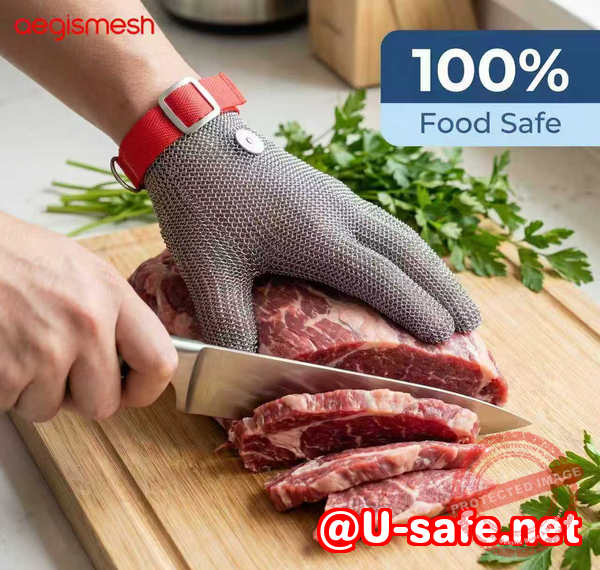
Many buyers struggle to tell the difference between genuine, high-quality chainmail and low-grade, decorative imitations. I’ve been there myself, trying to make sure my choice of chainmail offers real protection, not just a shiny appearance. In this article, I’ll walk you through how to assess the quality of chainmail, so you can avoid common pitfalls and make an informed purchase that will truly stand up to the task.
Evaluating Chainmail: Common Challenges and How to Solve Them
When it comes to selecting chainmail, it’s easy to fall into the trap of assuming all products are created equal. But not all chainmail is made for safety. I often see three major pain points when evaluating chainmail, whether you’re buying for industrial use, cosplay, or as a collector’s item:
-
Distinguishing Welded Rings from Open Rings: Not all rings are welded shut, and open rings can weaken the overall structure of the chainmail.
-
Choosing the Right Stainless Steel: With different grades like 304 and 316 stainless steel, it can be hard to know which will stand up to corrosion and wear, especially in a demanding environment like a processing plant.
-
Evaluating Weave Patterns: Some weaves, like the European 4-in-1, are better suited for durability and protection than others.
So, how do you make sure you’re choosing high-quality chainmail that will last and keep you safe? Below, I’ll guide you step-by-step through the key inspection areas you need to focus on when purchasing chainmail.
How to Inspect and Verify Chainmail Quality
1. Check the Material Type: Stainless Steel Grades 304 vs. 316
The first thing to examine is the material itself. Not all stainless steel is the same, and it’s important to choose the right type for the job. The two most common grades of stainless steel used in chainmail are 304 and 316.
-
304 Stainless Steel: This is the most common grade used in chainmail and offers good resistance to corrosion in many environments. However, it’s more susceptible to rust in harsh conditions, such as exposure to high salt or acidic environments.
-
316 Stainless Steel: This grade offers superior corrosion resistance and is ideal for more demanding environments, like food processing plants or places where chainmail will come into contact with harsh chemicals or moisture. It’s a bit pricier, but it’s worth the investment if you need long-term durability.
2. Inspect the Rings: Welded or Open?
A crucial step in evaluating chainmail quality is checking whether the rings are welded or open. This is often where a lot of chainmail purchases go wrong. While open rings are easier to produce and cheaper, they significantly reduce the durability of the chainmail.
-
Welded Rings: These rings are fused shut, making them much more secure and stronger. This is a must for protective gear. If you look closely, the welding should be smooth with no gaps, ensuring that the rings won’t pull apart under stress.
-
Open Rings: While open rings might look similar to welded ones at first glance, they are far less secure. They can easily separate over time, which compromises the chainmail’s protective function. Always check the inside of the ring for signs of welding.
3. Wire Thickness and Inner Diameter
Next, you should pay attention to the wire thickness and inner diameter of the rings. A thicker wire and smaller inner diameter will give the chainmail better resistance to abrasion and tearing. If the rings are too large or the wire is too thin, the chainmail won’t perform well in industrial or protective environments.
-
Wire Thickness: Look for chainmail with a wire diameter of at least 1mm or thicker. Thicker wire adds to the durability and overall strength of the chainmail.
-
Inner Diameter: The inner diameter of the rings should be small enough to provide a tight, secure weave but not so small that it compromises flexibility or comfort.
4. Examine the Weave Pattern
One of the defining features of chainmail is its weave pattern. The most common weave pattern used in high-quality chainmail is European 4-in-1. This weave features four rings connected to a single ring, forming a stable and durable structure.
If you’re purchasing chainmail for industrial use, it’s critical that the weave pattern offers strength and flexibility. Weave patterns like European 4-in-1 provide the best protection by ensuring that the chainmail holds together even under pressure. Other weaves may look attractive but won’t offer the same level of protection.
Why Chainmail Inspection Matters
By properly inspecting chainmail, you can ensure that it’s safe and durable for your intended use. Here’s why taking the time to inspect chainmail is so important:
-
Avoiding Unsafe Chainmail: Chainmail used in industrial settings or food processing needs to meet strict safety standards. Low-quality chainmail might break or fail to provide adequate protection.
-
Ensuring Long-Lasting Durability: Proper inspection helps you avoid purchasing flimsy chainmail that will degrade after a few uses.
-
Saving Money: It’s better to invest in high-quality chainmail upfront than to buy cheap chainmail that will need replacing in the near future. Plus, lower-quality chainmail can be unsafe, which could cost you even more in the long run.
Simple Tips for Verifying Quality
Here are some quick tips you can follow to test the quality of chainmail before you buy:
-
Pull Test: Gently pull on a few rings to see if they separate. If they do, the chainmail isn’t strong enough.
-
Corrosion Check: If you spot any signs of rust or corrosion on the chainmail, it’s a red flag. Properly made chainmail should resist corrosion, especially if it’s made of 316 stainless steel.
-
Check the Finish: High-quality chainmail should have smooth, uniform rings with no sharp edges that could cause injury.
Conclusion: Quality Chainmail for Safety and Durability
Choosing the right chainmail can be a challenge, but with the right knowledge and inspection techniques, you can easily avoid low-quality and unsafe products. By following the steps I’ve outlinedchecking the material, inspecting the rings, and evaluating the weaveyou can ensure that your chainmail purchase meets all safety and durability standards.
I highly recommend following these steps to make sure your chainmail will stand up to the demands of your work or hobby. Whether you’re using it for industrial safety, food processing, or cosplay, investing in high-quality chainmail will give you peace of mind and save you from costly mistakes down the line.
Learn more about identifying high-quality chainmail products: Aegimesh Chainmail Guide.
Preguntas frecuentes
-
How can I tell if a chainmail ring is welded or open?
-
Check for any gaps in the ring. Welded rings should have a smooth, seamless connection. Open rings will have an obvious separation.
-
-
Which stainless steel grade is best for long-lasting chainmail?
-
For general use, 304 stainless steel is fine, but for environments with high exposure to moisture or chemicals, 316 stainless steel is more durable.
-
-
How do I inspect the weave pattern for strength?
-
The European 4-in-1 weave is the most durable. Look for rings that are tightly woven together and feel sturdy when pulled.
-
-
What are the signs of low-quality or unsafe chainmail?
-
Signs include rust, loose rings, thin wire, and gaps in the weave.
-
-
Can decorative chainmail be used for protective purposes?
-
Decorative chainmail is typically not designed for protection. It’s best used for display or cosplay.
-
-
How do I choose the right chainmail for industrial vs cosplay use?
-
For industrial use, focus on 316 stainless steel with welded rings and a tight weave. For cosplay, 304 stainless steel with a looser weave may be acceptable, depending on your needs.
-
-
What should I do if my chainmail seems too weak?
-
If you notice any signs of weakness (e.g., rings separating), it’s better to replace it before it fails during use.
-




 한국어
한국어  Русский
  Deutsch
  العربية