


Steel Metal Chainmail in High-Volume Production Facilities
Steel Metal Chainmail in High-Volume Production Facilities
When you’re in the market for high-quality chainmail, whether for industrial protection or cosplay, it can be difficult to know what you’re actually getting. With so many variations and grades of chainmail on the market, how can you ensure that the product you’re purchasing is up to the task? How do you avoid wasting money on a low-quality imitation that could be dangerous for professional use or disappointing for your collection?
In this article, I’ll walk you through some of the most common issues people face when buying chainmail, and I’ll provide you with a step-by-step guide to help you evaluate the quality of any chainmail product you’re considering. By the end, you’ll have a much clearer idea of what to look for, whether you’re a buyer, collector, or industrial user. Let’s dive into the world of chainmail quality and discover how to ensure you’re investing in a durable, safe, and well-made product.
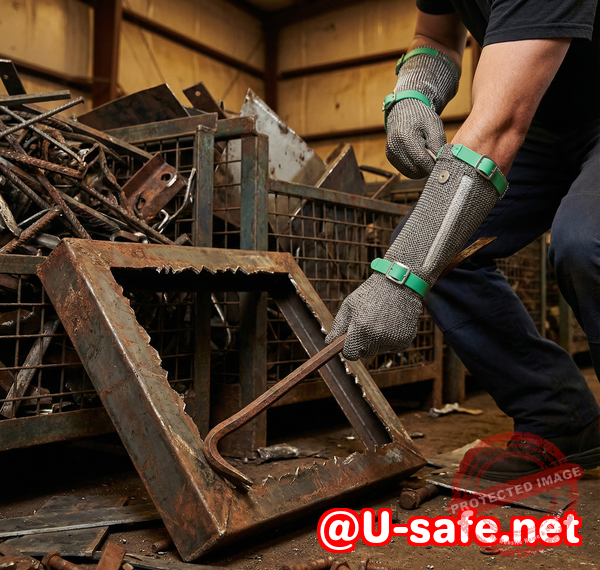
Understanding the Challenges: What to Look For in High-Quality Chainmail
When it comes to evaluating the quality of chainmail, there are a few common challenges that many buyers face. Let’s take a look at some of these issues and how to avoid them.
1. Distinguishing Between Welded and Open Rings
One of the most significant issues when evaluating chainmail is determining whether the rings are welded or open. Open rings are typically less durable and more prone to coming apart over time, especially under stress. Welded rings, on the other hand, provide much greater strength and durability. This is particularly important for applications like industrial cut protection or food processing, where safety is a concern.
A simple way to test this is to look closely at the rings. Welded rings will show a small seam where the two ends of the wire have been fused together. Open rings, by contrast, will have a gap. If you pull the rings apart, welded rings will stay intact, while open rings may separate.
2. Understanding Stainless Steel Grades
Not all stainless steel is created equal. Two of the most commonly used grades in chainmail are 304 and 316 stainless steel, but they have different properties.
-
304 Stainless Steel is resistant to corrosion in many environments but may not stand up as well to harsh conditions like exposure to saltwater or industrial chemicals.
-
316 Stainless Steel is highly resistant to corrosion, particularly in marine and food-processing environments, making it ideal for high-exposure settings.
If you’re buying chainmail for industrial use, such as in food processing or healthcare, it’s essential to opt for 316 stainless steel. For more decorative or cosplay purposes, 304 stainless steel is often sufficient.
3. Inconsistent or Weak Weaves
Another common issue with low-quality chainmail is weak or inconsistent weaves. When inspecting chainmail, pay attention to the pattern. The most common and strongest weave is the European 4-in-1 pattern, where each ring passes through four others. This type of weave provides strength and stability. If the rings are not woven tightly or if the weave pattern is inconsistent, the chainmail may not provide the level of durability you need, especially in high-stress situations.
A good rule of thumb: If the weave looks uneven or the rings feel loose, it’s a sign that the chainmail might not be made to last.
How to Inspect and Verify Chainmail Quality
Now that we’ve covered some of the common challenges in evaluating chainmail, let’s go over how to inspect a product to ensure it meets your standards. These steps can be applied whether you’re buying chainmail for industrial purposes, cosplay, or historical reenactments.
1. Material Check: Stainless Steel Grade
Start by confirming the material. For most applications, you’ll want to make sure the chainmail is made from stainless steel, as it resists corrosion and offers durability. As mentioned earlier, if you plan on using the chainmail in a high-exposure environment (like food processing), 316 stainless steel is the better option. If you need something more affordable and the environment is not as harsh, 304 stainless steel should suffice.
2. Examine the Rings
Next, closely inspect the rings to check whether they are welded or open. You can do this by gently pulling at the rings or looking for the welded seam. Welded rings are much more durable than open ones. If you find open rings, consider it a red flag, especially for safety-critical uses like industrial protection.
3. Evaluate Wire Thickness and Ring Diameter
The thickness of the wire and the diameter of the rings also affect the overall durability of the chainmail. Too thin, and the chainmail may be easily torn or damaged under stress. Too thick, and it may become bulky and less flexible.
To assess wire thickness, look for chainmail that uses a consistent gauge of wire throughout the piece. As for ring diameter, make sure the rings are not too wide or too tight. An appropriate balance between wire thickness and ring diameter will ensure both flexibility and durability.
4. Inspect the Weave Pattern
If you’re buying chainmail for historical reenactments or cosplay, the weave pattern is an important consideration. The European 4-in-1 weave is the most common and strongest pattern. It’s what you should look for in high-quality chainmail, as it provides the best combination of flexibility and strength. If you see a pattern that looks haphazard or inconsistent, it’s a red flag.
5. Conduct a Pull Test
One of the simplest tests you can do to check the strength of chainmail is a pull test. Gently tug on the rings to see if they hold firm. If they come apart easily, the quality is likely subpar. High-quality chainmail should be resistant to pull, showing no signs of the rings separating or distorting.
6. Check for Corrosion or Other Damage
Corrosion can be a big issue, especially in environments where chainmail is exposed to moisture, food, or chemicals. Check for any signs of rust or corrosion, particularly at the welds. If you find any, it’s an indication that the chainmail is not made from high-quality stainless steel or has not been properly treated for durability.
Why Chainmail Quality Matters
Whether you’re using chainmail for industrial applications, historical reenactments, cosplay, or as a collectible item, understanding its quality can save you time, money, and frustration. Here are just a few reasons why it’s important to evaluate chainmail properly:
Avoid Unsafe Chainmail for Industrial Use
If you’re purchasing chainmail for industrial use, such as food handling or cut protection, it’s essential to ensure the material is strong, durable, and resistant to corrosion. Poor-quality chainmail may fail when exposed to harsh conditions, putting your safety at risk.
Ensure Durability for Cosplay and Decorative Uses
For collectors or cosplayers, choosing the right chainmail can ensure your investment lasts for years. High-quality chainmail holds its shape, resists wear, and stays looking great for display or wear at events.
Save Money by Avoiding Low-Quality Purchases
One of the most frustrating things is buying chainmail that doesn’t meet your expectations. Whether it’s falling apart after a few uses or corroding faster than you’d like, low-quality products will end up costing you more in the long run. By evaluating chainmail properly upfront, you can avoid wasting money on products that don’t meet your needs.
Conclusion: Your Next Steps for Chainmail Quality
By following these simple inspection methods, you can confidently evaluate the quality of any chainmail product. Whether you’re purchasing it for industrial use, cosplay, or as part of a collection, taking the time to inspect the material, rings, weave pattern, and other quality indicators will ensure that your chainmail meets the standards you require.
I highly recommend following these steps when purchasing chainmail, as it will help you avoid unsafe or low-quality products and ensure you’re getting something durable and reliable. To learn more about how to identify high-quality chainmail products, check out our detailed inspection guide at Aegimesh Chainmail.
FAQ
-
How can I tell if a chainmail ring is welded or open?
Check for a seam where the wire has been fused together. Welded rings will have a small, smooth seam, while open rings will have a visible gap.
-
Which stainless steel grade is best for long-lasting chainmail?
For long-lasting durability, especially in high-exposure environments, 316 stainless steel is the best choice. For less demanding applications, 304 stainless steel works well.
-
How do I inspect the weave pattern for strength?
Look for an even, consistent pattern like the European 4-in-1 weave. This is the strongest and most common weave in high-quality chainmail.
-
What are the signs of low-quality or unsafe chainmail?
Signs include loose rings, inconsistent weave patterns, poor-quality welding, or corrosion. If the chainmail feels flimsy or weak, it’s probably low quality.
-
Can decorative chainmail be used for protective purposes?
Decorative chainmail may not be as durable or safe for protection as high-quality industrial chainmail. Always check the material and weave before using it for protective purposes.
-
How do I choose the right chainmail for industrial vs cosplay use?
For industrial use, prioritize strength, durability, and corrosion resistance (choose 316 stainless steel). For cosplay, focus on design, flexibility, and appearance, as durability may be less critical.




 한국어
한국어  Русский
  Deutsch
  العربية