


Steel Metal Chainmail in Hazardous Work Conditions
Steel Metal Chainmail in Hazardous Work Conditions
When it comes to choosing chainmail for safety, durability, or display, it can be overwhelming to know where to start. Whether you’re buying for industrial use, cosplay, or just as a collector, finding high-quality chainmail is crucial to ensuring both safety and longevity. As someone who’s been in the industry for a while, I’ve seen my fair share of poorly made chainmail that simply can’t stand up to the task. The truth is, not all chainmail is created equal, and there are key features that can make or break its quality.
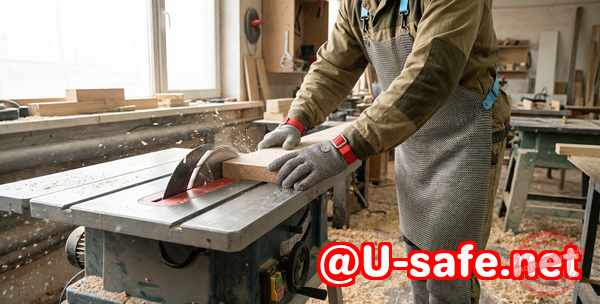
If you’ve ever felt unsure about how to evaluate chainmail before making a purchase, you’re not alone. I’ve often heard buyers say, “I can’t tell if it’s good quality or just another cheap imitation.” This article will give you the tools to confidently distinguish high-quality chainmail from low-quality knockoffs, helping you make smarter buying decisions for industrial protection, cosplay, or decorative pieces.
Common Problems in Evaluating Chainmail Quality
Before diving into the inspection process, it’s important to understand the typical issues that people face when evaluating chainmail:
-
Welded vs. Open Rings: One of the most common mistakes I’ve encountered is people buying chainmail with open rings instead of welded rings. Open rings might look similar at first glance, but they’re much weaker and prone to falling apart over time. For industrial and protective uses, welded rings are essential.
-
Corrosion Resistance and Stainless Steel Grades: Another headache is not knowing which grade of stainless steel is best suited for different environments. Aegimesh offers two key stainless steel grades: 304 and 316. While 304 is durable, 316 offers better corrosion resistance, making it ideal for harsh, wet, or corrosive environments.
-
Weak Weaves: Sometimes, the way the chainmail is woven can be the deciding factor in its durability. A weak weave compromises the strength of the chainmail, making it less reliable in high-stress situations, such as food processing or protective gear in hazardous jobs.
Aegimesh Chainmail products are designed with these challenges in mind, providing solutions that will keep you safe and ensure that your investment lasts for years to come. Now, let’s break down how to properly evaluate chainmail, so you can confidently assess any product before buying.
How to Inspect Chainmail for Quality
1. Material Type: 304 vs. 316 Stainless Steel
The first thing I recommend when evaluating chainmail is checking the material it’s made from. Stainless steel is the most common material used for durable chainmail, but not all stainless steel is created equal. You’ll often see 304 stainless steel, but for environments with moisture or risk of corrosion, 316 stainless steel is the better choice.
-
304 Stainless Steel: Generally more affordable, it’s suitable for dry environments where the chainmail won’t be exposed to moisture or salt.
-
316 Stainless Steel: This is the top choice for environments exposed to water, chemicals, or salt, such as in food processing, industrial work, or wet conditions. It has superior corrosion resistance and can stand up to harsher conditions without rusting.
2. Welded Rings vs. Open Rings
The next step is to check whether the rings are welded or open. This can be tricky to spot, but it’s one of the most critical factors in determining the strength and longevity of your chainmail.
-
Welded Rings: These are rings that are securely welded together, ensuring that the chainmail stays intact and durable. They are the ideal choice for industrial or protective uses.
-
Open Rings: These rings are not welded, which makes them much weaker and prone to disintegration. They might be fine for cosplay or display pieces but not suitable for protection or heavy use.
A simple way to test this is by gently pulling at the rings. Welded rings will stay secure, while open rings may shift or even come apart.
3. Ring Thickness and Inner Diameter
The next thing to inspect is the thickness of the wire and the inner diameter of each ring. Thicker wires and a smaller inner diameter can help improve the strength of the chainmail.
-
Wire Thickness: Thicker wires make the rings stronger and less likely to break under stress.
-
Inner Diameter: If the inner diameter of the rings is too large, the chainmail will become less flexible and could break or tear under pressure. For a balanced, durable weave, look for a standard diameter that suits the intended use.
4. Weave Patterns: European 4-in-1 for Strength
Weave patterns play a huge role in the overall strength of chainmail. A common weave used in high-quality chainmail is the European 4-in-1 weave. This weave pattern provides excellent durability and flexibility, ensuring the chainmail can handle a significant amount of force without breaking.
When inspecting the weave, check that it is tight and uniform. If the rings are too loose or the pattern is inconsistent, the chainmail may not be as durable as it should be.
5. Performing a Pull Test
One of the best ways to test the quality of chainmail is by performing a simple pull test. Here’s how you can do it:
-
Grab a small section of the chainmail and gently pull at the rings.
-
If the rings stay intact and don’t loosen, you’ve got a high-quality product.
-
If the rings start to shift or break apart, that’s a clear sign of low-quality chainmail.
This test is particularly useful for inspecting chainmail intended for protective or industrial use, as you need it to hold up under stress.
6. Identifying Signs of Corrosion or Poor Craftsmanship
In addition to checking the material and structure, it’s also important to look for signs of wear or corrosion. Even the highest-quality chainmail can be ruined if not cared for properly. Check for any rust, discoloration, or inconsistent welds that could suggest poor craftsmanship.
7. Determining the Right Chainmail for Your Needs
Finally, you need to consider what you’ll be using the chainmail for. Chainmail used for food handling or industrial cut protection should meet specific durability standards, while cosplay or decorative chainmail might not need to be as strong.
-
For Industrial Use: Always opt for welded rings made from 316 stainless steel with a tight, durable weave pattern like European 4-in-1.
-
For Cosplay or Decorative Uses: Open rings or lower-grade stainless steel might be sufficient, but it’s still important to ensure that the rings are properly made and securely joined.
Conclusion: How to Avoid Costly Mistakes
By following these steps to evaluate chainmail quality, you’ll be able to make more informed decisions and avoid wasting money on products that won’t meet your needs. I highly recommend checking for welded rings, examining the material grade, and performing a pull test to ensure you’re buying chainmail that’s built to last. And if you’re ever unsure, Aegimesh offers a detailed guide to help you make the right choice.
To learn more about identifying high-quality chainmail, check out our detailed chainmail inspection guide today!
Frequently Asked Questions
-
How can I tell if a chainmail ring is welded or open?
-
Gently pull at the rings. Welded rings will stay secure, while open rings may come apart.
-
-
Which stainless steel grade is best for long-lasting chainmail?
-
316 stainless steel is best for environments exposed to moisture or chemicals, while 304 is suitable for drier conditions.
-
-
How do I inspect the weave pattern for strength?
-
Look for uniform, tightly woven rings in patterns like European 4-in-1, which ensures durability.
-
-
What are the signs of low-quality or unsafe chainmail?
-
Signs include rust, loose rings, uneven welding, and a weak or inconsistent weave.
-
-
Can decorative chainmail be used for protective purposes?
-
It depends on the quality. Decorative chainmail made with open rings or low-quality materials won’t offer the same protection as industrial-grade chainmail.
-
-
How do I choose the right chainmail for industrial vs cosplay use?
-
For industrial use, choose welded rings made from 316 stainless steel with a strong weave. For cosplay, open rings and lower-grade stainless steel might suffice for appearance but won’t offer protection.
-
Keywords: chainmail quality, welded rings, stainless steel chainmail, cut-resistant chainmail, chainmail inspection, European 4-in-1 weave, chainmail durability.




 한국어
한국어  Русский
  Deutsch
  العربية