


Steel Metal Chainmail for Worker Hand Protection
Steel Metal Chainmail for Worker Hand Protection: A Complete Guide to Identifying High-Quality Chainmail
When purchasing chainmail for protection, especially in industrial or food-processing environments, it’s easy to feel overwhelmed. You might find yourself standing in front of a collection of products, unsure which ones truly offer the durability and safety you need. “Is this chainmail genuinely cut-resistant?” “How do I know if this is safe for food handling?” These are the common questions that buyers face when evaluating chainmail for its quality and suitability.
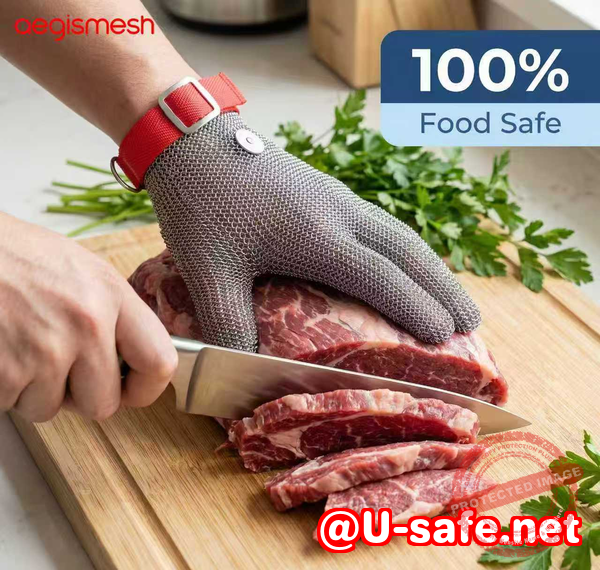
As someone who’s spent years in the industry, I’ve had my own share of doubts and missteps. But with the right inspection techniques, I learned how to spot the high-quality products that not only deliver on their promises but also offer peace of mind. Whether you’re a buyer, collector, or professional, this guide will help you navigate the world of chainmail products and ensure your purchase is the right one.
The Importance of High-Quality Chainmail
In the world of chainmail, not all products are created equal. While it might seem like all chainmail is similar, there are subtle differences that can have a huge impact on performance and safety. High-quality chainmail, especially for worker hand protection, can protect against cuts, abrasions, and other industrial hazards. Whether you’re looking for industrial-grade protective gear, cosplay pieces, or historical replicas, understanding how to identify genuine, top-tier chainmail is essential.
Let’s dive into the most common pain points people face when evaluating chainmail and how to make sure you’re getting the best quality.
Common Chainmail Problems and How to Solve Them
1. The Ring Debate: Welded vs. Open Rings
One of the first hurdles you might face is distinguishing between welded and open rings. Open rings are prone to separating, which compromises the overall integrity of the chainmail. Welded rings, on the other hand, are much stronger, providing more reliable protection.
To check if a ring is welded or open, simply inspect the joints. If you can see a gap or the ring feels loose, it’s likely open. This is one of the easiest checks you can do to ensure that the chainmail you’re buying is truly durable.
2. The Stainless Steel Grade Confusion
Not all stainless steel is made the same. In chainmail, the two most common grades you’ll encounter are 304 and 316 stainless steel. While both are highly resistant to corrosion, 316 stainless steel is the more durable option, especially in harsh environments like food processing.
To identify the grade, look at the material description or ask the manufacturer. In some cases, you might also notice a subtle difference in weight316 is typically heavier due to the addition of molybdenum, which gives it extra strength.
3. Weak or Inconsistent Weave Patterns
The strength of chainmail also depends on the weave pattern. European 4-in-1 is a popular and strong weave used in many high-quality chainmail products. If the weave looks uneven or the rings are not tightly interlocked, it’s a sign of poor craftsmanship.
I highly recommend inspecting the weave carefully. Run your fingers through itany loose or missing links should raise a red flag.
How to Inspect Chainmail for Quality
Now that we’ve covered some of the common problems, let’s break down how to inspect chainmail in a way that ensures you’re getting the quality and durability you need. The following inspection techniques are simple but incredibly effective.
1. Material Type
As mentioned earlier, the material plays a huge role in durability. If you’re looking for something for industrial use, like hand protection for workers, aim for 316 stainless steel. It’s more resistant to corrosion and wear, making it ideal for heavy-duty applications. On the other hand, if you’re purchasing chainmail for decorative purposes or cosplay, 304 stainless steel is perfectly fine.
2. Inspecting the Rings
-
Ring Welding: Look closely at the rings. Are they tightly welded, or do they show signs of separation? If they’re welded, the weld should be smooth and even.
-
Wire Thickness: A thicker wire will make the chainmail more durable and resistant to cutting. Check the gauge of the wire used in the rings; thinner wires often mean weaker chainmail.
-
Ring Diameter: The size of the rings also affects the chainmail’s strength. If the rings are too large, the chainmail will be more flexible, but it may not offer as much protection. Smaller rings tend to be more rigid, providing better cut resistance.
3. Weave Pattern
The European 4-in-1 weave is a good rule of thumb for strength. This particular pattern uses four rings interlocked around one central ring, creating a tight and durable structure. If the weave looks irregular, it’s a sign that the chainmail was poorly crafted. A solid, uniform weave is essential for ensuring the chainmail holds up under pressure.
4. Pull Test
To check the strength of the chainmail, perform a simple pull test. Grab a section of the chainmail and pull it in opposite directions. It should resist the force without showing signs of separation or breakage. If it comes apart easily, it’s likely made of low-quality materials or construction.
Benefits of Proper Chainmail Inspection
By inspecting chainmail thoroughly, you not only ensure safety but also save money in the long run. Here’s how:
-
Avoid Unsafe Chainmail: Industrial workers or anyone handling food needs to ensure that their chainmail is up to safety standards. A low-quality product could fail to protect against cuts or corrosion, leading to injury or contamination.
-
Ensure Durability: Whether you’re wearing chainmail for protection or using it for a historical display, durability is crucial. High-quality chainmail will stand the test of time, while cheap alternatives will break down quickly.
-
Save Money: Identifying low-quality products early on means you don’t waste money on something that won’t perform. It’s better to spend a little more upfront for something that will last longer and do its job properly.
Conclusion: Your Next Steps for a Safe and Durable Purchase
After reading this guide, you should have a clearer idea of how to inspect chainmail and identify products that meet safety and durability standards. When buying chainmail, remember to:
-
Look for welded rings, especially for protective use.
-
Choose stainless steel grades (304 or 316) based on your needs.
-
Inspect the weave and wire thickness to ensure strength.
-
Perform a pull test to verify the product’s reliability.
I highly recommend following these steps when purchasing chainmail for any purposewhether it’s for industrial use, food handling, cosplay, or collectibles. By doing so, you can avoid costly mistakes and ensure you’re getting the best quality for your money.
For more information, check out our detailed chainmail inspection guide today: Aegimesh Chainmail Guide.
Preguntas frecuentes
How can I tell if a chainmail ring is welded or open?
Check the joint of the ring. A welded ring will have a smooth, even seam with no visible gap, while an open ring may have a small separation where the ends meet.
Which stainless steel grade is best for long-lasting chainmail?
For industrial use and corrosion resistance, 316 stainless steel is your best bet. It’s more durable and resistant to rust than 304 steel, making it ideal for harsh environments.
How do I inspect the weave pattern for strength?
Look for a tight, uniform weave. The European 4-in-1 pattern is a good indicator of strength, where four rings are interlocked around one central ring.
What are the signs of low-quality or unsafe chainmail?
Signs include loose or open rings, an uneven weave, thin wire, or rust spots. These issues can compromise the strength and safety of the chainmail.
Can decorative chainmail be used for protective purposes?
Not all decorative chainmail is suitable for protection. If you need chainmail for safety, ensure it’s made with welded rings, thicker wire, and the appropriate stainless steel grade.
How do I choose the right chainmail for industrial vs. cosplay use?
For industrial use, focus on strength and corrosion resistance (choose 316 stainless steel and thick wire). For cosplay, you can opt for lighter, less durable chainmail made with 304 stainless steel, but make sure the weave is tight and well-constructed.
Tags or Keywords:
-
chainmail quality, welded rings, stainless steel chainmail, cut-resistant chainmail, chainmail inspection, European 4-in-1 weave, chainmail durability




 한국어
한국어  Русский
  Deutsch
  العربية