


Steel Metal Chainmail for Professional Safety Gear
Steel Metal Chainmail for Professional Safety Gear
When it comes to safety, durability, and protection, chainmail has stood the test of time. But whether you’re looking for professional-grade protection or a decorative piece for cosplay, knowing how to evaluate the quality of chainmail is crucial. As someone who has spent a considerable amount of time researching and using chainmail, I’ve learned the importance of distinguishing high-quality products from low-quality or even unsafe imitations. If you’re tired of guessing which chainmail products offer true value and protection, you’re in the right place.
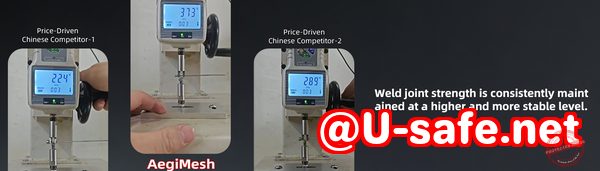
I’ll walk you through the steps you need to take to evaluate the quality of chainmail products effectively. This guide will cover everything from ring construction to weave patterns, ensuring you can make an informed decision about your purchase, whether it’s for industrial safety, food processing, or simply for a cosplay event.
Common Problems Buyers Face When Evaluating Chainmail
When you start browsing for chainmail products, the sheer number of choices can be overwhelming. For someone who’s not an expert, it’s easy to make a mistake and end up with a product that’s either unsafe or poorly made. Here are a few common problems buyers face when evaluating chainmail:
-
Welded Rings vs. Open Rings: Not all chainmail rings are created equal. Some are welded shut, while others are simply butted together. Butted rings are weaker and prone to coming apart, which compromises safety and durability.
-
Confusion Over Stainless Steel Grades: You might find two products that look identical, but they’re made from different types of stainless steel. The grade of steel used makes a huge difference in durability, corrosion resistance, and overall performance.
-
Inconsistent Weaves and Weakness: The weave pattern plays a huge role in how strong and durable the chainmail is. If the weave is inconsistent or poorly done, the overall structure will be weaker, and the product could fail under pressure.
I’ve seen many buyers who end up with lower-quality chainmail because they didn’t know what to look for. I’m here to change that.
Understanding the Basics: Key Features to Look For
At the heart of any good chainmail is the material, construction, and weave. Let’s break these down so you can begin inspecting products like a pro.
1. Material Quality: Stainless Steel Grades Matter
When evaluating chainmail, the first thing you want to focus on is the material. Chainmail is typically made from stainless steel, which is known for its strength and resistance to rust. But not all stainless steel is the same.
-
304 Stainless Steel: This is the most common type used in chainmail. It’s durable, but it can corrode over time, especially if exposed to harsh conditions like saltwater or acidic environments.
-
316 Stainless Steel: If you’re looking for a higher grade of chainmail that will last longer and resist corrosion better, go with 316 stainless steel. This is particularly important for industrial or food-processing environments, where chainmail is regularly exposed to harsh substances.
So, how do you know which grade of stainless steel you’re dealing with? Typically, high-quality chainmail products will clearly state the material used in their descriptions. If you’re unsure, don’t hesitate to ask the seller or manufacturer.
2. Welded vs. Open Rings: Don’t Settle for Butted Rings
The rings used in chainmail are the foundation of its strength. There are two primary types of rings:
-
Welded Rings: These rings are permanently fused together, making them much stronger and more reliable. They are the best choice for safety-critical applications like industrial protection or food handling.
-
Open (Butted) Rings: These rings are simply bent into shape and then pressed together, which makes them weaker. While they can work for decorative or cosplay purposes, they are unsuitable for protection.
One of the easiest ways to check whether a chainmail product uses welded or butted rings is to look closely at the rings themselves. Welded rings will have a small visible seam where they’ve been fused, while butted rings will have a gap between the two ends.
3. Weave Patterns: The Strength Behind the Structure
Another critical aspect of chainmail quality is the weave pattern. The most common weave pattern you’ll find is European 4-in-1, which means each ring is connected to four others in a specific pattern. This weave is strong and provides a good balance between flexibility and protection.
There are other types of weaves like 4-in-2 and 6-in-1, which may be stronger but less flexible. When inspecting a chainmail product, take a look at the pattern. If the weave is inconsistent or sloppy, it’s a sign of poor craftsmanship, and the product may not be durable enough for its intended use.
4. Wire Thickness and Ring Diameter
In addition to the material and weave, you’ll want to evaluate the wire thickness and the ring diameter. Thicker wire and larger rings generally mean stronger chainmail, but you’ll want to strike a balance. If the wire is too thick, the chainmail might be uncomfortable or too heavy to wear. Too thin, and it might not provide the protection you need.
How to Inspect Chainmail: Step-by-Step
Now that we’ve covered the basics, let’s dive into the actual inspection process. Here’s a simple, step-by-step guide to ensure you’re buying high-quality chainmail:
-
Check the Material: Start by confirming the type of stainless steel used. If it’s not specified, ask the seller. For industrial use, 316 stainless steel is the best choice.
-
Inspect the Rings: Look for welded rings. If the rings are open (butted), it’s a red flag for anything other than decorative use. Even better, give the chainmail a tug to see if any rings come apartthis will give you an idea of the durability.
-
Evaluate the Weave: Check the pattern to ensure it’s consistent. A proper European 4-in-1 weave should be even throughout the product. If you notice irregularities, the chainmail is likely poorly made.
-
Perform the Pull Test: To test the durability, grab a small section of chainmail and apply some force by pulling in opposite directions. If the weave holds tight and no rings break, it’s a good sign. If the rings start to come apart, move on to another product.
-
Examine for Corrosion: Especially for products that will be exposed to moisture, check for any signs of corrosion. Even small rust spots can indicate low-quality material or poor finishing.
Benefits of Proper Chainmail Inspection
By following these inspection methods, you’ll ensure your chainmail is both safe and durable. Here are some of the benefits of properly evaluating your purchase:
-
Safety: Avoid purchasing chainmail that is too weak for its intended use, particularly for industrial or food-processing environments where protection is critical.
-
Durability: High-quality chainmail will last longer and provide better protection. You won’t have to worry about it falling apart after just a few uses.
-
Cost Savings: Buying high-quality chainmail upfront saves you money in the long run, as you won’t have to replace cheap, low-quality pieces.
-
Peace of Mind: Whether you’re using it for cosplay, historical replicas, or industrial safety, knowing your chainmail is well-made gives you confidence that it will do its job.
Conclusion: Get the Right Chainmail for Your Needs
When buying chainmail, remember: not all products are created equal. Always check the material, rings, weave pattern, and other features before making a purchase. By following these inspection steps, you’ll avoid wasting money on low-quality chainmail and ensure you’re getting a product that meets safety and durability standards.
I highly recommend following these steps to ensure any chainmail purchase meets your expectations. Whether you’re a buyer, a collector, or a professional in need of reliable protection, taking the time to inspect your chainmail will ensure that it’s not only safe but also long-lasting.
For more information on how to identify high-quality chainmail products, visit our full guide on Aegimesh Chainmail at Aegimesh.
Preguntas frecuentes
-
How can I tell if a chainmail ring is welded or open?
Look for a visible seam on welded rings. Open rings will have a noticeable gap where the ends meet.
-
Which stainless steel grade is best for long-lasting chainmail?
316 stainless steel is the best for durability and corrosion resistance, especially for industrial use.
-
How do I inspect the weave pattern for strength?
A proper European 4-in-1 weave should be even throughout. Look for consistency in the pattern and avoid irregularities.
-
What are the signs of low-quality or unsafe chainmail?
Signs include poorly welded rings, inconsistent weaves, corrosion, and overly thin or weak wire.
-
Can decorative chainmail be used for protective purposes?
Decorative chainmail, especially with open (butted) rings, is not suitable for protection. It is best used for cosplay or display.
-
How do I choose the right chainmail for industrial vs cosplay use?
For industrial use, look for welded rings and 316 stainless steel. For cosplay, you can go for lighter, more decorative options with open rings.
Tags/Keywords: chainmail quality, welded rings, stainless steel chainmail, cut-resistant chainmail, chainmail inspection, European 4-in-1 weave, chainmail durability




 한국어
한국어  Русский
  Deutsch
  العربية